Follow Us on Google
The federal government has explained the hardship Nigerians are facing, pointing to global disruptions, including ongoing international conflicts, trade tensions, rising energy costs, and higher prices for agricultural inputs such as fertilizer, as causes.
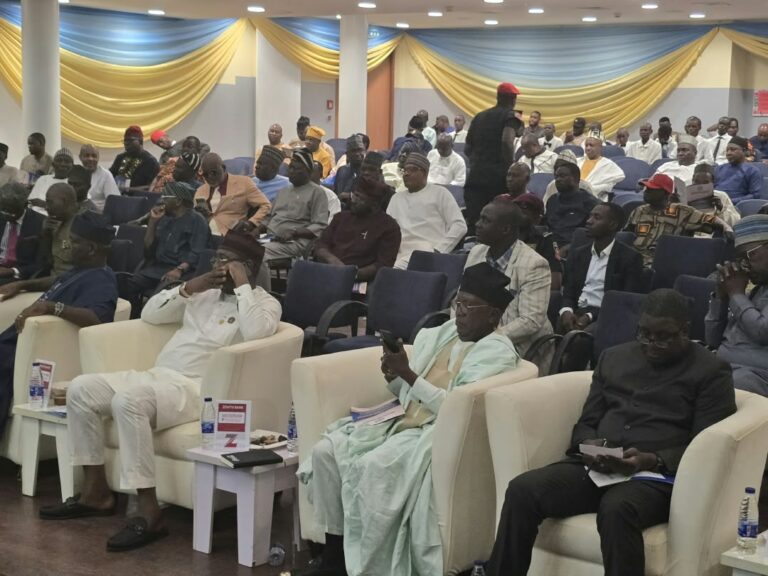
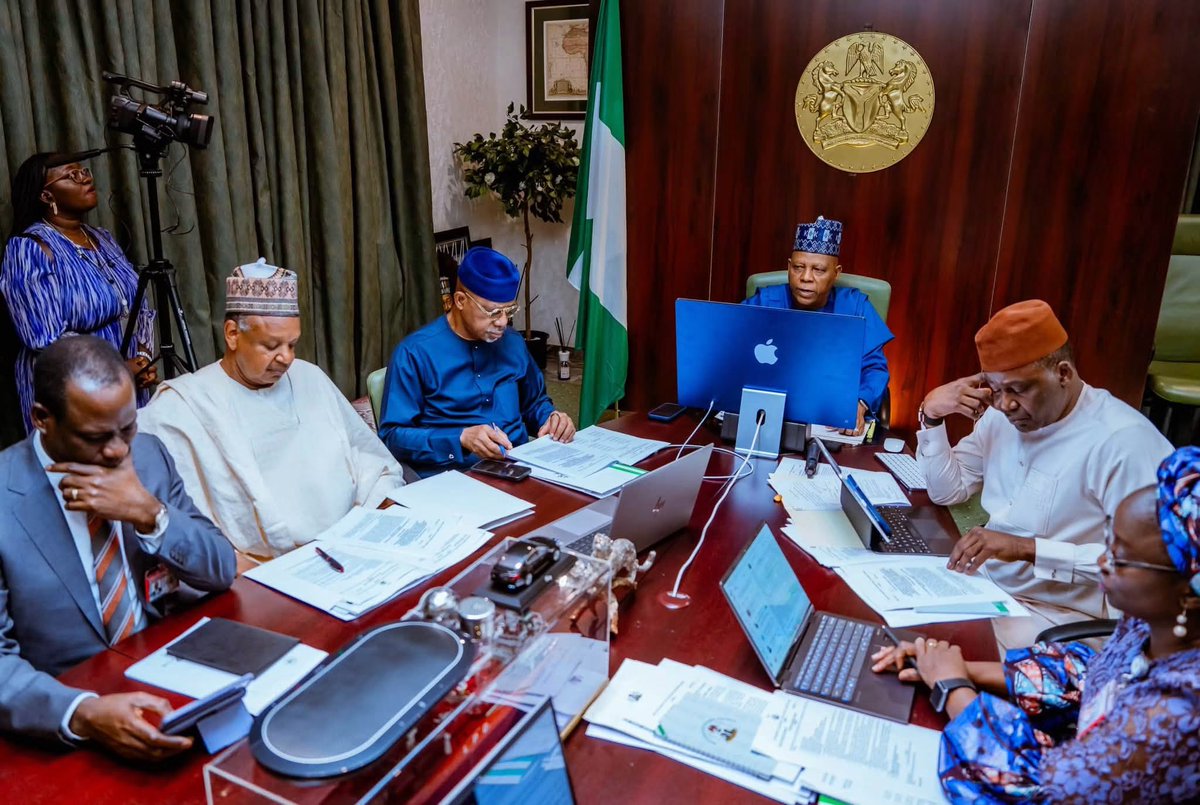
Speaking at the Catholic Relief Services (CRS) Nigeria Impact Showcase in Abuja today, the Minister of Budget and Economic Planning, Atiku Bagudu, said that the complexity of national development challenges requires collective action and acknowledged the critical role played by organisations that complement government efforts by identifying gaps and reaching communities that may be left behind.
Bagudu noted that these pressures have affected farmers, transport operators, businesses, and households, making partnerships with humanitarian and development organisations even more crucial.
While acknowledging the government’s interventions, Bagudu admitted that further efforts are required to ensure that support reaches citizens who need it most and stressed the importance of learning from organisations with deep community-level experience.
“We must recognise that those who have been supporting us must work with government so that, where our reach has not been effective, we can strengthen them. And where we have learning to do, we should also be humble enough to acknowledge that,” he said.
In a statement, the Special Adviser to the minister, Bolaji Adebiyi, further noted that Nigeria’s federal structure offers opportunities for stronger collaboration among the federal, state and local governments, as well as organisations committed to humanitarian assistance, empowerment and inclusive development.
The minister assured CRS and other development partners of the Federal Government’s continued commitment to partnerships that advance national development objectives and improve Nigerians’ wellbeing.
Other News
Bagudu called for deeper collaboration among government, humanitarian organisations and development partners to ensure that ongoing economic reforms translate into improved livelihoods for Nigerians, particularly for vulnerable and underserved communities.
The minister commended CRS for its humanitarian interventions and its commitment to inclusion, noting that its work extends beyond religious boundaries and contributes significantly to Nigeria’s development aspirations.
“Peace and harmony are ensured when all are included. That is why the role of organisations such as the CRS is important. They help us identify not only the issues in our society but also those who are missed out despite the best-designed interventions,” Bagudu said.
He stressed that events such as the CRS Impact Showcase offer government and development partners the opportunity to evaluate progress, identify areas for improvement and strengthen collaboration to achieve greater impact.
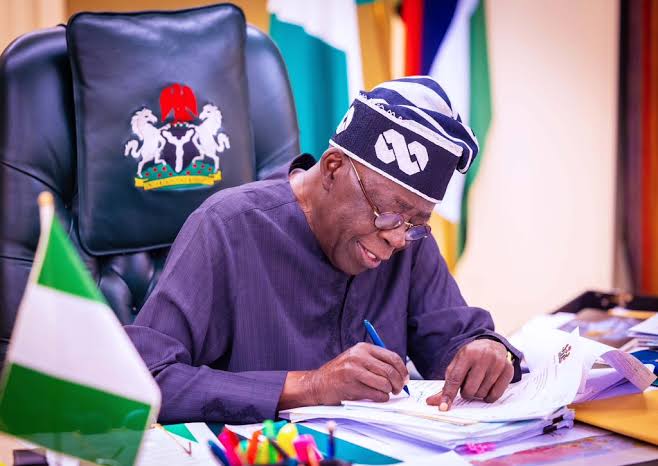
Bagudu highlighted that the Federal Government’s ongoing reforms, led by President Bola Ahmed Tinubu, were necessary steps towards repositioning the Nigerian economy, increasing productivity and building a stronger foundation for sustainable growth.
According to him, the government was aware that major reforms often have varying effects across different segments of society, which led to the introduction of targeted interventions to support those most affected, including low-income households, small businesses, traders and farmers.
“Whenever you implement bold reforms, whether at the family, community, or national level, they will have disproportionate effects on different parts of the populace. Therefore, we have to be more deliberate,” he said.