Follow Us on Google
By Lawrence Agbo
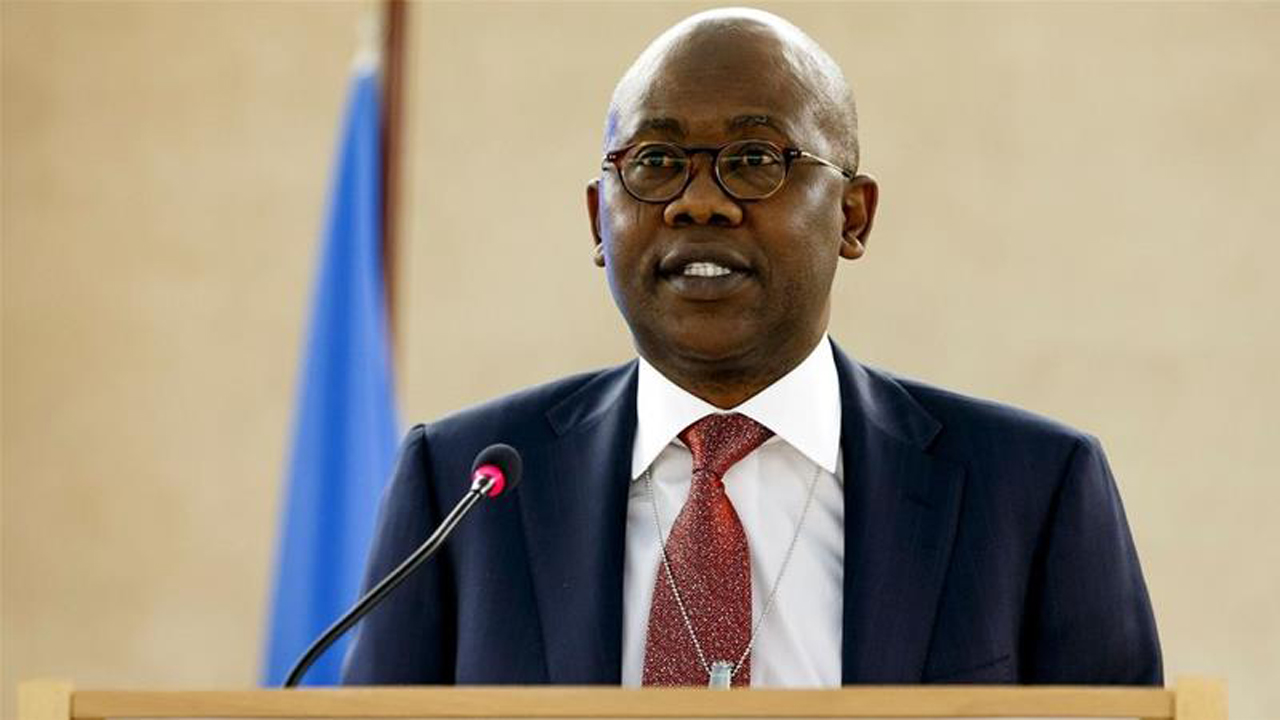
Former Attorney-General of the Federation, Mohammed Adoke, has cautioned that Nigeria’s democracy is being weakened by the growing tendency to resolve electoral contests in court rather than at the ballot box, insisting that elections should be decided by voters, not judges.
Speaking in Abuja on Wednesday at the Nigerian Bar Association (NBA) Federal Capital Territory branch 2026 annual law week, themed “Safeguarding Nigeria’s democratic process,” Adoke warned that the increasing “judicialisation” of elections is gradually shifting political power away from citizens.
He argued that while courts play a legitimate role in resolving disputes, the current situation—where virtually every stage of elections ends up in litigation—risks undermining the credibility of the democratic process.
“Ballot papers, not courts, should decide elections,” he said, warning that the popular phrase “go to court” has now become a reflection of how little trust is placed in the electoral system.
Adoke noted that the trend has turned elections into prolonged legal battles over nominations, party primaries, and declared results, rather than a direct expression of voters’ will.
Referencing concerns previously raised by former President Goodluck Jonathan, he agreed that excessive judicial involvement in electoral outcomes weakens democratic legitimacy and reduces citizens’ sense of ownership of the process.
He stressed that democracy is not defined only by holding regular elections but by the confidence citizens have in their outcomes.
Other News
“Endurance is not the same as excellence, and continuity is not the same as credibility,” he said, adding that when trust disappears, democratic participation becomes routine but meaningless.
Adoke also linked Nigeria’s declining electoral confidence to the controversies and voter apathy witnessed during the 2023 general elections.
Beyond election litigation, he criticised political parties for deepening the problem through monetised politics and weak internal democracy, noting that nomination forms now cost between N5 million and N100 million, effectively shutting out many aspiring politicians.
He further warned that consensus arrangements are increasingly replacing competitive primaries, describing the trend as a “coronation” of selected candidates rather than a democratic process.
The former AGF urged the Independent National Electoral Commission (INEC) to strengthen its independence and rebuild public trust, warning that perceptions of bias could further damage confidence in elections.
He also called on Nigerians to take greater responsibility in defending democracy by rejecting vote-buying, ethnic sentiment, and religious bias during elections.
Adoke concluded that democracy can only survive where institutions remain strong and citizens remain committed to ensuring that their votes truly count.