Follow Us on Google
From Lateef Dada, Osogbo
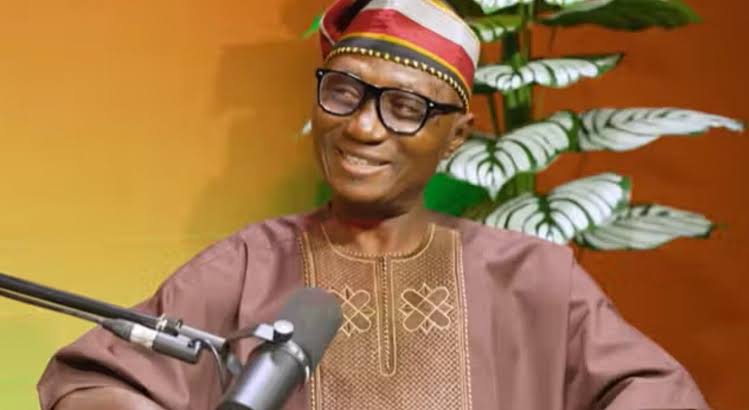
Public affairs analyst, lawyer, and economic historian, Prof. Tunji Ogunyemi, has warned the Federal Government against reinstating universal petrol subsidies, describing any such move as a retreat into systemic waste and corruption.
Speaking with our correspondent yesterday, Prof. Ogunyemi posited that providing temporary fuel relief to Nigerians is a welcome measure, provided the system is safeguarded against manipulation and smuggling to neighboring countries.
He stressed that short-term relief measures cannot completely resolve the nation’s economic challenges, describing them as temporary interventions to cushion the impact of global supply disruptions.
“Fuel relief is neither a final nor a complete solution. No government in the world can proffer, or even pretend to offer, a total solution to complex economic problems.
“Issues are resolved incrementally. If the government has responded to public sentiment by offering energy supplementation, that step should be welcomed,” Ogunyemi said.
However, he cautioned against resuming open-ended subsidies, citing historical precedents of economic failure.
“I do not subscribe to returning to full subsidies,” he noted. “When petrol is sold below production costs, no government can sustain it without risking collapse. We saw this system fail in Cuba, the Soviet Union, and across Eastern Europe. It is simply unsustainable,” Ogunyemi said.
Instead, he advocated for targeted support mechanisms designed to cushion vulnerable citizens during severe market strains.
“In dire situations like the current disruption around the Strait of Hormuz, the responsible approach is for the government to step in on behalf of the most vulnerable.
“This can be done through targeted palliatives or fuel vouchers for workers and public transit users,” Ogunyemi stressed.
He warned that a full return to fuel subsidies would reopen the door to widespread corruption, while emphasizing that any relief mechanism must be tightly monitored.
“The relief is timely and very welcome, provided it applies at the point of purchase so individuals cannot hoard fuel and smuggle it across the border into Chad or Niger Republic.
“Distribution should be limited to designated stations like NNPC, while consumers who prefer alternatives can visit major marketers like MRS or Conoil.
“So, it is responsive of the government to intervene at this level until global conditions, specifically the situation at the Strait of Hormuz, improve,” Ogunyemi added.