Follow Us on Google
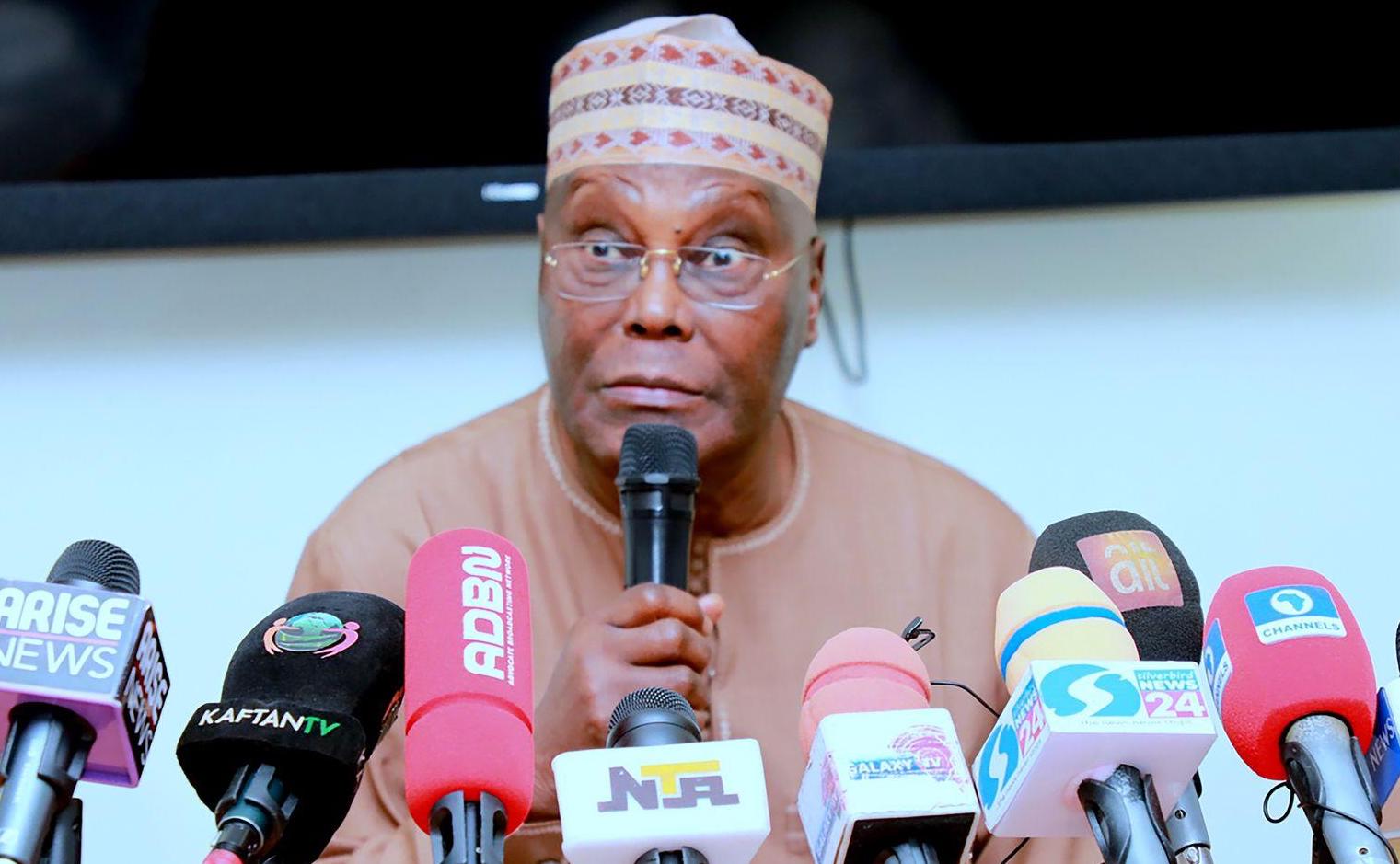
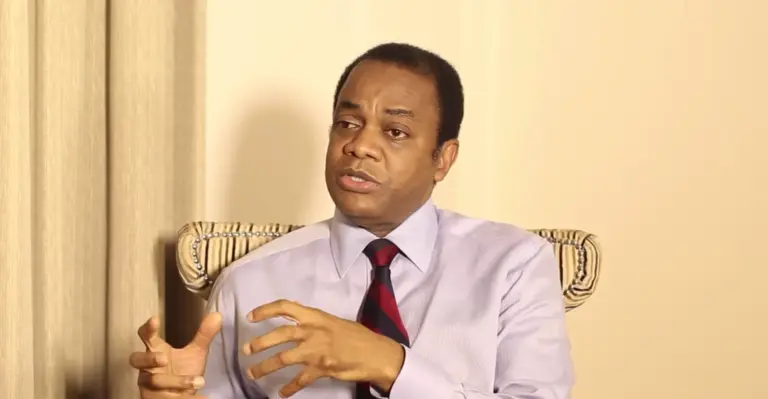
The Independent Media and Policy Initiative (IMPI) has criticised former Vice President Atiku Abubakar’s proposal to restore fuel subsidy if elected president, describing it as a populist policy that could plunge Nigeria into deeper financial and economic difficulties.
IMPI, in a policy statement signed by its Chairman, Dr Omoniyi Akinsiju, on Wednesday, acknowledged that the proposal could initially reduce the pump price of petrol but warned that its long-term consequences would be damaging to the nation’s economy.
It described the proposal as a “reckless, populist” policy that could bankrupt the country, undermine its sovereign credit ratings and reverse economic gains recorded in recent years.
“Unarguably, Atiku’s proposal to re-regulate fuel prices would undermine the Petroleum Industry Act (PIA) 2021 and create an artificial reduction in pump prices,” it said.
It argued that fixed price caps could discourage marketers from distributing fuel to remote areas because of reduced commercial incentives, leading to the concentration of supplies in high-volume urban centres such as Lagos, Abuja, Kano and Port Harcourt.
It warned that such a development could revive black-market fuel trading, with rural filling stations experiencing shortages and farmers and transport operators forced to obtain petrol from informal vendors.
It projected that increased transportation costs could further push fares significantly higher, thereby worsening food inflation in urban centres while reducing the profit margins of rural farmers.
Other News
IMPI also expressed concern that the proposed policy could create uncertainty for commercial operators, including NNPC Limited and private refineries, by subjecting them to politically determined pricing formulas.
Additionally, it said the policy could send negative signals to international investors about Nigeria’s regulatory stability, potentially discouraging foreign capital inflows and affecting the financing of major infrastructure projects through public-private partnerships.
The group maintained that Nigeria’s infrastructure deficit could not be addressed by returning to fiscal policies that contributed to the country’s economic difficulties in the past.
IMPI noted that Atiku’s proposed “Follow-the-Barrel” model effectively replaces direct cash subsidy with a discount on crude oil revenue, and warned that such an approach could return Nigeria to a cycle of prioritising short-term relief at the pump at the expense of investments in roads, hospitals, schools and energy infrastructure.
It, however, noted that any disruption to concessionary loan disbursements could leave the Federal Government relying more heavily on expensive domestic borrowing to finance public infrastructure.
The group therefore urged Nigerians to consider the long-term fiscal and economic implications of restoring fuel subsidy, arguing that temporary relief in petrol prices should not come at the expense of sustainable investment and economic stability.