Follow Us on Google
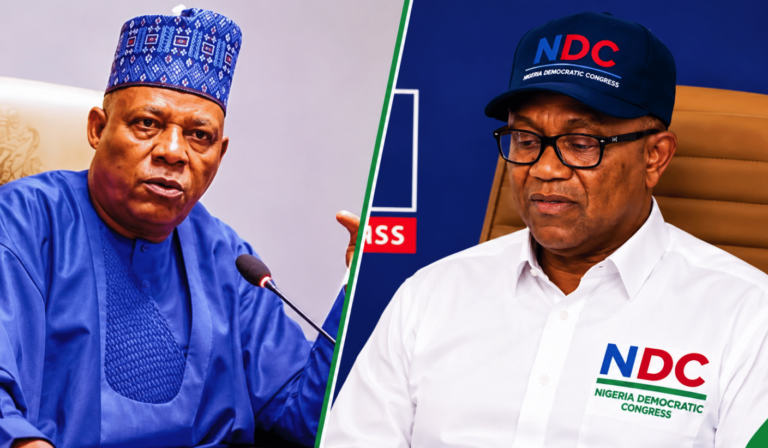
Paul Ibe, Media Adviser to former Vice President Atiku Abubakar, has faulted former Ekiti State Governor Kayode Fayemi for dismissing Atiku’s production-anchored fuel subsidy proposal as a mere political strategy and comparing it to the All Progressives Congress (APC) Muslim-Muslim ticket of 2023.
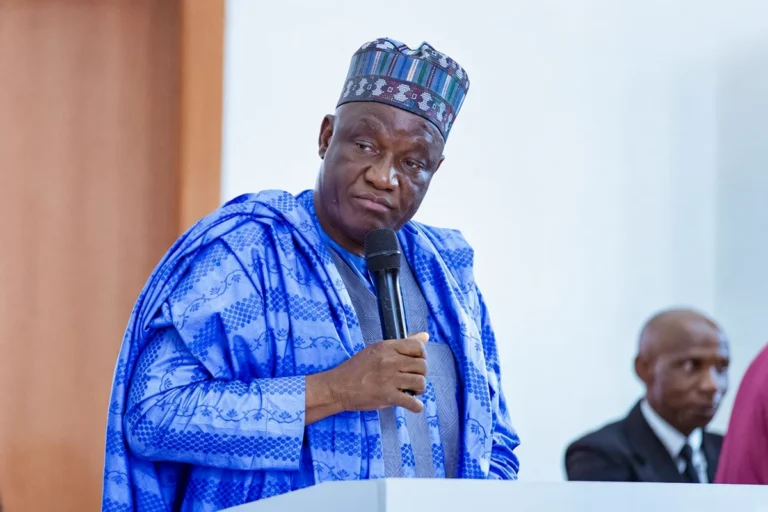
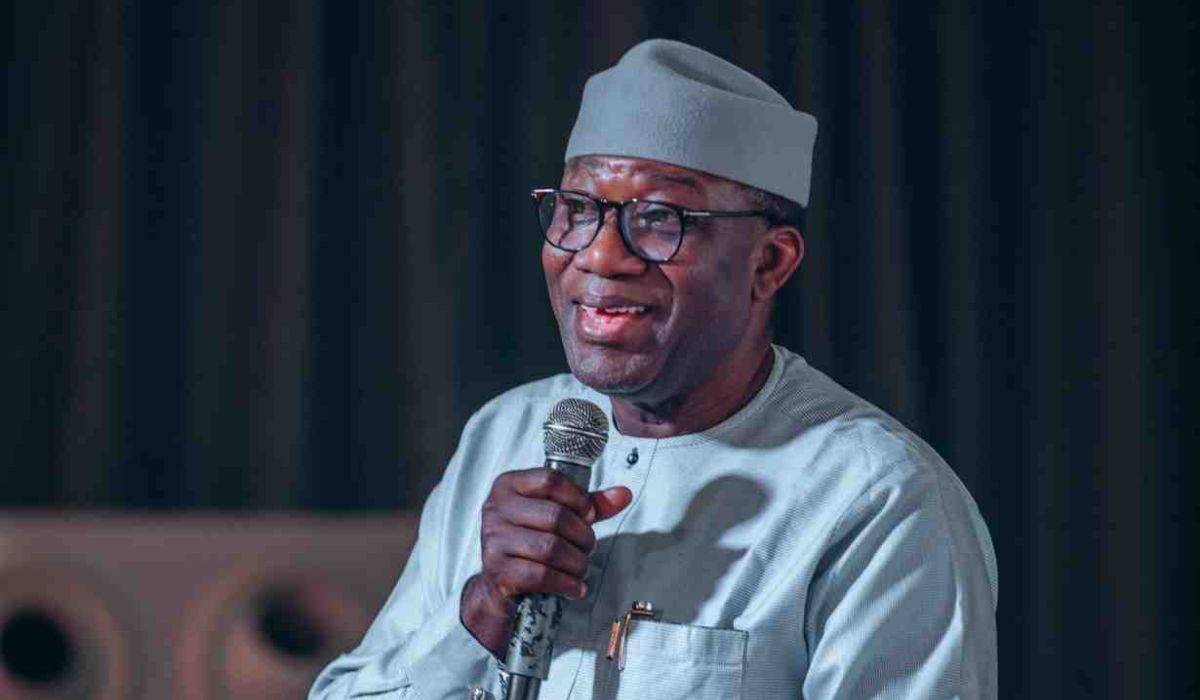
Speaking in a recent Arise TV interview, Fayemi said Atiku’s proposal on subsidy “is the political equivalent of our own Muslim-Muslim ticket in 2023. It’s a political strategy. It’s not an economic construct.”
He maintained his long-standing support for subsidy removal but criticised the manner of its implementation by the Tinubu administration, particularly the inadequate safety nets for vulnerable Nigerians.
In a Facebook post on Tuesday, Ibe described Fayemi’s approach as a rather curious way of avoiding the substance of the debate and called the comparison “ridiculous”.
Ibe stated that every major economic policy has political consequences, especially one that directly affects the welfare of millions of Nigerians.
He said the real question is whether the proposal makes economic sense, an area where Fayemi’s argument falls short.
Ibe stressed that Atiku is not proposing a return to the discredited old subsidy regime, which was marked by opacity, questionable claims by importers and corruption.
Instead, the presidential candidate of African Democratic Congress (ADC) is advocating a production-anchored subsidy, which, Ibe explained, is a fundamentally different model built around domestic production and refining.
Ibe said, “Instead of subsidising an inefficient system dependent on imported petroleum products, the objective is to use a targeted and transparent mechanism to reduce the cost of locally produced fuel, encourage domestic refining, support productive capacity, create jobs, substantially reduce the cost of transportation and logistics and ultimately bring relief to Nigerian consumers.”
He described this as an economic policy proposition, not a slogan.
Other News
Ibe argued that if Fayemi believes the proposal is economically unsound, he should demonstrate the projected fiscal cost, explain why the production-linked mechanism would fail, identify any inflationary or market distortions, and offer a better alternative, rather than simply labelling it a political strategy.
Ibe noted that by Fayemi’s logic, virtually every campaign promise in any democracy could be dismissed as illegitimate simply because it is announced during an election cycle.
He emphasised that Nigeria cannot continue to treat subsidy removal in isolation as an economic policy.
He maintained that removing the subsidy without addressing the underlying cost structure of petroleum products, domestic refining capacity, energy costs, transportation and the wider productive economy merely transfers the burden from government to citizens, which he said is a reality Nigerians have already experienced.
According to Ibe, the core issue is not whether subsidy should exist in the abstract, but what is being subsidised, who benefits, how much it costs, how it is administered and what economic objective it serves.
Atiku’s proposal, he observed, answers these questions differently by shifting from an import-anchored regime to one anchored on production; from opacity to transparency; from rent-seeking to productive capacity; from dependence on imported refined products to strengthening domestic refining; and from an uncontrolled fiscal burden to a targeted, measurable intervention.
Ibe urged Fayemi and others to engage the proposal on its economic merits.
He said, “If it is bad economics, show Nigerians the numbers. If it is fiscally unsustainable, demonstrate why. If there is a better way to reduce the cost of petrol and diesel while protecting consumers and encouraging domestic production, put it on the table.
“Nigerians deserve more than political labels. They deserve an honest debate about an economic policy that could determine whether the country continues to punish consumers with high energy costs or begins to build a productive, self-sustaining domestic energy economy. Atiku has put a proposal on the table. The appropriate response is not to ridicule it as a political strategy. The appropriate response is to interrogate the economics.”