Follow Us on Google
From Juliana Taiwo-Obalonye, New York
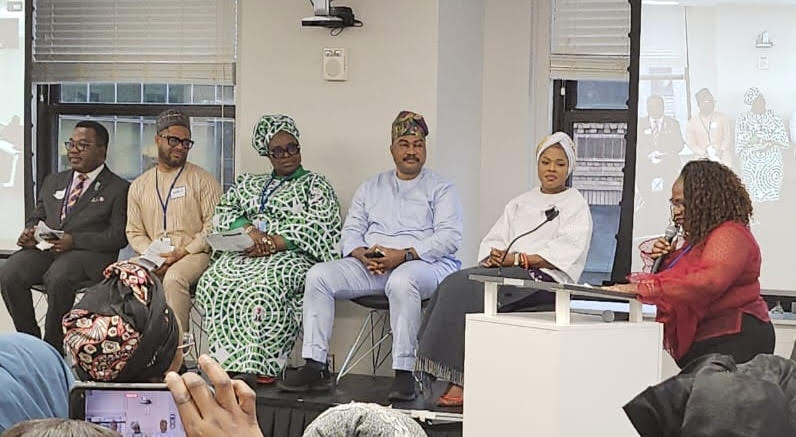
A call for men to become intentional partners in achieving gender justice and equity echoed powerfully at the third panel session of Nigerian Women’s Day in New York, held on the sidelines of the 70th session of the Commission on the Status of Women (CSW70).
Organised by Nigeria’s Federal Ministry of Women Affairs under the theme “31 years of progress, resilience, impact and renewed hope”, the session, tagged “Positive masculinity: men as partners in justice and gender equity”, featured male and female leaders from diplomacy, civil society, traditional institutions and human rights advocacy.
Moderated by Adi Enitan Okuyelu, a Rwandan-UK-based professional accountant and diaspora advocate, the lively discussion emphasised that gender advancement must include men as allies and advocates.
“Men have a significant role to play in the advancement of women and girls,” Okuyelu said. “We must move from interesting ideas to real action by ensuring men use their influence to open spaces for women to thrive.”
Country Director of ActionAid Nigeria, Andrew Mamedu, stressed that achieving equality goes beyond rhetoric. He cited workplace policies that purposely promote gender balance within his organisation.
“At ActionAid, you can’t have a male board chair and a male vice-chair. Our system ensures inclusiveness,” he explained. “Positive masculinity starts with deliberate frameworks that give women equal room to lead. Participation is a right, not a privilege.”
Mamedu also urged Nigerian policymakers to move beyond symbolism and establish laws that translate gender policy into measurable action.
“We must be practical,” he added. “If we truly believe in HeForShe, we must be willing to lose elections or power to do what is right for women.”
From the traditional leadership angle, Her Regal Majesty, Olori Temitope Ogunwusi, wife of the Ooni of Ife, spoke on the role of cultural institutions in shaping social attitudes.
“We must stop talking and start walking the talk,” she said, urging women to balance ambition with humility. “In leadership, humility is key. A woman who lacks humility cannot thrive. Even in our homes, how we treat our husbands and sons reflects the kind of leaders we will become.”
Olori Temitope also praised the First Lady of Nigeria, Oluremi Tinubu, describing her as a “super humble woman working behind the scenes” for Nigeria’s transformation.
“If women unite behind one voice and purpose, even a president will have no choice but to support us,” she declared.
Speaking from a diplomatic perspective, Ambassador Bolaji Alade Akinremi, a veteran diplomat, described positive masculinity as “a double-edged sword” that encourages respect and collaboration rather than domination.
“Positive masculinity is when you have power and use it to protect, not to oppress,” he stated. “In diplomacy, we say there is no gender, but we must still recognise and support our women to balance family and service responsibilities.”
Other News
He urged Africans to re-evaluate cultural norms that reinforce male dominance, adding that men and women are interdependent.
“The head cannot move without the neck,” he said. “Respect must define our relationships.”
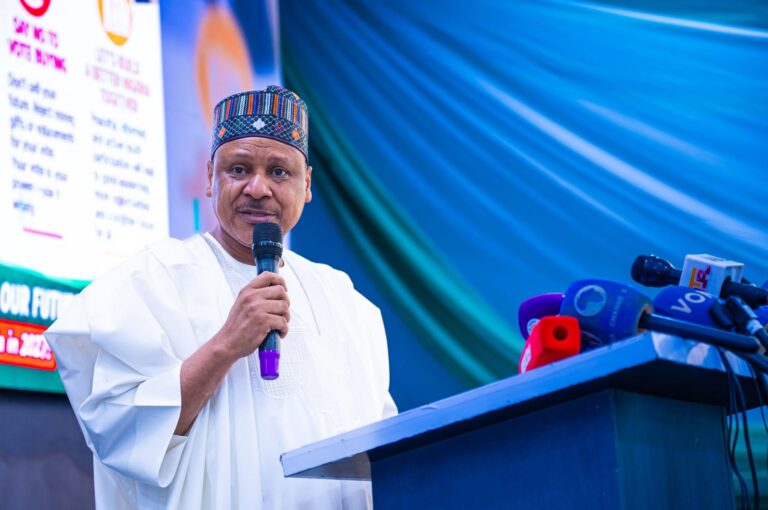
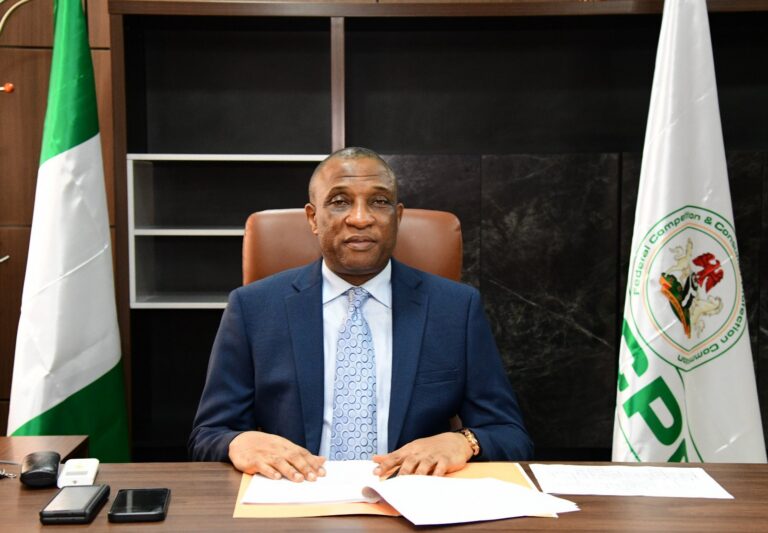
Executive Secretary of the National Human Rights Commission, Tony Ojukwu, emphasised that women’s rights are not concessions from men but fundamental human entitlements.
“What women are asking for is their right, not a privilege. Men have captured these rights for centuries—it’s time to let go,” Ojukwu insisted. “Real justice cannot exist without inclusion.”
He revealed that his commission had adopted zero tolerance for sexual harassment and increased women’s representation in leadership to 10 out of 15 director positions.
“When women feel safe and empowered, they perform exceptionally,” he said, adding that economic support and awareness are vital to ending gender-based violence.
“You cannot talk about women without having them at the table,” he stressed.
In her contribution, Mrs Olufunmilola Disu, President of the Police Officers’ Wives Association (POWA), urged families to model gender balance from home.
“Every man out there was once a boy. If we make girls wash the plates and let boys sit idle, what kind of husbands are we raising?” she asked. “We must teach boys to share responsibilities.”
She also linked modern progress to women’s economic independence.
“Gone are the days when women stayed back selling oranges in the barracks. Today, we are educated and working. That earns us respect—even from our husbands,” Disu said.
Closing the session, Nigeria’s Minister of Women Affairs and Social Development, Dr Imaan Sulaiman-Ibrahim, underlined that sustainable gender equality can only be achieved through partnership with men.
“No woman succeeds alone,” she said. “Every successful woman has a man who believes in her. Whether it is the Ooni of Ife, the husband of a police leader, or the partners of our women leaders, their support makes the difference.”
She explained that her ministry is committed to a holistic gender policy that includes men and promotes a boy-child initiative to counter negative stereotypes and violence.
“Our ministry is not for women alone—it is for men and women. You can’t have equality by speaking to only women,” the minister noted. “We must raise boys who respect girls so they grow into men who uplift women.”