Follow Us on Google
From Juliana Taiwo-Obalonye, Abuja
Amnesty International Nigeria launched its 2025 Annual Report yesterday, unveiling a harrowing portrait of a nation gripped by relentless insecurity, shrinking civic freedoms, economic despair, and impunity for abuses.
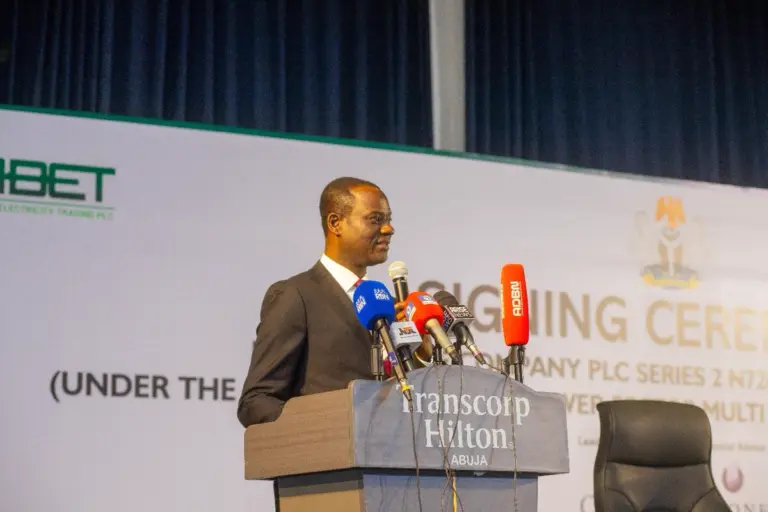
Maurice Chukwu, who presented Nigeria’s context at the report launch titled: “The state of the world’s human rights”, opened the event with a somber assessment: “The picture from Nigeria in 2025 is deeply concerning, it is a year marked by continued insecurity, pressure on civic freedoms, economic hardship, and limited accountability for serious abuses. Across many parts of the country, ordinary people continued to face fear in their daily lives – whether from armed violence, displacement, rising costs of living, or restrictions on their basic freedoms.”
He emphasised that the report summary reflected systemic patterns, not isolated incidents, drawn directly from the Global Human Rights Report.
Chukwu detailed pervasive violence, with civilians paying the heaviest price. In the Northeast, “Boko Haram attacks continued. In May, 23 farmers and fishermen were killed in Borno State. In September, more than 60 people were killed in another attack in Darul Jamal, where homes were destroyed and vehicles burnt.” Plateau State suffered “dozens of people… killed in coordinated attacks between March and April,” while Benue’s Yelewata saw “over 100 people… killed” in June, displacing thousands.
The report cataloged further atrocities: 15 killed in Ebonyi State; 30 along the Okigwe-Owerri road in Imo State; over 80 in multiple Benue attacks; 50 killed and 60 abducted in Katsina State; 38 worshippers abducted in Kwara State. Schoolgirl abductions surged, including 25 in Kebbi and 303 girls plus 12 staff in Niger State in November. Military airstrikes killed civilians in Zamfara and Katsina, leaving communities “with little protection.” Chukwu noted, “Overall, the scale of violence remained high, and communities often faced repeated attacks.”
The report specified additional horrors, such as gunmen killing 51 in Zikke village, Plateau (April 13); 85 in Benue’s Tse Antswam and Edikwu Ankpali (late May-early June); 27 locked in rooms and slaughtered in Bindi-Jebbu, Plateau (July 15); and 50 killed with 60 abducted at a Katsina mosque (August 19).
Other News
Amnesty International report noted shrinking civic space and protest crackdowns, adding that freedom of expression faced severe pressure. Chukwu listed cases: Omoyele Sowere detained for critical party leadership comments (corrected from report as Omoyele Sowore, arrested January 27 for X posts against the Inspector General); a young social media user (Haruna Mohammed, March 2) arrested over school conditions; journalists assaulted in Port Harcourt protests (March 7, including Charles Opurum of Channels TV); a youth corps member (Ushie Uguamaye, March 16) punished for economic hardship posts; Kano journalists detained (March 25); a critical song banned (Eedris Abdulkareem’s “Tell Your Papa,” April); and activist Chinedu Agu jailed 28 days for governor critiques (September 23).
Protests, the report said, drew lethal force: “In Abuja, at least five people were killed when security forces opened fire during a protest linked to a religious gathering” (March 27, targeting Islamic Movement in Nigeria supporters). Activists and lawyers, including Omoyele Sowore and Aloy Ejimakor, were arrested October 20 for demanding Nnamdi Kanu’s release, charged with public disturbance and bailed.
Economic woes exacerbated crises: “About 30.6 million people faced acute food insecurity,” with rising food, transport, health, and education costs; 500,000 displaced in Benue alone; USAID cuts hitting HIV programs; and a 2026 fuel tax looming. Forced evictions included Kano deaths (February 3); Lagos displacing 10,000 (March 7) and demolishing 70 homes despite court orders (October 25, families inside).
Women and girls endured abductions (e.g., four at J.S. Tarka University, Benue, February 27; 25 in Kebbi, November 17) and assaults, including by Hisbah in Katsina (April 15). Environmentally, a UK High Court ruling (June 20) allowed Niger Delta communities to sue Shell for spills
According to Chukwu: “The developments in Nigeria in 2025 point to a country under multiple pressures at once—security challenges, shrinking civic space, economic strain, and weak accountability systems. These issues are not separate. They reinforce each other… Without these steps [stronger protection, freedoms, justice], the cycle of violence and hardship will continue.”
Board Chairman, Auwal Musa Rafsanjani, framed the report as “a vital accountability tool… stories of resilience, but also of injustice, abuse, and systemic failures.” He highlighted “violations linked to insecurity… restrictions on civic space, unlawful detentions, gender-based violence,” urging the government to “strengthen accountability mechanisms… uphold the rights to freedom of expression… prioritize civilian protection… address structural inequalities.” To civil society: “You are the watchdogs… Let it inspire action.”