Follow Us on Google
From Juliana Taiwo-Obalonye, Abuja
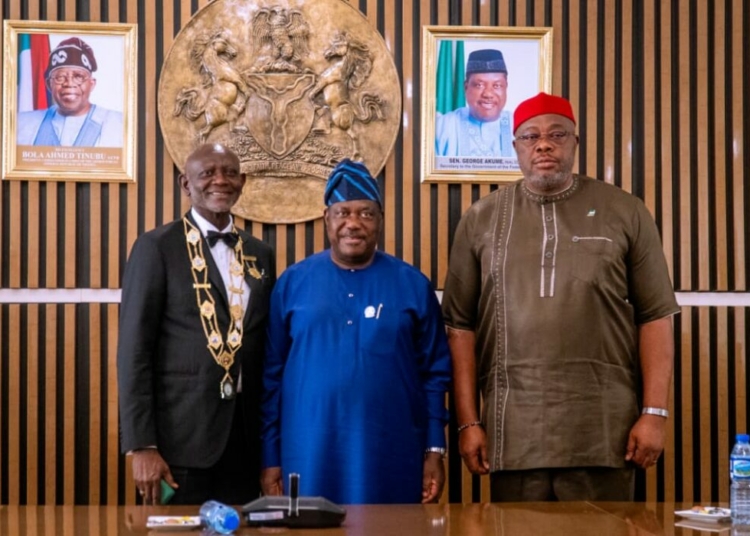
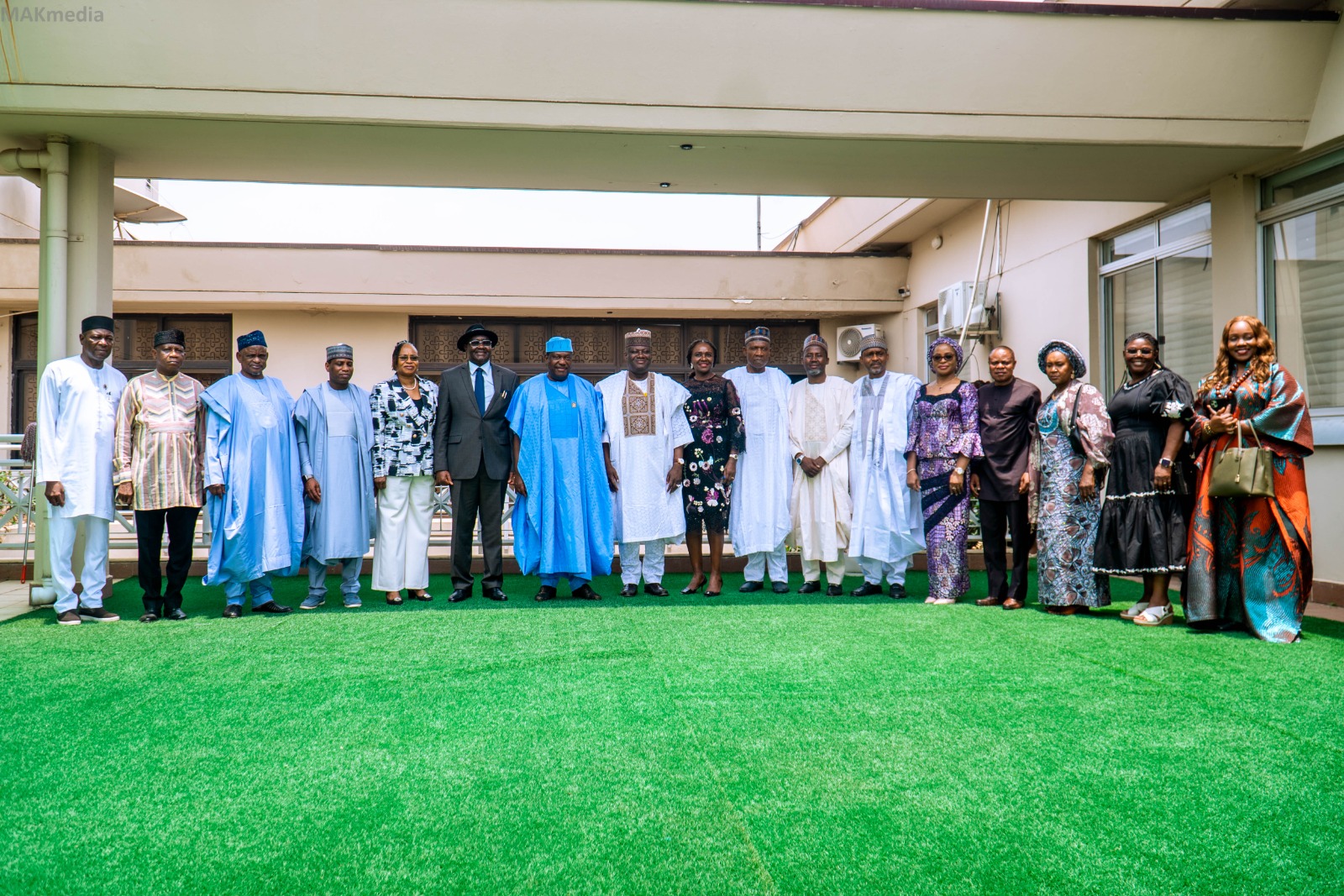
In a dual ceremony underscoring President Bola Tinubu’s Renewed Hope Agenda, Secretary to the Government of the Federation (SGF), George Akume, on Tuesday inaugurated the Boards of the Nigerian Upstream Petroleum Regulatory Commission (NUPRC) and the National Agricultural Land Development Authority (NALDA), charging them to entrench corporate governance, transparency, and innovation.
The inaugurations, held at the SGF’s office in Abuja separately, signal the Federal Government’s push to reform critical sectors amid Nigeria’s economic headwinds, including fluctuating oil prices and food inflation.
Akume described the events as “significant milestones” in strengthening governance, deepening reforms, and accelerating inclusive development.
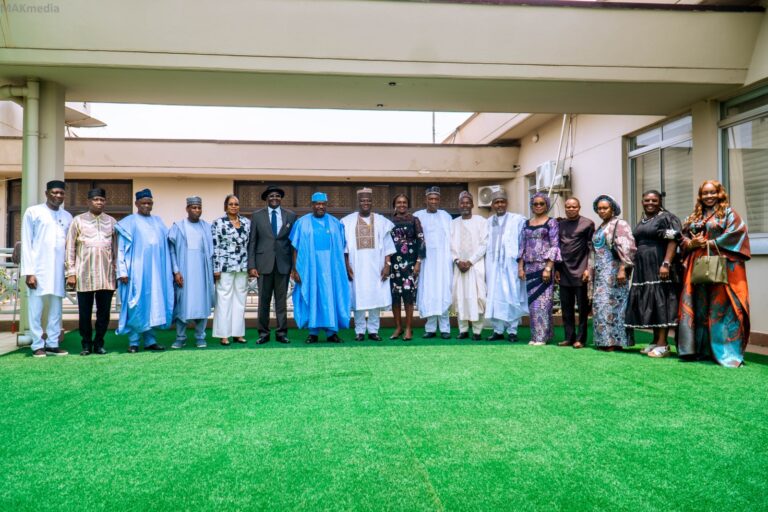
At the NUPRC inauguration, Akume linked the Board’s formation to the Petroleum Industry Act (PIA) of 2021, enacted to overhaul Nigeria’s oil and gas sector with clearer regulations, institutional autonomy, and global best practices. He stressed that the upstream petroleum resources—vital for over 70% of federal revenue—must be managed transparently for the people’s benefit.
As the Commission’s apex governance body, the Board is tasked with strategic oversight, policy direction, and stability to boost investor confidence, revenue, and sustainable development.
“The appointments reflect a deliberate selection of individuals with proven competence, integrity, and professional experience,” Akume said, adding, “Integrity, diligence, and fidelity to the law must guide all decisions of the Board… public trust and national interest depend heavily on their stewardship.”
He reiterated alignment with Tinubu’s agenda, emphasizing strong institutions and the rule of law for economic growth and energy security.
Other News
Responding on behalf of the NUPRC Board, Chairman Magnus Abe expressed profound gratitude to President Tinubu amid “millions of qualified Nigerians,” praising Akume’s role in the process. “We are very grateful to the President and we want to assure him through you that we will not disappoint him,” Abe pledged. He committed to studying Akume’s charge, collaborating with management, leveraging members’ “pedigree and integrity,” and delivering PIA goals to meet government and public expectations, while seeking Akume’s continued guidance.
In the parallel NALDA ceremony, Akume positioned the Authority as a cornerstone for agricultural transformation, poverty reduction, job creation, and rural revitalization. He spotlighted flagship programmes like the Renewed Hope Mega Farm Estates—modern hubs with irrigation, processing, and farmer settlements—as well as the Renewed Hope Restoration Project for vulnerable groups, Green Hope for year-round greenhouse farming, and Aqua Hope for aquaculture expansion.
These initiatives, Akume noted, are already driving food production, employment, and economic diversification. “NALDA is expected to scale up its programmes across more states, strengthen the use of technology, and expand opportunities for youth and women in agriculture,” he directed, urging the Board to provide oversight for sustained gains.
The NALDA Board Chairman, Kabir Barkiya, on behalf of other members of the Board giving his remarks after inauguration of the Board, opened with thanks to “Almighty Allah for this moment,” calling his appointment a “profound call to service.” He affirmed the Board’s mandate for strategic direction, sound governance, transparency, and accountability, pledging close collaboration with management and staff.
“We will prioritize initiatives that unlock agricultural potential, promote inclusive participation, empower farmers across the nation, and drive sustainable growth,” he stated. “Our focus will remain on delivering measurable results that contribute meaningfully to food security, job creation, and economic resilience… With unity of purpose, diligence, and the fear of Allah, we are confident that NALDA will continue to play a pivotal role in transforming Nigeria’s agricultural landscape.”
Akume congratulated both Chairmen and members, expressing optimism for “impactful contributions” and assuring government support. The appointments come as Nigeria grapples with petroleum sector host community tensions and agricultural challenges like climate change and youth exodus from farming.