Follow Us on Google
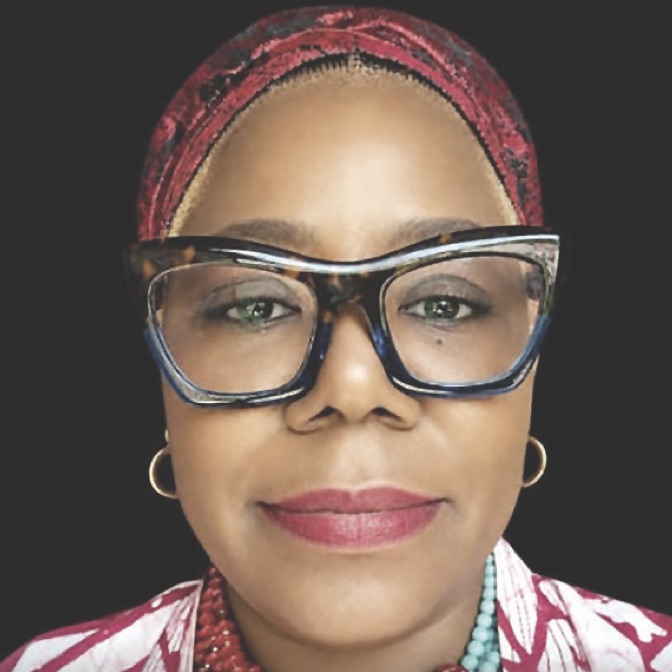
By Bianca Iboma-Emefu
For Dr. Abi Adeleke, the brain behind, Abi Adeleke Consulting LLC, entrepreneurship is more than a career, it is a legacy shaped by her mother’s cross-border trading experiences between Italy and Nigeria. Today, armed with academic training and years of strategic experience, she is helping women-led businesses transform grassroots enterprise into sustainable, scalable ventures.
In this interview with Daily Sun, she shares her journey, the resilience of African women entrepreneurs, and why purpose, technology and human connection must remain at the heart of the future of businesses.
Growing up in Nigeria, you witnessed the entrepreneurial spirit of women around you, especially your mother. How did those early observations shape the woman and professional you are today?
Entrepreneurship was part of my life before I even had the language for it. It is part of my family story. My grandparents on both sides were traders, and my mother was a businesswoman who sold gold and fashion accessories sourced from Italy. I remember going on buying trips with her, watching her choose products, build relationships, understand her customers, and bring those goods back to Nigeria.
At the time I did not realize how much I was learning. Looking back, those experiences taught me that business is about people, trust, recognizing opportunity, taking calculated risks and having the courage to start.
When I look at my journey today—from corporate America to Thrive365 Consulting and my other ventures, I can see the thread. The seeds of entrepreneurship were planted generations ago.
What specific memories of Nigerian women building businesses with limited resources still drive your passion for supporting women entrepreneurs across Africa and the diaspora?
What stands out is their resourcefulness. I grew up watching women find ways to build, provide and create opportunities without many of the tools we take for granted today—no social media, no digital storefronts, no AI. They understood relationships, reputation and their customers. If you served people well, they returned and brought others with them.
Today we have access to tools and markets previous generations could not imagine. My passion is helping women combine that same resilience and creativity with modern technology, knowledge and access. In many ways I see my work as continuing something that started long before me.
How have your academic experiences equipped you to reinvent traditional marketing strategies for women-owned businesses?
Each part of my education gave me a different lens. My arts background taught creativity, storytelling and connection. Public administration taught me to think about systems, institutions and communities. Marketing brought me found research, strategy and practical application.
But education is only part of it. I also bring corporate experience, entrepreneurship and lived experience across cultures. For me, marketing is never just “How do I sell more?” It is about who you serve, the problem you solve, why someone should trust you, and how you communicate value authentically. For women who are often balancing careers, families, caregiving and ministry, I focus on strategies that are both effective and sustainable.
What prompted you to establish your consulting firm and how does it differ from conventional marketing consultancies?
I wanted to create faith-focused resources and practical tools that help women thrive without losing themselves. Thriving is bigger than business success—it is about purpose, wellbeing, leadership, faith, relationships and knowing when to reset. Sometimes the answer is not “work harder.” Sometimes you need to pause, get clear, simplify and build differently. Burnout is not the price women have to pay for purpose
It grew from seeing women navigate many seasons of life while carrying multiple responsibilities and feeling they must constantly do more.
Your firm promises to develop “purpose-driven relationships which transcend buying and selling.” Can you unpack what that means in practical terms for a woman entrepreneur just starting out?
It means people are not transactions. You need sales, but if your only question is “How do I get this person to buy?” you are missing something. Listen. Understand real needs. Solve problems. Keep your word. Serve well. And know why you are doing what you do. Purpose changes how we approach business. Excellence, integrity and service should shape how we show up. When people trust you and know what you stand for, you build something far more valuable than a one-time sale—you build relationships.
Many women-owned businesses struggle to survive beyond the first five years. From your work and research, what are the most common reasons, and what practical strategies do you recommend?
My doctoral research showed clearly that a good product alone will not sustain a business. People must know you exist, understand your value and trust you. Many owners are excellent at their craft but have not developed the systems around it. For women, sustainability is especially critical because many build businesses alongside careers, families and other responsibilities.
My advice is practical: know your customer, know your numbers, be clear about the problem you solve, build genuine relationships, develop systems, use technology strategically, and stay willing to adapt. Passion may start the business; strategy, consistency and sustainability keep it going. Do not build in a way that requires you to permanently run on empty.
How do you see the unique challenges and opportunities facing women entrepreneurs in Africa compared with those in the United States, and how does your dual perspective inform your consulting work?
The environments differ, yet some challenges are similar—access to capital, networks, mentorship and opportunities. In parts of Africa, infrastructure, technology, logistics and export markets add extra barriers. At the same time I see enormous opportunity: creativity, talent, products with powerful stories, and the same entrepreneurial spirit I grew up around. Because my experience crosses cultures, I think about bridges. How do we connect a woman creating something extraordinary in Nigeria, Ghana or Kenya with customers in the United States? How do we turn diaspora relationships into economic opportunity? How do we create real access rather than just talk about empowerment? Those questions excite me.
Access to finance and export markets remains a major barrier for many African women entrepreneurs. What realistic pathways or partnerships do you believe can begin to close that gap?
We must think beyond simply giving loans. Capital matters, but without markets, financial literacy, digital capability and reliable systems, money alone may not solve the real problem. Women need ecosystems—mentorship, technology, logistics, payment solutions and buyer relationships.
There is tremendous potential in intentional partnerships between African entrepreneurs and the diaspora. Through my own African fashion accessories business I source from women-owned businesses in Nigeria, Ghana and Kenya and introduce those products to customers in the United States. That creates a direct economic connection. We should ask not only “How can we help African women entrepreneurs?” but also “How can we do business with them?”
You served as one of the facilitators at the 2026 GLOW Annual Conference organised by Dream Builders Initiatives. What was your specific focus or contribution during the event?
My session was “Winning in the Marketplace with AI.” I wanted to demystify AI. There is so much conversation around it that it can sound intimidating. My message was simple: this is already part of our marketplace, so let us understand it and use it responsibly.
We explored practical ways AI can support creativity, communication, marketing, productivity and business development, while emphasizing accuracy, privacy, integrity and responsible use. The statement I left with the women was: “AI is a tool. Your purpose is the power.” Technology can amplify what God has placed in your hands, but it should never replace your judgment, values or humanity.
How did your session connect with GLOW’s broader goals of empowering girls and women?
GLOW addresses the whole woman and the whole girl—faith, health, confidence, purpose and economic empowerment. Today digital literacy matters too. We cannot prepare a 13-year-old girl for her future while pretending AI will not be part of it.
I wanted the girls and women to know that AI is not reserved for scientists or technology companies overseas. You can learn it, use it and create with it. But technology without character is not enough. Acquire the skills, use the tools, but bring wisdom, integrity and discernment with you. Looking at the diverse lineup of speakers and facilitators from South Africa, the UK, Canada, Nigeria and the USA, what stood out to you about the collective impact of bringing these voices together?
It was a reminder that empowerment has no geographical boundary. There are different countries, cultures, professions and journeys yet common threads of purpose, opportunity and responsibility to the next generation. Exposure matters. A girl in Lagos can hear a woman from South Africa, Canada, the UK or the United States and suddenly think, “Maybe I can do that too.” Sometimes you need to see a possibility before you can imagine yourself in it. There is also something powerful about women sharing knowledge rather than guarding it. When one woman opens a door and another walks through, we all move forward.
Can you share a specific success story of a woman entrepreneur whose business trajectory changed after working with you or attending a programme you facilitated?
I prefer transparency over attaching myself to someone else’s success story for the sake of a good answer. What I can speak about authentically is the women I intentionally support through my own business. I source African fashion accessories from women-owned and women-led businesses in Nigeria, Ghana and Kenya—women designing, making and trading beautiful products rooted in African creativity and culture.
When I bring those products into the United States, there is another woman on the other end of that transaction. Her business matters too. Women supporting women must become more than a hashtag. If I have access to a market, I should ask how I can create access for another woman. That is the kind of success story I want to keep building. As AI and digital tools reshape marketing, how are you helping women-owned businesses leverage these technologies without losing the human, purpose-driven relationships you emphasize?
Do not confuse automation with relationship. AI can help us brainstorm, research, organise ideas, create content, analyse information and work more efficiently—and I use these tools myself. But AI cannot care about your customer for you. It cannot replace discernment, values or your voice. My approach is to use AI to create capacity, not distance. If technology gives you back two hours, what will you do with them? Think strategically?. Spend time with family? Rest? Efficiency should create room for what matters, not simply allow us to pile more onto an already full plate.
What is your long-term vision for the broader movement of women entrepreneurs across Africa and the diaspora?
My vision is to support women through every season of life. Sometimes a woman needs strategy, sometimes clarity, practical resources, a reset, or simply the reminder that rest does not mean she has lost her ambition. I want to keep developing faith-focused resources, education, tools, mentoring and community that help women thrive without losing themselves.
For women entrepreneurs across Africa and the diaspora, I want more bridges—more collaboration, shared markets, mentorship and women creating access for other women. Not relationships based on charity, but on value, opportunity and mutual respect. I want us to reach the place where a woman can genuinely say, “I have access. Let me create access for someone else.”
If you could leave a message with the young women and girls and readers of this newspaper, what would it be?
Do not underestimate what God has placed inside you. You do not have to have everything figured out before you begin. Learn. Ask questions. Find mentors. Use the tools available to you. When opportunity comes, do not automatically decide you are not ready.
You may not know everything, but you can learn. You may not have everything, but you can start with what is already in your hands. Purpose does not require perfection, and you do not have to exhaust yourself to prove you are serious about it. There are seasons for building, learning and rest. Stay teachable. Stay grounded. Keep growing. Keep showing up. And above all, stay connected to the One who gave you the purpose in the first place.