Follow Us on Google
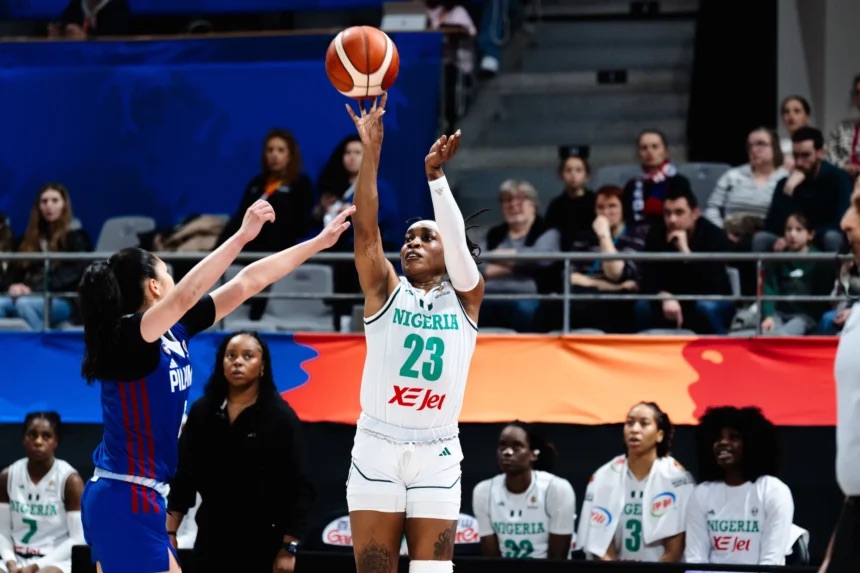
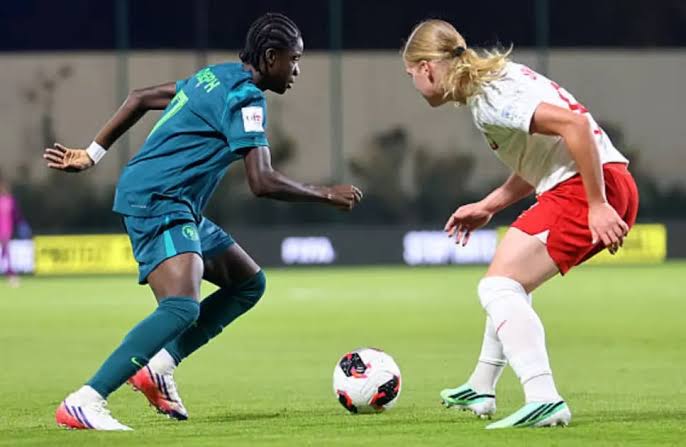
Nigeria’s D’Tigress closed out the 2026 FIBA Women’s Basketball World Cup with a heavy 111-56 defeat to France in Berlin, sealing a winless group stage after earlier losses to South Korea (99-81) and Hungary (71-67).
The 55-point margin against France was Nigeria’s heaviest defeat of the tournament and underlined how far the gap had grown between a fatigued D’Tigress squad and the sides they faced.
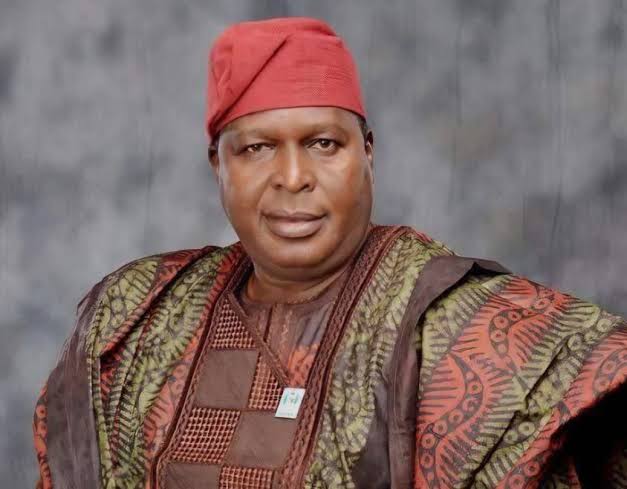
For Col. Sam Ahmedu (Rtd.), President of FIBA Africa Zone Three and NBBF board member, the result is the clearest evidence yet of warnings he says went unheeded for years. Ahmedu has pointed to a preparation cycle that saw the team crisscross continents in the two months before the tournament playing friendlies in Turkey, the United States, China and Europe before regrouping in Zaragoza and flying into Berlin just two days ahead of their opener.
He says the squad practiced only once in Berlin, on a day shared with media and photo obligations, leaving them with no real recovery window before facing South Korea.
“The players needed rest to refresh after those long tiring friendly matches before their first game in Berlin.
Other News
They did not have time to recover because they have been used to collect appearance fees or related support money which no one sees. Pity our players, they wanted to give their best.”
Ahmedu noted that the packed friendly schedule was driven in part by appearance fees collected without transparency to the players or board, compounding technical issues he also flagged including a player’s clearance not being properly processed, and head coach Rena Wakama not linking up with her own squad until roughly four days before the tournament began, having spent part of the buildup with WNBA side Chicago Sky.
Furthermore, he noted that several NBBF stakeholders were sidelined by the federation’s leadership for challenging how the organisation was run — a rift he says has left the senior women’s team without the institutional planning to match its results on the court.
D’Tigress’ exit ends their return to the World Cup after an eight-year absence, well short of their best-ever finish: the quarterfinals in Tenerife in 2018. Attention in Nigerian basketball circles will now likely turn to whether the federation addresses the preparation concerns Ahmedu and others have raised before the next major tournament cycle.