Follow Us on Google
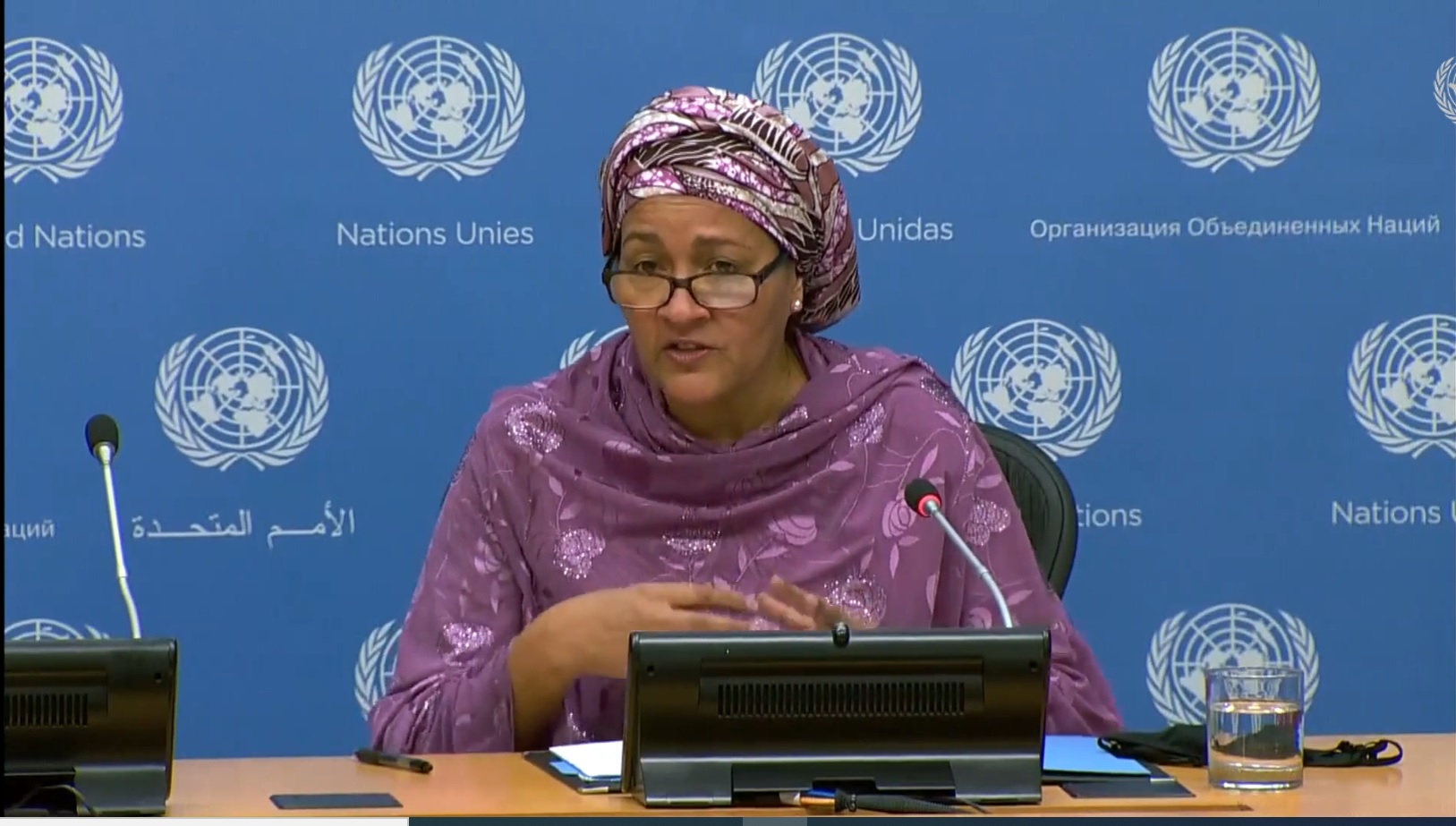
United Nations Deputy Secretary-General Amina Mohammed has disclosed plans to return to Nigeria after completing her tenure at the global body.
Mohammed made this known during an exclusive interview with ARISE News on Monday while discussing her plans after leaving the United Nations and whether she would consider returning to public service.
The UN deputy chief said she intends to use the experience, networks and visibility gained during her decade at the organisation to contribute to Nigeria and the wider African continent.
“I’m coming home, and I’m very happy to do that. Ten years here, I think, has been a privilege,” Mohammed said.
She said her time at the UN had helped create networks and increased visibility for women, Nigeria and Africa, which she hopes to leverage when she returns home.
“It has created networks, it has created a visibility for women and for my country and for the continent, and I want to use that to go back home, both to Nigeria,” she said.
Mohammed described Nigeria as an important country on the continent and said she hopes to contribute to its development while also supporting broader African initiatives.
Other News
“Nigeria is a pretty big country, and it’s a leader in Africa, and so to say that Africa, Nigeria is where I sit, but Africa is my oyster, and I’d like to think that that’s what I could go back and contribute to it,” she added.
Asked whether she would consider running for political office after leaving the UN, Mohammed gave a brief response.
“No, it doesn’t,” she said, indicating that seeking political office was not part of her plans.
Mohammed acknowledged that returning home after a decade abroad may not be easy but said she believes it is the right decision.
“It’s never easy, but it is the right thing to do. And so, yes, that’s what I hope I do,” she said.
Her comments come as she prepares for the next phase of her career following her decade of service at the United Nations, where she has been involved in global development, climate action and efforts to advance the interests of women and developing countries.