Follow Us on Google
By Chinenye Anuforo
Africa’s digital payments sector recorded strong growth in 2024, with instant payment systems across the continent processing nearly $2 trillion, according to the State of Inclusive Instant Payment Systems (SIIPS) 2025 report released by the AfricaNenda Foundation in partnership with the World Bank and the United Nations Economic Commission for Africa.
The report, now in its fourth edition, found that 36 instant payment systems are operational in 31 African countries, including five introduced in the past year. These systems collectively recorded 64 billion transactions in 2024, reflecting rising adoption of digital financial services and growing momentum toward interoperable financial infrastructure.
AfricaNenda’s Chief Executive Officer, Dr Robert Ochola, said the expansion of instant payment systems is transforming economic participation across the continent and improving access to financial services. The World Bank’s Acting Global Director for Finance, Competitiveness and Investment, Niraj Verma, described the progress as encouraging but noted the need for countries to deepen inclusivity, affordability, and innovation in digital payments. He added that regional fast payment models have demonstrated potential for cost-efficient cross-border transactions.
The report found that interoperability has increased, with half of Africa’s instant payment systems now linking banks, mobile money operators, and fintechs. Nigeria’s NIP became the first platform to reach the mature inclusivity level on the AfricaNenda Inclusivity Spectrum, while 10 other systems advanced to progressed levels. More countries are also expanding use cases beyond person-to-person transfers to include merchant payments, government disbursements, and cross-border services.
Other News
Research conducted in Angola, Côte d’Ivoire, Madagascar, and Tunisia indicated that individuals are adopting digital payments faster than merchants, particularly in emerging markets. Adults above 30 and those with regular income remain the most active users, while young adults and women continue to face barriers such as fears of fraud, lack of identification, and limited access to agents. Between 50 and 75 per cent of surveyed cash-first users cited fraud risks as a key deterrent.
UNECA’s Chief of Innovation and Technology, Mactar Seck, said intentional policies are required to ensure digital payments reach underserved populations, including women, youth, informal sector workers, and rural communities.
The report identified opportunities for further expansion through integration of instant payment systems with digital identity frameworks, data protection laws, and other components of digital public infrastructure. It notes that with 36 countries operating instant payment systems alongside digital ID and data protection regulations, coordinated development could strengthen financial inclusion. Scaling government-to-person and cross-border payment use cases will require broader digital identity coverage, regulatory harmonisation, and increased collaboration between public and private institutions.
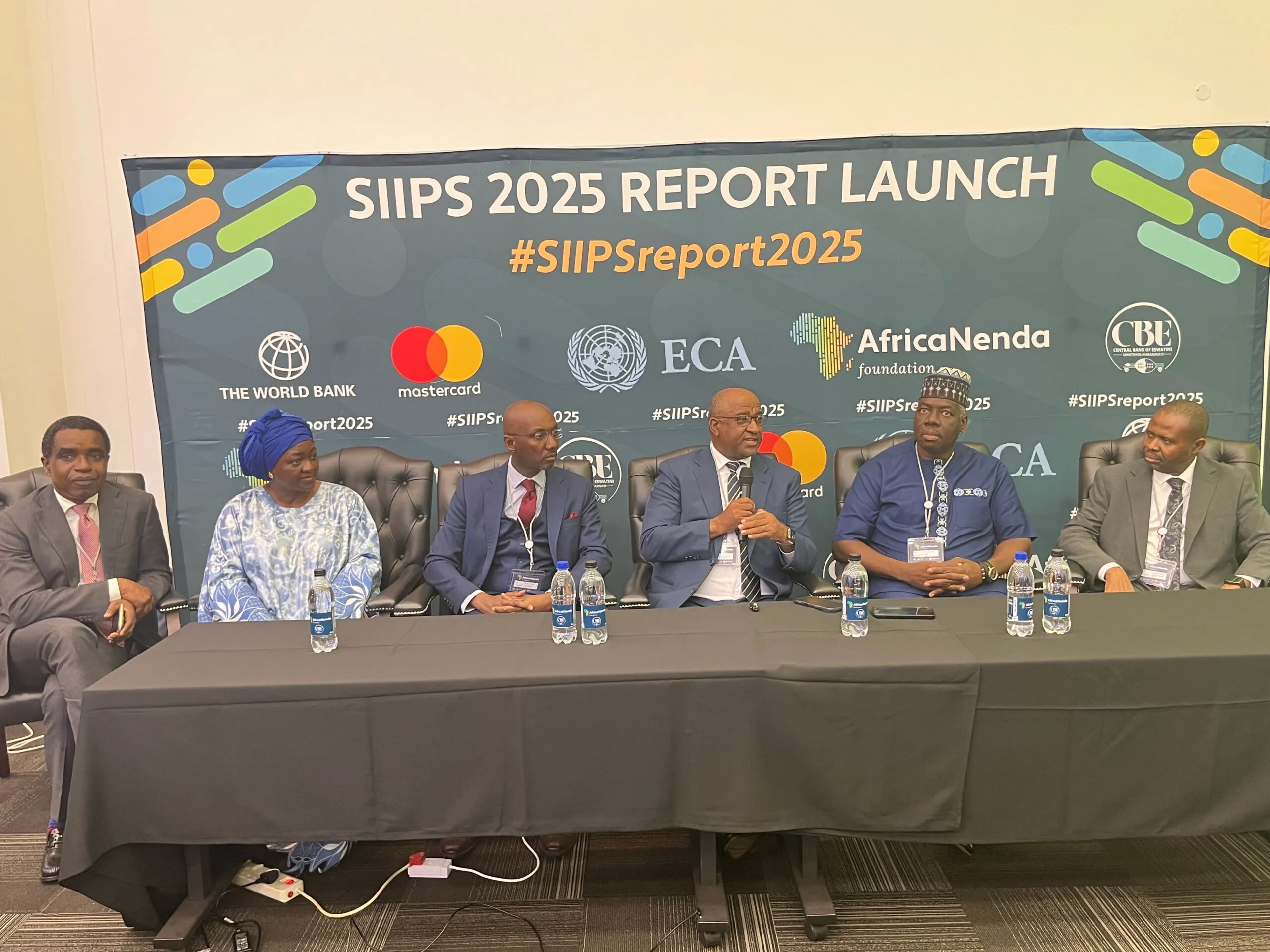
The findings were released during the SIIPS 2025 launch event hosted by the Central Bank of Eswatini from 11 to 14 November, which brought together central banks, payment operators, policymakers, and development partners to discuss the future of inclusive instant payments in Africa.