Follow Us on Google

Nigeria and eight other African countries are set to benefit from a $135 million healthcare investment aimed at addressing persistent shortages of essential medicines and medical equipment across the continent.
The Mohamed bin Zayed Foundation for Humanity announced the commitment at the International Conference on Public Health in Africa (CPHIA), Thursday in Addis Ababa, Ethiopia, saying the investment would help equip more than 500 health facilities with critical medicines, equipment and technologies.
The initiative comes amid significant gaps in healthcare supplies across Africa, where only 35 per cent of essential medicines are available in public health facilities, according to the Foundation.
It also said less than one-third of health facilities across the continent are equipped to conduct basic diagnostic tests, a situation that contributes to treatment delays and limits the ability of health workers to provide timely care.
Nigeria, Ethiopia, Kenya, Liberia, Malawi, Rwanda, Ghana, Sierra Leone and Mozambique are expected to benefit from the investment.
The Foundation said its $135 million commitment was expected to mobilise more than $550 million in additional funding from partner governments and donors, bringing the total expected financing to over $685 million.
Participating governments are expected to contribute at least an equivalent amount of funding, while additional resources will be sourced from development partners.
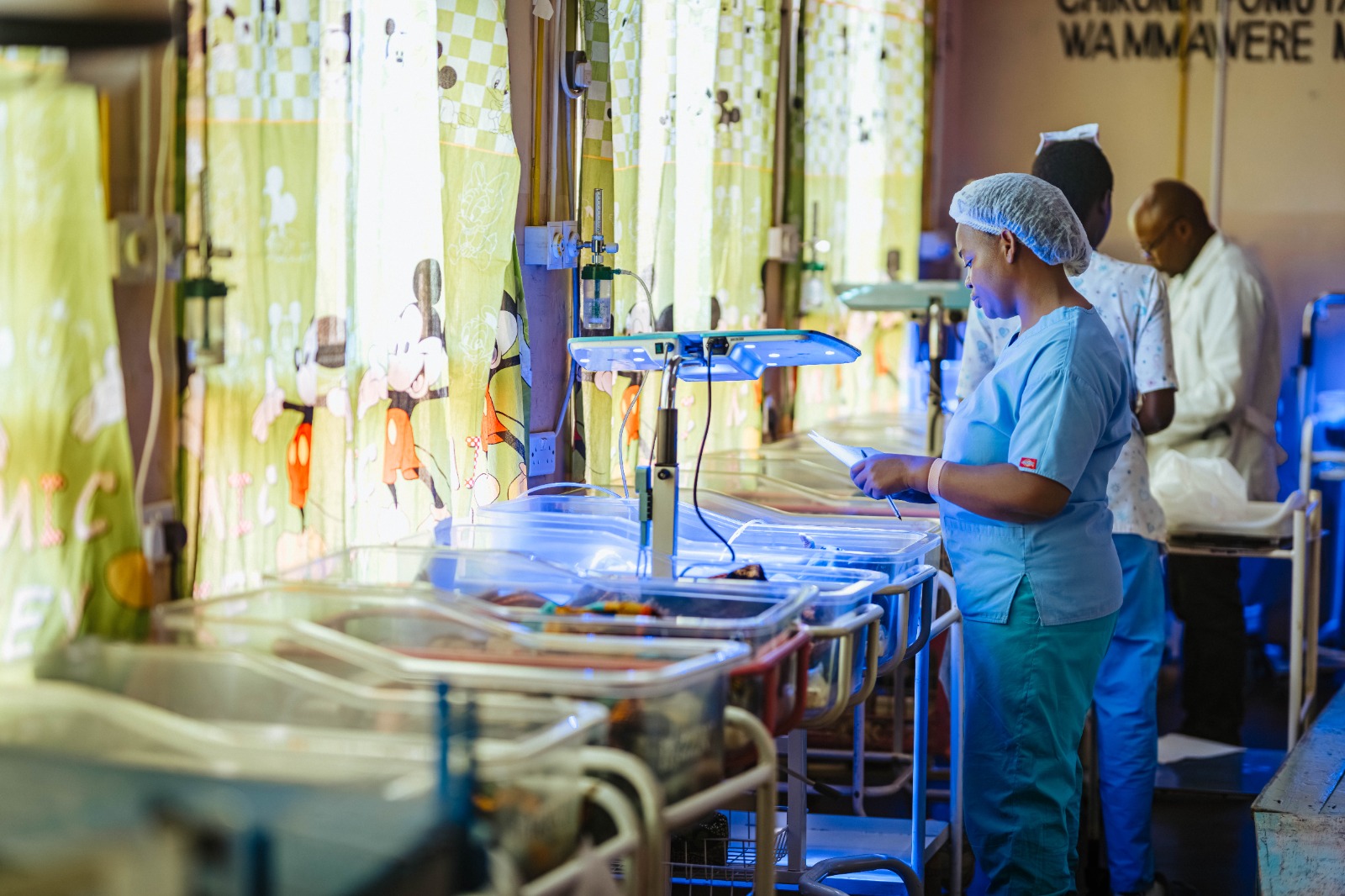
The investment will focus on strengthening maternal and newborn healthcare, improving primary care and ensuring that health workers have access to the tools needed to manage medical emergencies.
Director-General of the Foundation, Dr Shamma Khalifa Al Mazrouei, said the availability of essential medicines and equipment was critical to reducing preventable deaths.
She said: “In partnership with countries, we are working towards a future where no mother, newborn, or child dies from a preventable cause.
“Skilled health workers are essential to this vision, but their ability to save and improve lives depends on having ready access to the medicines and equipment they need.”
Other News
The Foundation said the intervention would build on existing national healthcare programmes and support governments in strengthening the supply of essential health commodities.
In Ethiopia, its $20 million commitment to the Reproductive, Maternal, Newborn and Child Health Compact helped unlock a further $151.2 million from development partners.
The Ethiopian government matched the development partners’ contribution, bringing the total funding mobilised to $342.4 million.
Over three years, the investment is expected to equip about 120 health facilities with lifesaving supplies, including AI-enabled ultrasound machines to help detect pregnancy complications and antibiotics to reduce the risk of sepsis.
In Rwanda, the Foundation’s $15 million commitment will provide essential equipment to 170 health facilities, including district and teaching hospitals, while helping mobilise an additional $40 million.
The investment will support safer childbirth and newborn care, including equipment for managing bleeding after childbirth, incubators and respiratory support for premature and critically ill babies.
In Liberia, a $10 million commitment, alongside donor funding, will strengthen services at the country’s national referral teaching hospital and connected facilities.
The funding will provide technologies to manage complicated births, stabilise critically ill newborns and children, and improve bedside diagnosis.
It will also support clinical mentorship for doctors, nurses and midwives, alongside training in biomedical engineering to ensure medical equipment can be maintained and repaired.
The Foundation said the initiative reflected growing efforts by African governments to combine domestic and donor resources to address healthcare supply gaps and improve the sustainability of essential medical commodities.
For Nigeria, the investment is expected to support efforts to improve access to critical medicines and medical technologies, although the Foundation has not disclosed the country’s specific allocation or the number of health facilities expected to benefit.