Follow Us on Google

Lagos exhibition showcases untapped creative potential
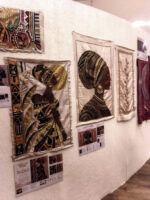
On a cream-coloured wall at the Design Week Lagos 2026 exhibition, richly decorated textile artworks depicting African women command attention. Gold and bronze embellishments, intricate patterns and carefully arranged geometric forms transform the portraits into more than decorative pieces. They tell stories of identity, heritage and the possibilities of translating African aesthetics into contemporary design.
Elsewhere in the exhibition space, furniture and sculptural objects challenge conventional ideas about how everyday items should look. A wooden chair combines functionality with a distinctive form, while sculptural lighting pieces turn familiar household objects into artistic expressions. Another striking piece features a flowing, intertwined structure in reddish brown and white, demonstrating how lighting can serve as both a functional object and a statement of design.
Together, the works offer a glimpse into the possibilities of African creativity when traditional influences meet contemporary thinking.
But beyond their visual appeal lies a bigger question: can Nigeria build an industry capable of transforming such creativity into commercially successful products, sustainable businesses and jobs?
That question took centre stage at Design Week Lagos 2026, which brought together designers, architects, manufacturers and international industry representatives to explore how African creative talent and indigenous materials could contribute to economic development.
Held under the theme, “Making a New Africa: From Material to Market,” the event sought to move the conversation about African design beyond recognition and visibility towards production, commercialisation and industrial growth.
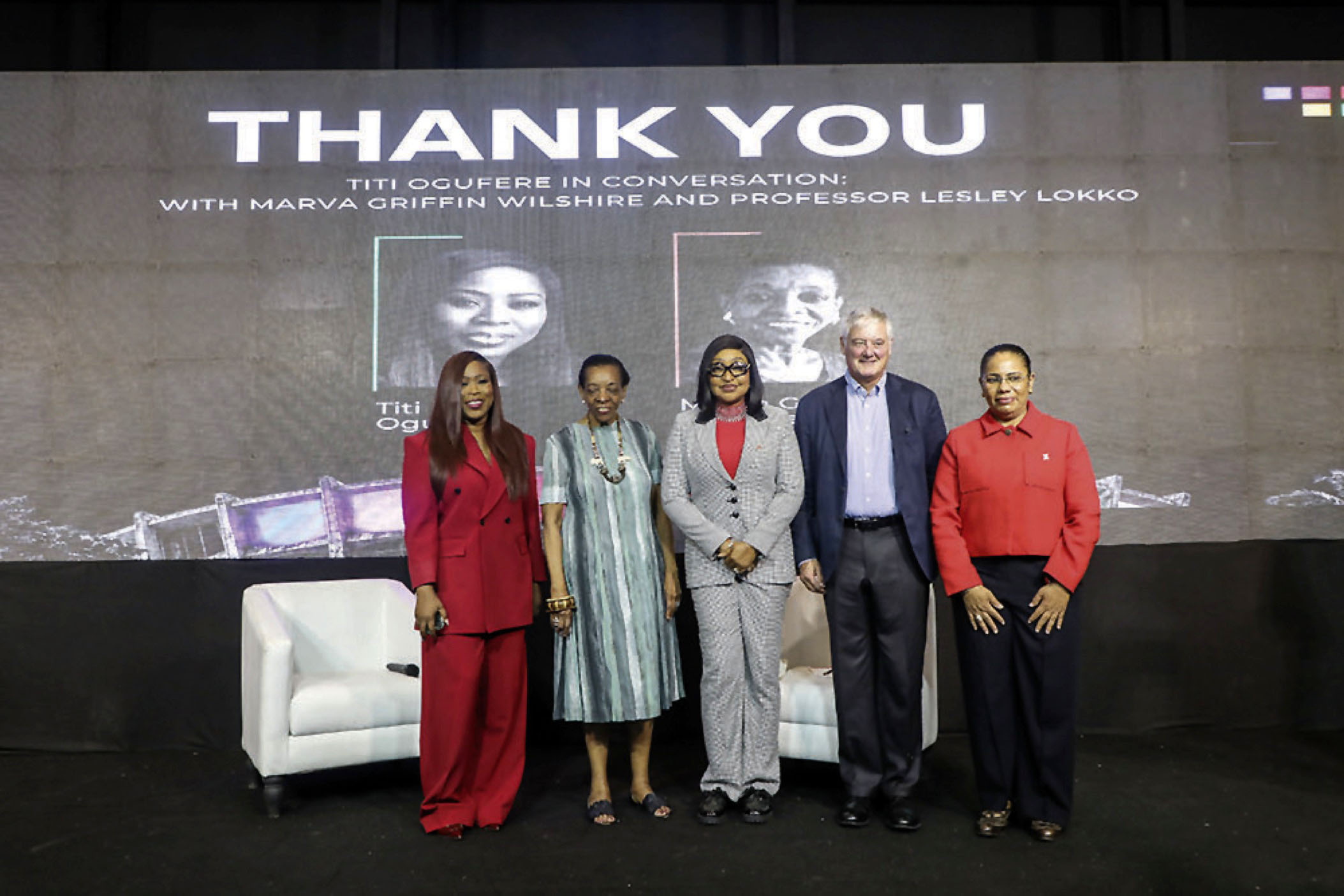
For Titi Ogufere, founder of Design Week Lagos and the Interior Designers Association of Nigeria, the distinction is critical. She believes Africa’s design potential remains underestimated, despite the continent’s abundance of raw materials, indigenous knowledge and creative talent.
“The power of design in Africa is underestimated. People do not know that design is everywhere, through our streets, our cities and everything we do,” she said.
Ogufere argued that Nigeria could unlock significant economic value by investing in design education, encouraging manufacturers to collaborate with designers and developing products from locally available materials.
“If we can get this right in Africa, with all our raw materials and mineral resources, we will fly,” she said.
The exhibition offered a practical illustration of that ambition. Its Design and Innovation Exhibition featured emerging designers whose work ranged from furniture and lighting to other product concepts, highlighting the possibilities of combining creative thinking with functional design.
Some of the pieces on display demonstrated how everyday objects could be reimagined through new forms, materials and production techniques. Others reflected the influence of African heritage and cultural expression on contemporary products.
The objective, however, was not simply to produce visually appealing objects. Ogufere said the initiative was designed to help promising creatives develop prototypes, connect with manufacturers and find opportunities to take their products to market.
One example was a prototype speaker developed by a participating designer that attracted interest from an Italian manufacturer, according to Ogufere. The development illustrated the commercial possibilities that could emerge when designers gained access to international industry networks.
For emerging designers, such opportunities can make the difference between an idea that remains on display and a product that reaches consumers.
Yet, Nigeria’s ability to retain and develop its design talent remains a concern.
Ogufere lamented that many young designers lacked access to an established domestic industry capable of employing them, supporting their work and manufacturing their products.
“My only challenge is that most of them will not last here because there is no industry to integrate them into, and there are no jobs,” she said.
The challenge extends to design education. Ogufere said the slow development of specialised programmes, including product and interior design, had constrained the supply of trained professionals and the growth of the wider industry.
She recalled efforts to support curriculum development at the University of Lagos through collaboration with international academics, while also highlighting partnerships with institutions such as the Royal College of Art and Parsons School of Design to support emerging talent through mentorship and incubation.
For her, design must become part of Nigeria’s broader industrial development strategy, rather than being treated primarily as an artistic pursuit.
Other News
The opportunity is particularly relevant to sectors such as furniture manufacturing, hospitality, property development, textiles and lighting, where locally designed products could serve domestic demand and potentially compete in international markets.
Nigeria’s growing appetite for imported design products highlights the size of that opportunity. Figures presented during the Lagos engagement showed that Italian furniture exports to Nigeria reached €41.6 million in 2025, representing a 27 per cent increase over the previous year.
Nigeria was the fourth-largest African market for Italian furniture exports during the period, while demand for Italian bathroom furniture surged by 108.6 per cent in the first half of 2026.
The figures point to a market in which local designers and manufacturers could potentially capture more value by developing products that meet consumer needs and quality expectations.
Ogufere also identified the hospitality industry as a potential source of demand, arguing that hotels and other commercial developments could incorporate more locally designed furniture, fittings and decorative products.
Such partnerships could provide manufacturers with a market, designers with opportunities to commercialise their ideas and property developers with more locally sourced options.
International engagement is another part of the equation.
Salone del Mobile. Milano, one of the world’s leading design exhibitions, made its Nigerian debut during Design Week Lagos 2026. Its participation brought international design leaders into direct contact with Nigerian architects, interior designers, developers and business stakeholders.
Marco Sabetta, general manager of Salone del Mobile. Milano, said the engagement provided an opportunity for international companies to better understand the Nigerian market while exposing local professionals to global design expertise.

He also disclosed that Nigerian trade visitors to the Milan exhibition increased from 165 in 2025 to 239 in 2026.
The growing participation presents an opportunity to strengthen relationships between Nigerian creatives and international manufacturers, although sustained investment will be needed to translate such connections into local production and jobs.
Moroccan designer Hicham Lahlou also emphasised the importance of integrating design into Africa’s innovation and economic development agenda. He called for greater investment in design education and stronger collaboration between experienced professionals and younger creatives.
Ultimately, the objects displayed at Design Week Lagos suggest that Africa’s design story need not be confined to traditional crafts or cultural representation. African designers can reinterpret familiar forms, experiment with new materials and develop contemporary products for homes, offices, hotels and public spaces.
The larger challenge is creating the conditions that allow those ideas to move from exhibition stands into factories, retail outlets and international markets.
That requires design schools that train skilled professionals, manufacturers willing to invest in innovation, investors prepared to support product development and public policies that encourage local production.
For Nigeria, the task is not merely to showcase creative talent to the world. It is to build an industry in which that talent can thrive, create value and contribute to economic growth.
As Design Week Lagos 2026 demonstrated, the ideas are emerging. The next step is to build the industrial capacity to bring more of them to life.