Follow Us on Google
•UNDP Representative Highlights Need to Combat Corruption and Illicit Financial Flows
From Taiwo Oluwadare, Ibadan
Dr. Ayodele Odusola, United Nations Development Program (UNDP) Resident Representative in Zimbabwe, has emphasized the urgent need for Africa to restructure its economic systems to achieve sustainable development.
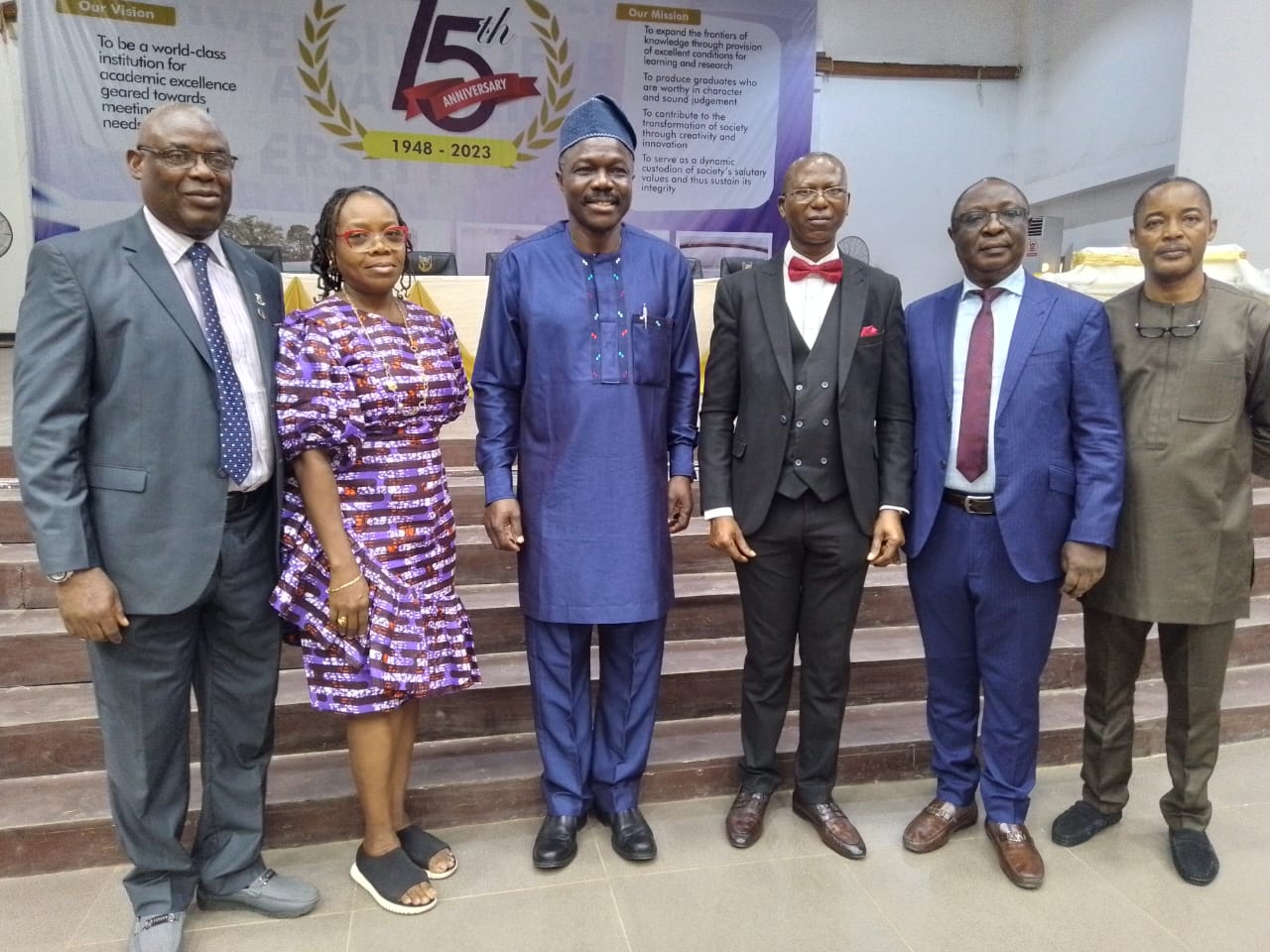
Speaking at the inaugural Faculty Distinguished Personality Lecture hosted by the Faculty of Economic and Management Sciences, University of Ibadan, Dr. Odusola highlighted structural economic transformation as essential for fostering growth and creating decent jobs.
The lecture, titled “The Future of Development Finance in Africa,” explored the challenges and opportunities facing the continent in mobilizing resources for development. Dr. Odusola clarified that his views were personal and not representative of the UNDP, stating, “African countries must rely on their own resources and private financing, supported by innovative strategies, structural transformation, and good governance. This will provide broader choices for development policies and outcomes.”
He stressed the need for African nations to address corruption, eliminate illicit financial flows (IFFs), and shift from dependence on exporting primary commodities. Dr. Odusola argued that Africa’s current economic structure—characterized by supplying cheap raw materials, consuming industrial goods from advanced economies, and importing obsolete technology—has hindered the continent’s role in global value chains.
“The future of development finance in Africa demands a decolonized economic structure. Without genuine structural transformation focused on food, energy, and technological sovereignty, the continent will remain trapped in fiscal and debt cycles, unable to achieve meaningful development,” Dr. Odusola warned.
Other News
He called for a reevaluation of the global financial architecture, urging African nations to avoid distractions from geopolitical tensions and instead position themselves as key players in the Global South. He advocated for policies that make trade a driver of development finance, with institutions like the AFREXIM Bank and pan-African trade organizations spearheading coordinated frameworks to stimulate growth.
Welcoming attendees, Professor Abiodun Folawewo, Dean of the Faculty of Economic and Management Sciences, echoed Dr. Odusola’s sentiments, stating that African leaders must abandon the practice of seeking financial aid from developed nations. “Achieving the aspiration of building the ‘Africa We Want’ requires African nations to mobilize their own financial resources and adopt a transformative approach,” he said.
Professor Kayode Adebowale, Vice Chancellor of the University of Ibadan, represented by Deputy Vice Chancellor (Academic) Professor Aderonke Bayeroju, noted that resource mobilization remains a significant challenge for African countries, especially in the face of fiscal constraints. He lauded the lecture’s relevance to addressing these development gaps.
The event also marked the launch of Reminiscences, a book highlighting the achievements of the Department of Economics. This milestone underscores the Faculty’s growth since its establishment in 2016, showcasing the solid foundation upon which it is built.
Dr. Odusola’s lecture serves as a rallying call for African leaders to prioritize economic independence, combat systemic inefficiencies, and harness the continent’s potential to secure a sustainable and prosperous future.