Follow Us on Google

From Adanna Nnamani and Francis Onyedikachukwu, Abuja
Africa loses between $80 billion and $125 billion annually to corruption and illicit financial flows, the African Union (AU) has disclosed, calling for stronger continental cooperation and practical measures to stem the tide.
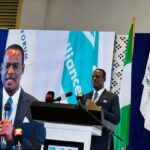
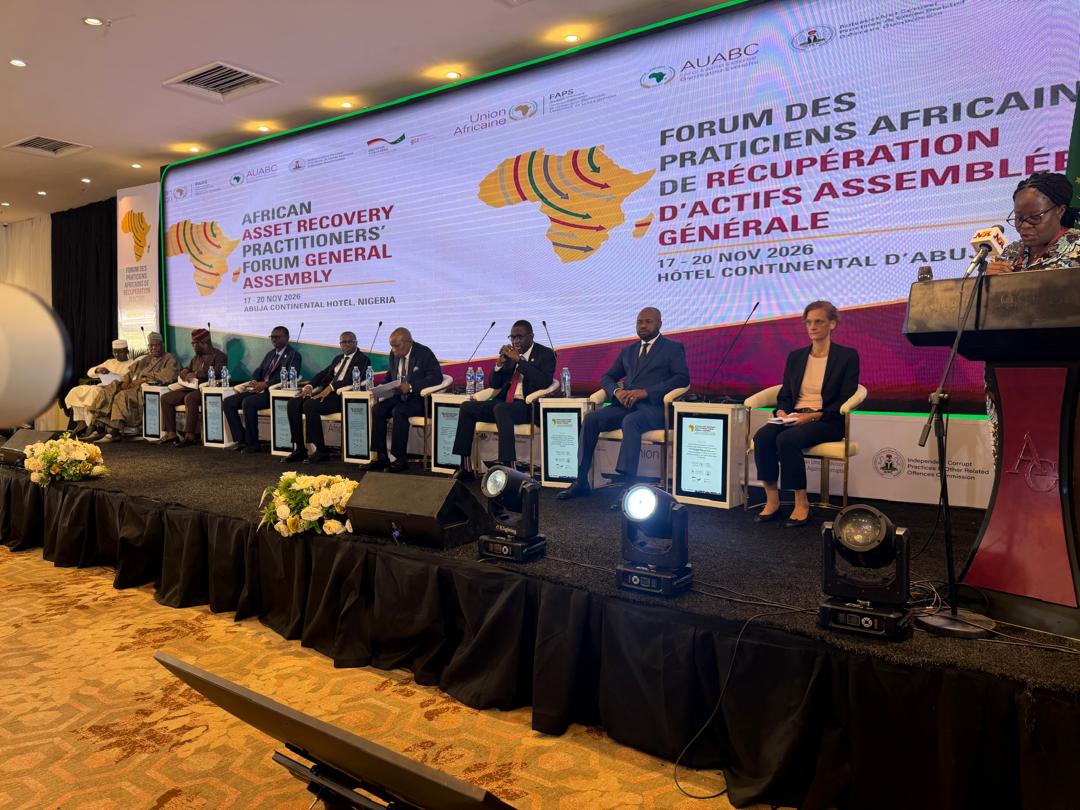
The Chairperson of the African Union Advisory Board Against Corruption (AUABC), Kwami Senanu, made the disclosure at the inaugural General Assembly of the African Asset Recovery Practitioners Forum (AARPF) in Abuja.
Senanu said the scale of financial losses underscored the urgent need for African countries to move beyond policy declarations and strengthen efforts to trace, confiscate and recover stolen assets.
“Neither convictions, nor commitments, nor talk, nor position papers can themselves stem the tide of illicit financial flows in the continent or help us recover a single asset,” he said.
Senanu traced the origins of the forum to a proposal made in Dakar, Senegal, in September 2022, followed by consultations in Dar es Salaam in January 2024 and Addis Ababa in May 2024, where its charter was adopted.
He said the forum was formally launched in Nairobi in April 2025 with the signing of the Nairobi Declaration.
The AU official commended Nigeria for championing the Common African Position on Asset Recovery (CAPAR), which was endorsed by AU heads of state in February 2020.
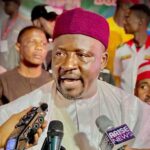
Also speaking at the event, the Chairman of the Independent Corrupt Practices and Other Related Offences Commission (ICPC) and Interim Chairperson of the Forum, Dr Musa Aliyu, said the growing sophistication of cross-border financial crimes made it imperative for African countries to strengthen cooperation in tracing, freezing, confiscating and recovering stolen assets.
He said stolen assets were often moved across several jurisdictions through complex financial arrangements, making it difficult for individual countries to investigate and recover them without international collaboration.
According to him, the establishment of the forum was driven by the recognition that no country could effectively tackle corruption and illicit financial flows in isolation.
Aliyu said asset recovery should not be viewed merely as a law enforcement activity but as an important instrument for national development, accountability and the protection of public resources.
“Every resource lost through corruption represents more than a financial loss. It is an opportunity denied to our people,” he said.
Other News
He explained that funds recovered from corruption could help finance critical sectors such as education, healthcare, infrastructure, security and employment, while strengthening public confidence in government institutions.
The ICPC chairman identified institutional capacity, professional development, operational cooperation, strategic partnerships, legal reforms and sustainable resource mobilisation as six strategic priorities for establishing an effective continental asset recovery framework.
On his part, the representative of the African Union Commissioner, Bankole Adeoye, said asset recovery remained central to Africa’s development ambitions, accountability framework and efforts to strengthen public institutions.
Adeoye disclosed that the African Union Commission was developing a draft CAPAR Compliance Monitoring Tool to help member states assess progress in implementing agreed commitments.
He said the commission was also undertaking a continental study on mutual legal assistance to identify challenges and opportunities for improving cooperation in criminal investigations, asset tracing and recovery.
According to him, stronger international cooperation, beneficial ownership transparency, financial integrity, inclusive international tax cooperation and institutional capacity were essential to addressing illicit financial flows.
He stressed that the success of asset recovery should not be measured solely by the value of recovered funds but also by how effectively such resources improve public services, strengthen institutions and promote development.
Meanwhile, Germany reaffirmed its commitment to supporting African institutions in strengthening asset recovery systems and combating illicit financial flows.
Speaking on behalf of the German government and the German development agency, GIZ, Dr Karin Jansen described the establishment of the forum as an important milestone in Africa’s collective response to corruption and financial crimes.
She identified improved operational capacity, stronger cooperation, effective management and return of recovered assets, as well as accountability and knowledge sharing, as priorities for strengthening the continent’s asset recovery efforts.
Jansen stressed that asset recovery must not end with confiscation, noting that recovered assets must be properly preserved, managed and transparently returned to ensure they deliver meaningful benefits to citizens.
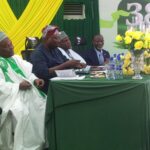
The four-day assembly, hosted by the ICPC, brought together anti-corruption agencies, prosecutors and development partners from across Africa to strengthen cooperation in recovering assets stolen through corruption.