Follow Us on Google
For years, Nigerian wardrobes have quietly doubled as untapped warehouses of value, packed with designer dresses, luxury handbags, shoes, suits and other fashion pieces that are often worn once and forgotten. But while their owners move on to newer purchases, those items remain locked away, losing relevance and, in some cases, deteriorating from prolonged storage.
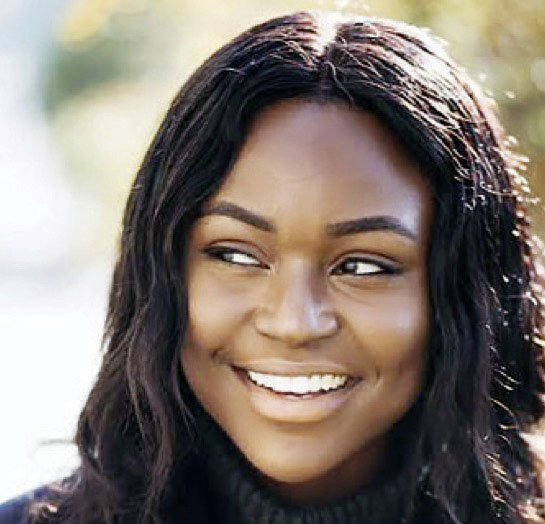
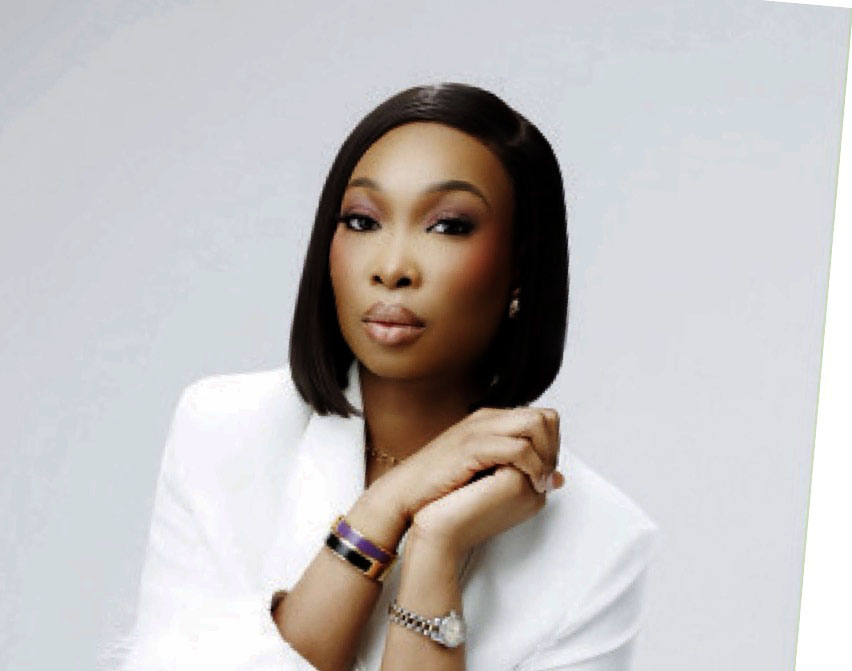
Changing this narrative is Oluyemisi Fadahunsi, a lawyer and fashionista who is currently the Head of Corporate, Commercial and Governance Legal at African Industries Group, one of Africa’s leading industrial conglomerates.
She is also the founder of Eko Fashion Loop, a curated fashion platform built around a simple but powerful idea: great fashion should not end with its first owner.
Fadahunsi argues that circular fashion is not simply an environmental conversation. It is also about access, affordability, financial value, Nigerian creativity and preserving the stories behind garments.

In this interview, Fadahunsi speaks about the inspiration behind Eko Fashion Loop, the untapped value sitting in Nigerian wardrobes, the stigma surrounding preloved fashion, the challenge of trust and authenticity in resale and why she believes Africa has an opportunity to develop its own model of circular fashion, among other issues.
Why do you believe now is the right time for Africa to embrace circular fashion?
Because we can leapfrog. We don’t need to drown in textile waste first like the Global North did. Because Africa is uniquely positioned to benefit from it.
We have one of the youngest populations in the world and that generation is more connected than any before it. Through social media, e-commerce, and global culture, young Africans know the brands, designers, and fashion trends they love, regardless of where they live.
At the same time, there is growing awareness around value and more intentional spending. People are becoming increasingly conscious of how they consume. They want quality, they want access, and they want their money to go further.
What’s interesting is that circularity is not entirely new to us. Africans have always understood the idea of extending the life of clothing. We hand pieces down to siblings, cousins, friends, and family members. What is changing now is that technology allows us to do that at scale.
For me, circular fashion is about democratising access. It allows someone who may not be able to afford a designer piece at full retail price to own and enjoy it. It allows someone else to unlock value from something they no longer wear. Everybody wins.
Africa doesn’t need to copy the West’s journey. We have an opportunity to build our own version of circular fashion, one that combines community, commerce, sustainability, and access. And I believe that time is now.
What are some of the most common misconceptions people have about resale, preloved and circular fashion in Nigeria?
The biggest misconception is that buying preloved fashion means you cannot afford to buy something new.
For a long time, second-hand clothing has carried a stigma. Some people associate it with financial hardship rather than seeing it for what it can be: a smart, intentional purchasing decision. In reality, some of the world’s most sophisticated fashion consumers actively participate in the resale market. Collectors seek out vintage Chanel and Hermès pieces, and certain rare or discontinued styles can command prices equal to or even higher than newer versions because of their craftsmanship, rarity, and collectability.
Another misconception is that if you’re selling clothes, it means you’re broke or in urgent need of money. I think that’s a narrative we need to change. Selling items you no longer use is simply good financial sense. We do it with cars, phones, electronics, furniture, and even property. Fashion should not be any different.
Many people also underestimate the value sitting in their wardrobes. A dress you wore once to a wedding, a handbag you no longer reach for, or a pair of shoes sitting untouched in a box could be exactly what someone else is looking for. Rather than letting those items sit unused or deteriorate over time, why not unlock their value and give them a second life?
At Eko Fashion Loop, we’re helping to reframe the conversation. Buying preloved is not a sign that you can’t afford new. Selling preloved is not a sign of financial distress. Both are smart, conscious decisions that allow people to maximize value, reduce waste, and make fashion work harder for them.
Ultimately, we want people to see their wardrobes differently, not just as collections of clothing, but as assets with the potential to continue creating value long after the first wear.
What inspired the creation of Eko Fashion Loop?
Eko Fashion Loop is a curated preloved fashion platform that gives great fashion a second life. We create a trusted, stylish, and convenient marketplace where people can buy and resell quality fashion pieces, unlock value from their wardrobes, and participate in a more circular way of consuming fashion.
The idea was born from my personal relationship with fashion. About ten years ago, I realised I had beautiful, fashionable pieces sitting in my wardrobe that I simply wasn’t wearing. At the same time, access to international brands and high-fashion pieces in Nigeria was very different from what it is today. Unless you travelled frequently, knew someone who did, or were willing to pay significant markups through a handful of retailers, many of the brands we love today were not easily accessible.
Because those pieces were harder to come by, every purchase felt intentional. Over the years, I invested in building a wardrobe I genuinely loved. But like many women, I bought clothes for weddings, birthdays, holidays, career milestones, future plans, and sometimes even for the woman I hoped to become, perhaps two dress sizes smaller.
As my wardrobe grew, I noticed something interesting. Many of these beautiful pieces had barely been worn. Some still had tags attached. Others had only been worn once and then forgotten. What struck me even more was that I wasn’t alone. So many people around me had wardrobes filled with valuable pieces sitting idle, while others were actively searching for exactly those items.
What started as a personal observation ten years ago has become an even bigger reality today. We now live in an age of unprecedented consumption. We are constantly exposed to new trends, social media influence, endless shopping options, and the idea that we always need something new. Our wardrobes are fuller than ever, yet many of us wear only a fraction of what we own.
Other News
Although I had started operating on a smaller scale years ago, there was a defining lightbulb moment when I realised there was immense value locked away in people’s closets and a real opportunity to connect that value with people who would genuinely love and wear those pieces.
That realisation led to the rebranding and expansion of Eko Fashion Loop. We wanted to widen the net of people who feel welcome in our community by giving great fashion a longer life, helping both women and men unlock value from their wardrobes, and proving that style does not have to end after a single wear. Fashion deserves to be worn, loved, shared, and re-circulated.
What specific gap in Nigeria’s fashion ecosystem does Eko Fashion Loop seek to address?
The biggest gap we are addressing is helping people recognise that they are sitting on value.
Many of us have wardrobes filled with beautiful clothing, designer pieces, occasion wear, handbags, shoes, and accessories that we no longer use, yet we do not see them as assets. When it’s time to declutter, we often give them away during charity drives, pass them on to family members, or simply leave them hanging in our closets. While there is nothing wrong with generosity, most people never stop to consider that there is real financial value sitting in those wardrobes.
The second gap is wastage. Too many quality pieces are left unused for years until heat, humidity, mould or poor storage conditions damage them beyond repair. By the time someone decides to let them go, they are no longer in a condition to be enjoyed by someone else.
Eko Fashion Loop is helping to change that mindset. We want people to see fashion as something that can continue creating value long after the first wear. We already understand this concept with cars, electronics, furniture, and even property. We comfortably buy and sell pre-owned assets because we recognise their value. Our question is: why should quality fashion be any different?
At the same time, we are encouraging a more sustainable approach to consumption. Instead of letting great pieces sit unused or end up as waste, we help keep them in circulation where they can be worn, appreciated, and enjoyed again. Whether it’s a luxury handbag, a beloved Zara dress, or a beautiful piece from a Nigerian designer, every item deserves the opportunity to have a longer life.
Ultimately, Eko Fashion Loop is about creating a culture where people see their wardrobes not as storage spaces, but as living assets that can generate value, reduce waste and continue telling their story through someone new
Was there a defining moment that convinced you that circular fashion was needed in Nigeria?
Yes. The defining moment was realising just how much opportunity exists on both sides of the fashion equation and how disconnected those two groups are.
Nigeria has one of the youngest populations in the world. We have millions of students, young professionals, entrepreneurs and creatives who are more connected to global fashion than ever before. Through social media and the internet, they know the brands, designers, and styles they love. They have wish lists. They have fashion aspirations. But access is not always easy, whether because of price, availability, or both.
At the same time, there are people with beautiful, high-quality pieces sitting in their wardrobes that they no longer wear. Some are luxury items. Some are high-street brands. Some are stunning pieces from Nigerian designers that have only been worn once or twice.
The lightbulb moment was realising that our job is simply to bridge that gap.
Why shouldn’t an Ejiro Amos Tafiri dress that is no longer being worn find its way to a university student looking for the perfect prom outfit without breaking the bank? Why shouldn’t a quality handbag, blazer, or occasion dress continue its journey with someone who will genuinely love it?
That’s when I understood that circular fashion is not just about sustainability. It’s about access, value, and extending opportunities. It is about connecting people who are ready to let go with people who have been hoping to own something special. Eko Fashion Loop exists to create that connection and ensure great fashion continues to be worn, appreciated, and enjoyed long after its first owner.
How does the initiative align with global conversations around sustainability and responsible consumption?
The global fashion industry is undergoing a major shift. The conversation is no longer just about producing new clothes more sustainably. It’s increasingly about extending the life of the clothes that already exist.
Today, the global secondhand apparel market is worth hundreds of billions of dollars and is projected to reach approximately $367 billion by 2029, growing significantly faster than the broader fashion industry.
How does Eko Fashion Loop celebrate Nigerian creativity and fashion culture?
By giving Nigerian designers a second life. Some of our most coveted pieces are from designers like Lisa Folawiyo, Banke Kuku, and Ejiro Amos Tafiri.
When you buy a Nigerian designer piece new, you support them once. When you loop it, you extend their legacy, make their work more accessible, and preserve fashion history. We are archiving Nigerian fashion through circulation.
What role can African designers play in shaping the future of sustainable fashion?
African designers already understand something that much of the fashion industry is now rediscovering: longevity, craftsmanship, and storytelling. Many of our designers create pieces that are designed to be cherished, re-worn, and passed down, not discarded after a single season. At a time when consumers are becoming increasingly conscious of waste and overconsumption, those values are more relevant than ever.
The world is growing tired of disposable trends. People are looking for meaning, authenticity, and connection in what they wear. African fashion has always offered that through culture, craftsmanship, and storytelling.
I believe the next opportunity for African fashion is to build strong resale, archival, and storytelling systems around our designers’ work, just as global luxury houses have done for brands like Chanel and Dior. When a garment’s story continues beyond its first owner, its cultural and commercial value grows.
If we get that right, African design won’t just participate in the future of sustainable fashion, it will help define it. We have an opportunity to create a fashion ecosystem that values story over speed, longevity over disposability, and heritage over hype. That’s a future I would love to see.