Follow Us on Google
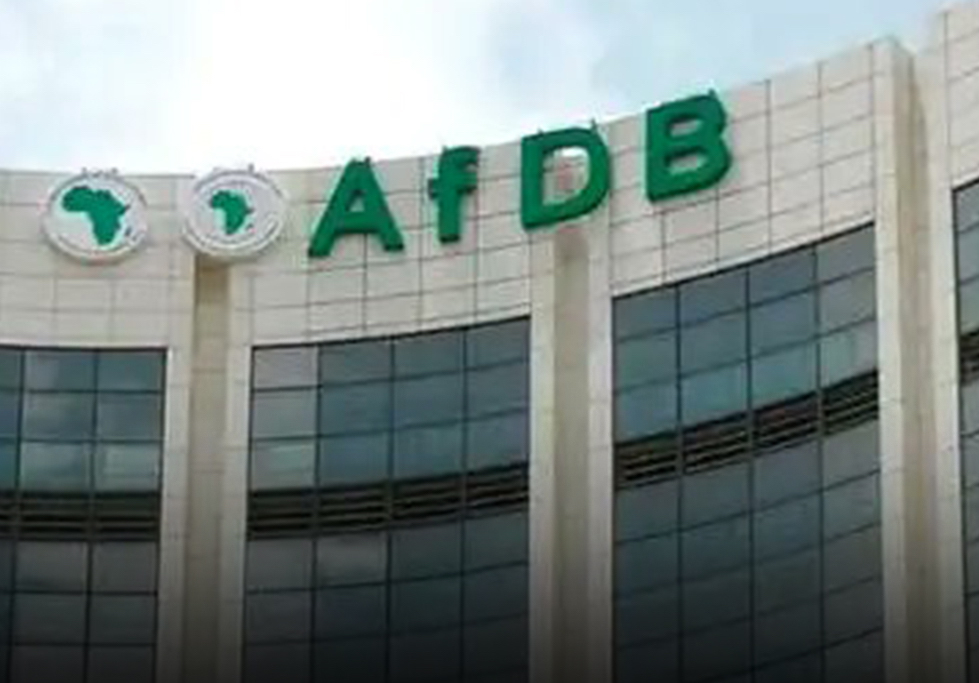
The Board of Directors of African Development Bank (AfDB) recently approved a $200 million financing facility for the Bank of Industry (BoI), to expand access to long-term financing for Small and Medium Enterprises (SMEs) operating in key growth sectors of the economy. The credit line is essentially aimed at driving Nigeria’s industrial transformation by providing funding in critical sectors, including infrastructure and transport, agro-food processing, health and pharmaceutical value chains and green industrialisation that involve the process of transforming traditional, carbon-intensive manufacturing and economy sectors into sustainable environmental friendly operations.
Also, the credit line prioritises the growth and development of SMEs, especially those owned by women and youth-led enterprises, with at least 30 per cent of the proceeds expected to benefit small businesses in the country. This, the bank said, will help ease persistent funding gaps and unlock new entrepreneurship opportunities. In addition, the facility will support climate-resilient, including renewable energy, energy-efficient industrial processes. These investments are expected to improve productivity and reduce dependence on imports chain.
Undoubtedly, this will boost SMEs owned by women, and enhance BoI’s impact measurement system. Beyond that, the credit package will be strengthened by a five-year Country Strategy Paper (2025-2030) worth $650,000 technical assistance grant annually from the Fund for African Private Sector Assistance (FAPA) to drive overall economic transformation. Millions of Micro, Small Medium Enterprises (MSMEs) will benefit from improved market opportunities, business skills, and value-chain enhancements that the strategy creates.
It may be recalled that over the last five years (2021-2025), AfDB had committed an estimated $261 million in targeted credit facilities and financing packages in Nigeria specifically designed for SMEs and MSMEs alongside a broader multi-billion dollar country strategy to boost the private sector. The most recent $200m is just the largest of such lifelines in recent years.
Other News
Before the $200m credit line, AfDB had approved $61 million in financing package for the Development Bank of Nigeria (DBN), which features a $50m gender-focused line of credit and $11m in concessional facilities to expand access to credit. Both facilities are designed to overcome what the bank called persistent “patient capital” funding gaps in key sectors of Nigerian economy. All of this strengthens the ever-increasing role of SMEs in the economy. According to the National Bureau of Statistics (NBS), SMEs contribute 48 per cent of Nigeria’s GDP, and account for 96 per cent of businesses, 50 per cent of industrial jobs, and nearly 90 per cent of the manufacturing sector, in terms of the number of enterprises. The 48 per cent to national GDP represents almost half of everything the Nigerian economy produces. It is a testament to the collective power of these small businesses, from the small shop owner to the tech startup.
This massive contribution is not just about the money, it is about the services provided, the goods produced, as well as the value created within the communities across the country. However, despite their significant contribution to the economy, challenges that hinder the SMEs remain. These include lack of skilled manpower, multiplicity of taxes, high cost of doing business, especially high energy cost that makes it really expensive for the MSMEs to operate. Perhaps the biggest hurdle is what is called the “missing middle,” that is, lack of funding that they need to grow. It holds back a lot of promising businesses. According to the 2010 national survey report conducted by the NBS, in collaboration with Small and Medium Enterprises Development Agency of Nigeria (SMEDAN), the SMEs in the country are strategically positioned to absorb up to 80 per cent of jobs, improve per capita income, increase value addition to raw materials supply, improve export earnings, enhance capacity utilisation in key industries, and unlock economic expansion and GDP growth.
In all, AfDB deserves commendation for providing the much-needed funding. However, transparency in the disbursement of the facility is of paramount importance so that the targeted SMEs will benefit. For the SMEs operators, the credit line should not be seen as a ‘Christmas gift.’ They need reminding that this is a loan through the BoI, and should be seen as a test of the character and operational discipline to prove their performance.