Follow Us on Google
From Juliana Taiwo-Obalonye, New York
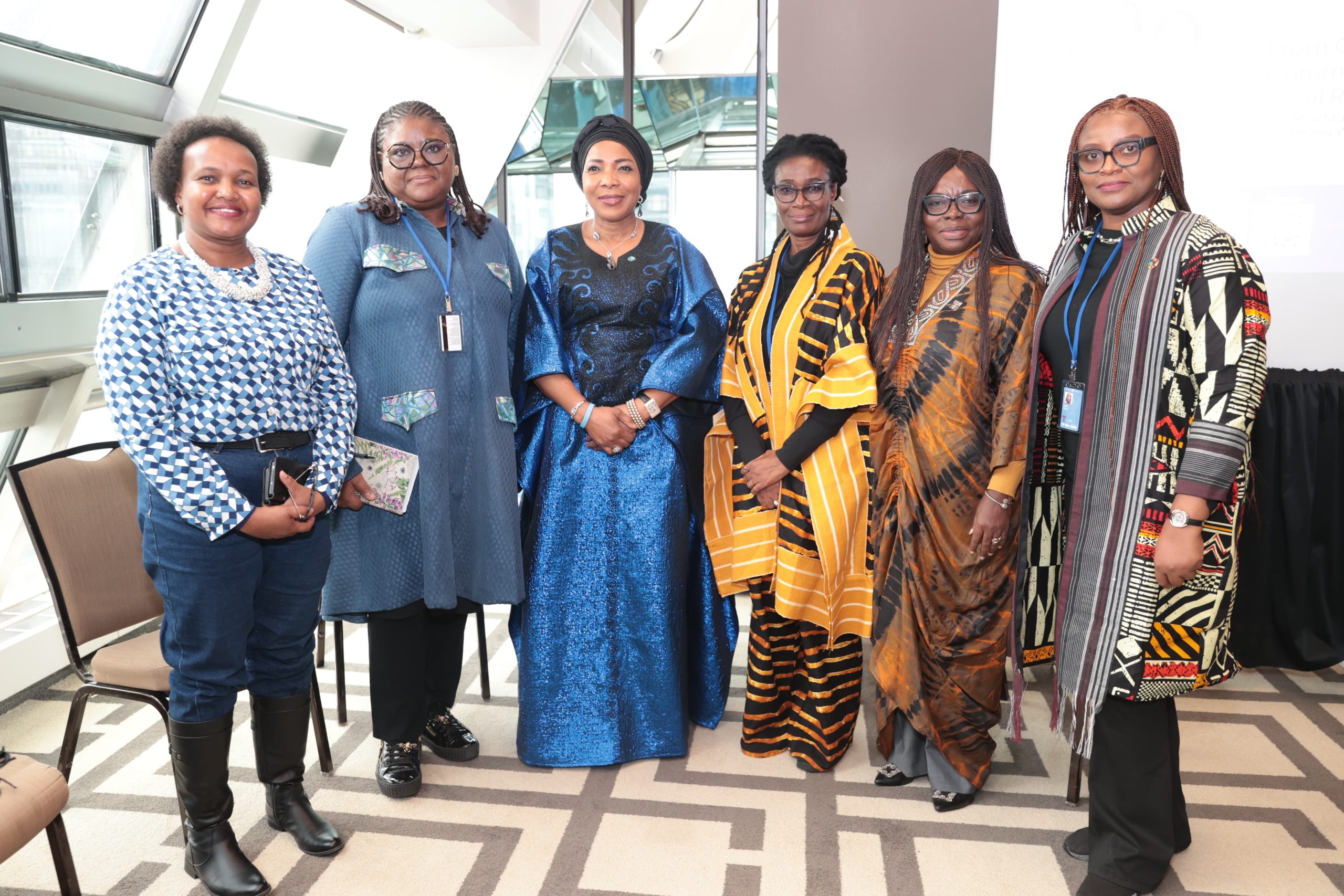
Wife of the Abia State Governor, Lady Priscilla Otti hosted Monday’s CSW70 side event, themed, “From Global Commitment to Local Result: Abia State Experience in Advancing Women and Girls Rights,” spotlighting subnational systems that turn global pledges into violence prevention and survivor support.
Through her ‘Safe Tent Care Initiative and Vision Spring Initiatives,’ she emphasised subnational action amid CSW70’s justice theme, showcasing Abia’s model of integrated protection.
Mrs Otti, Chair of Abia State’s Gender-Based Violence Committee, underscored personal and governmental recommitment, saying, “In my role as Chair of the Abia State Gender-Based Violence committee, I remain personally committed to strengthening systems that prevent violence and support survivors.”
She linked her Drug Control Committee role to vulnerability, saying, “The state recognises the growing connection between drug abuse, trafficking and the vulnerability of young women and girls. Addressing gender-based violence and tackling drug abuse must, therefore, go hand in hand if communities are to be protected and the future of our young people safeguarded.”
She detailed justice innovations, saying, “With the support of the European Union-funded Rule of Law and Anti-Corruption ROLAC programme, the government launched the Nchedo Sexual Assault referral centre, a one-stop facility that provides medical treatment, psychosocial care, protection services, legal aid and financial support for survivors of sexual violence. This integrated approach, reflects the state’s commitment to ensuring that survivors receive comprehensive support and access to justice. In addition, the government has established a sexual offenders register and strengthened relevant laws and institutional frameworks to ensure that perpetrators of sexual violence are held accountable and that survivors receive justice.”
Tying violence to economics, she vowed, “One important lesson from our work is that economic vulnerability often lies at the heart of many cases of gender-based violence. Through my interaction with young women seeking employment within the government house, I have observed that many young girls who come looking for domestic work are not pursuing it as a long-term career. When poverty tightens its grip, many things can go wrong. Some girls delay their education, some are pushed into unsafe relationships, others become victims of trafficking and exploitation. In some of the most heartbreaking cases, young girls are recruited into the so-called baby factories where they are forced to carry pregnancies and their babies are sold, sometimes for as little as N350,000, which is about $240.”
Her solution: “This is why economic empowerment is not just development policy, it is protection. Through my initiative, the Safe Tent Care Initiative programmes are being implemented that focus on skill development, economic empowerment and support for women-led livelihoods, helping women move from vulnerability to independence.”
Queen mother, Dr. Delois Blakely rallied: “Bond as one. Nigeria is the largest group of Africans of your continent; Mamas, daughters, girls, children. This is your time; from your womb you hold life. Women, rebirth is taking place.”
Rosa Lizarde of Feminist Task Force detailed CSW70 mobilisation, saying, “We place gender equality at the core of the poverty eradication agenda. We invite the partnership. We have our arms open.”
In a panel conversation moderated by Inimfon Etuk of She Forum Africa, panelists dissected Africa’s gender equality journey, recommitting to systems that empower survivors of violence through accountability, resources and partnerships.
Dr. Afua Ansre, UN Women Ghana Senior Gender Specialist, celebrated milestones, saying, “I think we’ve come a long way with gender equality in Africa. We’ve come a long way from when the UN was put in place to our independence, 1975. We had the international decade of women, 1985. Nairobi forward looking structure, Beijing in 1995. We’ve come a long way since then and we have made strides.”
She highlighted mixed results: “If you look at women’s political participation in places like Ghana, Nigeria, we are not doing very well. But if you look at education, in some places, there are more girls in primary schools than boys. Violence against women, we heard our first lady talk about the progress but we also have gone back a bit with COVID. The UN Women is estimating 80 to 100 years recovery.”
Ansre called for collaboration, saying, “We need to consolidate the gains. We need to gain traction. Women in government need to work with women. The government people, you are their duty bearers. Civil society groups will make sure that we hold you to account.”
Mrs Inime Aguma, FIDA International Treasurer, identified core obstacles, saying, “FIDA is doing a lot of work in Nigeria but there are setbacks. One of the setbacks is the culture of silence. We have laws, we have policies. Our problem is getting the woman to stand for her rights.”
Aguma unpacked fears: “They are afraid of economic strangulation; afraid of alienation from their homes. It actually starts from the home. We have cases where a man defies all his daughters and the wife is begging. A landlord violates a tenant’s daughter and the tenant is settling for free rent.”
Her solutions: “We must provide institutional support. The first lady had told us about her safe shelter and we should have more. We need to know what is happening with gender-responsive budgeting and also family planning is key to development.”
Rachael Kagoiya, CTDT Kenya Strategic Partnership Advisor, noted CSW shifts: “I’m delighted to be in this year’s CSW. There’s a silence in terms of the number of people. We are less this year; CSW has been meeting every year for the past 70 years.
“Before we land here, there is a process that starts way back at home. The greatest challenge is we are stuck at the agreed conclusions. Programming without resources? It is just hot air.”
Kagoiya pushed honesty: “We need to be vulnerable when we come here to say actually in my government we are failing women. How many safe houses have no budget? How many are re-victimising the survivors? We need the government, private sector, and civil society in their diversity.”
Ngozi Nwosu-Juba, Vision Spring Initiatives Executive Director, stressed execution: “The first thing is you must have open doors; someone who is open will move from passion to commitment.”
She touted Abia’s model, saying, “Social protection for the elderly, they are ensuring nobody’s left behind. Young women who are falling pregnant are being empowered to learn a skill. When women are in leadership, they remember the vulnerable.”
Audience voices reinforced urgency: Nurse Adama Oji tied infrastructure to empowerment. Dr. Charity Binka sought to map good practices for faster progress and Halima Aliyu from Nigeria’s Ministry of Finance advocated gender-inclusive plans in budgeting. The panel crystallised a collective call, saying survivor-centred systems demand resources, accountability and cross-sector collaboration to turn global words into local safeguards.