Follow Us on Google
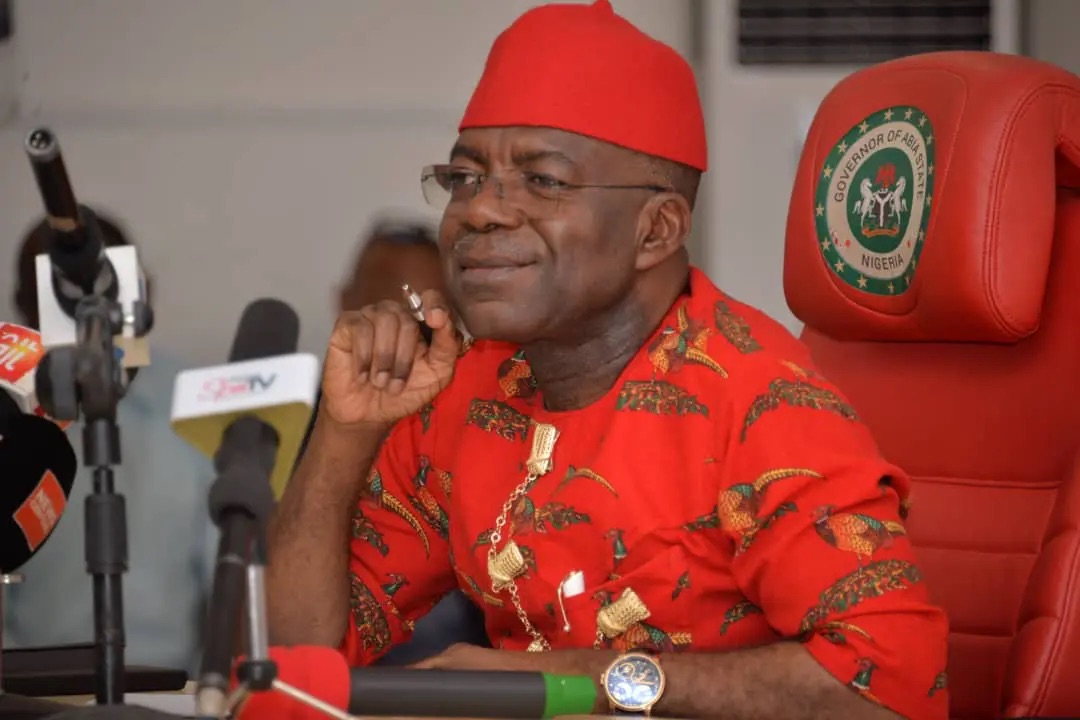
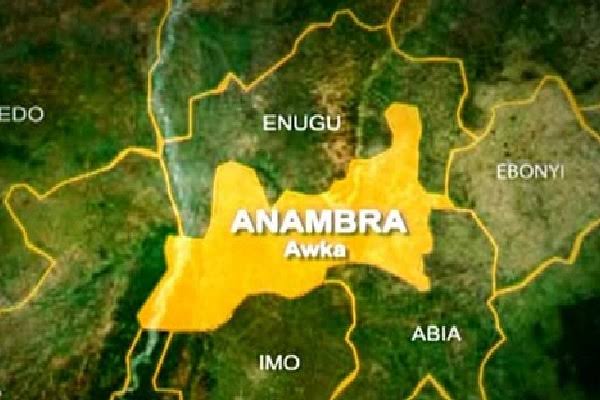
Communities in Ukwa-East and Ukwa-West local government areas of Abia State have called on Governor Alex Otti’s administration to address persistent infrastructure deficits and translate the state’s resources into tangible improvements in their living conditions.
The call was made on behalf of the communities by a public affairs analyst and community leader, Johnmartins Ijere, during a town hall meeting, yesterday, in Akirika-Obu, Ukwa-East LGA, to discuss the developmental challenges facing the two oil-bearing local government areas.
Speaking on the theme “The Forgotten People of Abia State,” Ijere said residents continue to grapple with inadequate roads, limited access to healthcare, poor educational infrastructure, unreliable electricity, and insufficient economic opportunities despite the economic importance of their communities.
He illustrated the human impact of the challenges, noting that poor roads could prevent farmers from getting their produce to market, while inadequate healthcare facilities could make medical emergencies more difficult to manage. He also expressed concern that limited opportunities could force young people to leave their communities in search of a better future elsewhere.
He said the people of Ukwa-East and Ukwa-West deserve to experience measurable improvements in their daily lives, rather than continue to wait for the fulfilment of promises made by successive administrations.
While acknowledging that Abia State inherited significant developmental challenges from previous governments, Ijere argued that such problems should not become a perpetual justification for unmet expectations under the present administration.
He questioned the argument by supporters of Governor Otti that three years was insufficient to reverse decades of infrastructural neglect, insisting that the period should be enough to demonstrate meaningful progress and establish clear development priorities.
Ijere observed that Ukwa-East, predominantly inhabited by the Ndoki people and Ukwa-West, home to the Asa people, occupy an important position in Abia’s oil and gas economy, making the need for equitable development particularly compelling.
“We cannot continue to celebrate the wealth beneath our soil while ignoring the conditions above it,” he said, highlighting what he described as the gap between the economic importance of the area and the living conditions of its people.
Ijere called for sustained investment in rural roads, functional schools, accessible healthcare facilities, clean water, and reliable electricity, stressing that these basic amenities were essential to improving livelihoods and stimulating economic activities.
The community leader also raised concerns about the distribution of public resources across Abia State’s 17 local government areas, arguing that equitable development should take into account the varying levels of infrastructure deficit and historical neglect in different communities.
He maintained that fairness did not necessarily require every local government area to receive identical projects at the same time, but demanded deliberate efforts to address the needs of communities with the most significant developmental gaps.
Other News
On public finance, Ijere referred to estimates of federal allocations received by the state under successive administrations, questioning whether the resources available to the government were producing sufficient results for residents.
He acknowledged, however, that federal allocations were only one component of state revenue, alongside internally generated revenue, grants, loans, and other receipts, adding that a proper assessment must consider government expenditure, financial obligations and projects delivered.
He consequently urged the state government to publish transparent records of development spending across the local government areas, including the projects completed, those under construction, expenditure incurred and expected completion dates.
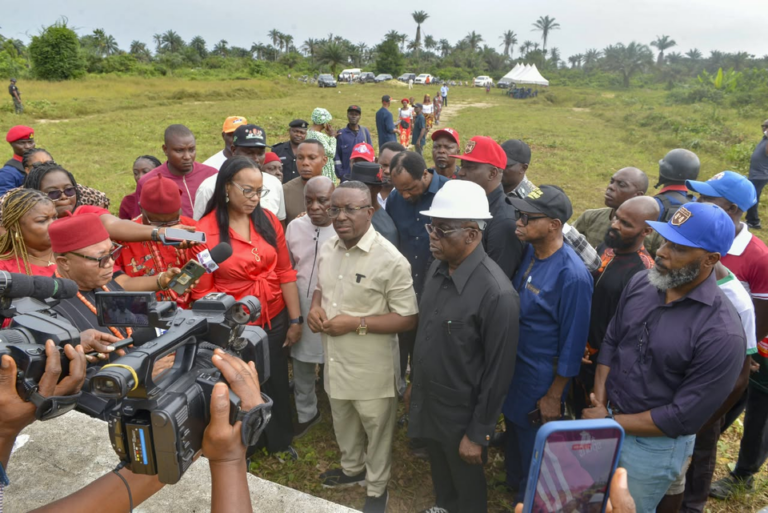
Ijere acknowledged interventions by the Otti administration in two areas, including electricity restoration in parts of Ukwa-West and the flag-off of a general hospital project in Ukwa-East.
However, he maintained that the key question was whether the interventions were sufficient to address the longstanding infrastructure deficits and meet the pressing needs of residents.
He stressed that the concerns of the two local government areas should not be interpreted as a demand for preferential treatment, but as a call for a fair share of development opportunities and public investment.
“The time has come to move from promises to measurable results,” he said, urging the government to establish clear development targets and demonstrate sustained commitment to improving living conditions in the affected communities.
Beyond government responsibility, Ijere urged residents to take a more active role in the democratic process, particularly as the 2027 general elections approach.
He encouraged eligible voters to obtain and verify their permanent voter’s cards, assess candidates based on their records and competence, and demand credible commitments on roads, healthcare, education, employment, and community development.
He also cautioned against political divisions, inducements, intimidation, and blind party loyalty, urging residents to hold elected officials accountable both before and after elections.
He said Governor Otti has an opportunity to distinguish his administration by prioritising critical infrastructure needs in Ukwa-East and Ukwa-West, ensuring transparency in public expenditure and setting measurable targets for development.
Ijere emphasised that the success of governance should ultimately be judged by its impact on ordinary citizens, rather than political announcements or promises. He said the people of Ukwa-East and Ukwa-West were not asking to be placed above other Abians, but wanted their communities to receive the attention, infrastructure, and opportunities necessary to improve their quality of life and contribute fully to the state’s development.