Follow Us on Google
NIDCOM spotlights $1tn economy in 17m Nigerians abroad at 8th NDIS
__________________
From Juliana Taiwo-Obalonye, Abuja
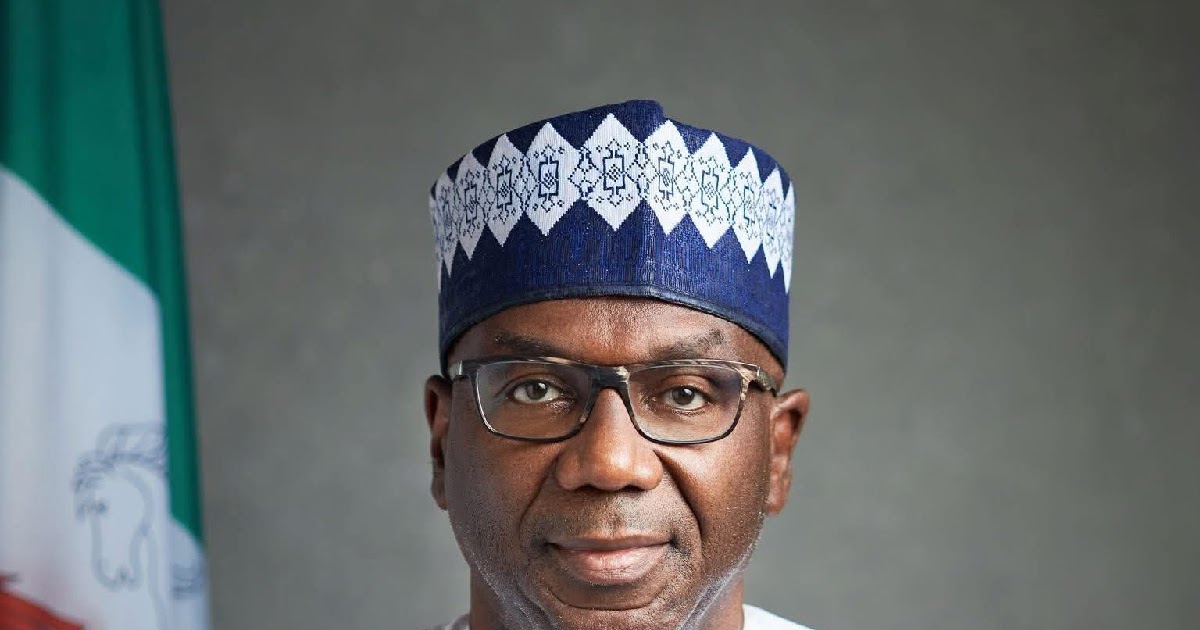
The Chairman of the Nigeria Governors’ Forum (NGF) and Governor of Kwara State, Abdulrahman Abdulrazaq, has urged greater collaboration between Nigerian state governments and the diaspora to accelerate inclusive growth and sustainable development across the country.
Speaking through the Head of Stakeholder Relationship, Investment, SDGs (Sustainable Development Goals), and Environment at the NGF, Eghosa Omoigui, at the 8th Nigeria Diaspora Investment Summit (NDIS) opened in Abuja, drawing top government officials, investors, and development partners to explore ways of deepening diaspora contributions to Nigeria’s development, Abdulrazaq said, “For investment to truly deliver development, it must be felt at the grassroots, where the majority of our people live and work. The sub-nationals are not just locations for investment; we are partners and facilitators of it.” He added that sub-national governments are crucial in turning diaspora capital into tangible benefits for local communities.
The Governor praised the efforts of the Nigerians in Diaspora Commission (NiDCOM) and the Nigeria Diaspora Summit Initiative (NDSI) for sustaining the platform that connects Nigerian talents abroad with investment opportunities at home. He said, “We are working collectively to harmonise policies, reduce red tape, and create clear frameworks for land acquisition, taxation, and business registration. We want to make Nigeria’s sub-nationals the most attractive destinations for investment.”
Participants were reminded of the recently launched Investopedia, a comprehensive investment intelligence platform by NGF providing detailed opportunities, policy incentives, and competitive advantages across all 36 states. This tool aims to empower diaspora investors with relevant information for sound investment decisions.
Meanwhile, the Nigerian diaspora, encompassing more than 17 million Nigerians living and working outside the country, collectively commands an estimated Gross Domestic Product (GDP) exceeding $1 trillion, positioning them as one of the nation’s most valuable economic assets, according to Chairman and CEO of the Nigerians in Diaspora Commission (NiDCOM), Abike Dabiri-Erewa.
Addressing the Summit, Dabiri-Erewa said the diaspora forms “a powerful network of knowledge, innovation, and opportunity” whose expertise and resources could be harnessed to accelerate Nigeria’s development. “Our diaspora professionals are leaders in key global sectors — technology, finance, healthcare, energy, and education,” she explained, emphasising that this vibrant community is the foundation of a prosperous and globally competitive Nigeria.
The diaspora’s financial impact is profound, with remittances alone surpassing $25 billion in 2024, making Nigeria the largest remittance recipient in Africa.
Dabiri-Erewa highlighted, “These figures reflect not only financial commitment but also a deep sense of loyalty and love for home.” However, she urged stakeholders to move beyond remittances as the sole measure of diaspora engagement and strategically channel this capital and expertise into sustainable investments that create jobs and drive inclusive growth.
The theme of the summit, “Diaspora Capital for National Development: Opportunities, Challenges, and the Way Forward,” points to critical sectors where diaspora capital can have transformative effects—including infrastructure, renewable energy, healthcare, education, and technology innovation. She underscored the need to address investment challenges such as regulatory bottlenecks, security issues, and finance accessibility to unlock the full potential of diaspora contributions.
Other News
She called for stronger institutional frameworks and investor protections as well as enhanced public-private partnerships. “We must deepen diaspora engagement by building stronger partnerships between government, private sector, and diaspora communities,” she stressed. NiDCOM remains committed to facilitating these connections and enabling sustainable investment linkages.
In a direct appeal to Nigerians abroad, Dabiri-Erewa said, “Nigeria needs you. Your ideas, your networks, your resources, and your experience are vital to the Nigeria we seek to build—a Nigeria that works, competes, and prospers on the global stage.” She also urged government authorities at all levels to foster a conducive environment for investments through policy consistency, tax incentives, and improved infrastructure.
The diaspora’s estimated GDP of over $1 trillion signals immense untapped potential. Harnessing this economic power, aligned with President Bola Ahmed Tinubu’s Renewed Hope Agenda, offers a clear path toward a resilient, inclusive, and thriving Nigeria. “Together, we can and we will build the Nigeria we all desire — a nation worthy of our pride, our sacrifice, and our children’s future,” Dabiri-Erewa concluded.
Chairman of NDSI, Adejugbe-Williams, described the Summit as a symbol of vision and perseverance, stating: “What began as a bold idea to connect Nigeria with her global diaspora has evolved into one of the most influential platforms for diaspora engagement and investment facilitation in our nation’s history.” She thanked all stakeholders for their ongoing support, stressing the Summit’s role in spotlighting Nigeria’s potential as a hub for innovation and enterprise.
Highlighting the broader role of the diaspora beyond remittances, Adejugbe-Williams encouraged participants to engage boldly: “The Nigerian diaspora is not just a source of remittances but a force for renewal, innovation, and nation-building.”
Chief of Mission for the International Organization for Migration (IOM) in Nigeria, Sharon Dimanche, stressed the critical role of diaspora investment in Nigeria’s development.
She highlighted that diaspora communities contribute far beyond remittances, offering expertise, skills, and global networks essential for national progress. “The Nigerian diaspora is one of the nation’s most strategic assets—a network of talent, capital, and goodwill that spans every continent,” she stated.
Dimanche underscored Nigeria’s position as the largest recipient of remittances in Sub-Saharan Africa, with diaspora funds amounting to $20.93 billion in 2024, nearly 6% of the country’s GDP. She pointed to the growing trend of diaspora professionals directly investing in Nigerian startups, mentoring youths, and fostering innovation in sectors like ICT, agriculture, renewable energy, education, and healthcare.
She called for focused collective action to harness this potential through creating an enabling investment environment, diversifying diaspora investment channels beyond remittances, and empowering regional governments to match diaspora expertise with local development needs.
Dimanche concluded, affirming IOM’s commitment to support Nigeria’s government and partners in transforming diaspora engagement into a powerful engine of inclusive growth, innovation, and social cohesion for achieving Vision 2050 and the Sustainable Development Goals.