Follow Us on Google
From Ndubuisi Orji, Abuja
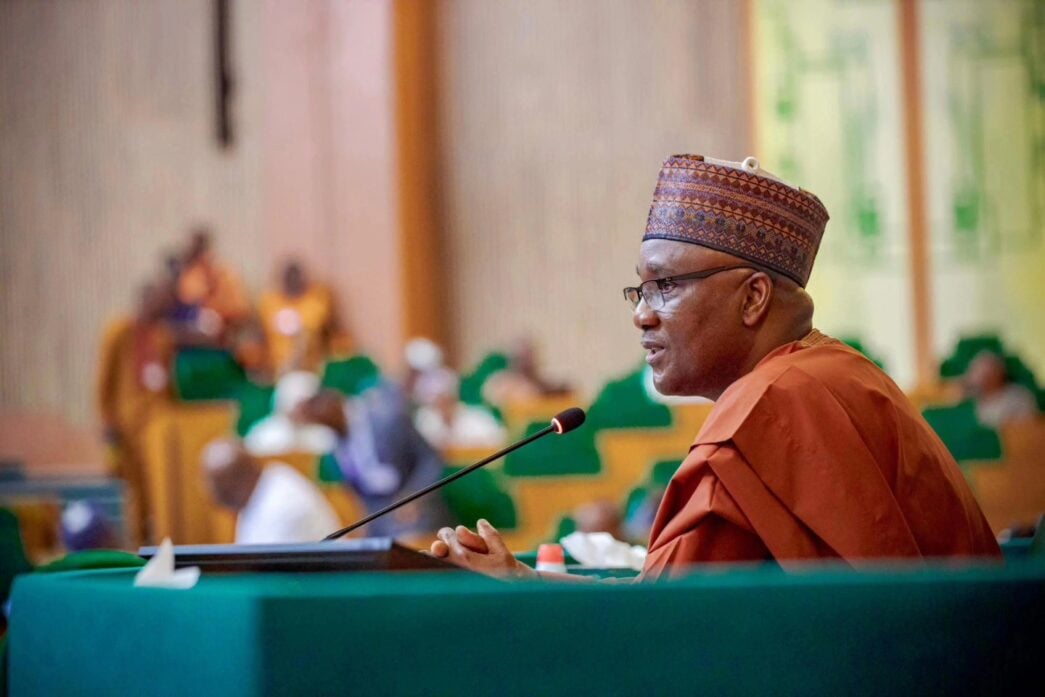
The Speaker of the House of Representatives, Tajudeen Abbas, has said that the House is desirous of completing the electoral reforms ahead of the 2027 polls.
He urged lawmakers to synergise to ensure amendments to the 2022 Electoral Act are passed before the 2027 elections.
Abbas, who stated this in address to welcome members from their annual recess, said the objective of the parliament is to reduce contentions and litigations associated with elections in the country,
“We must also finalise electoral reforms well ahead of the 2027 general elections. The Electoral Act Amendment Bill seeks not only to strengthen measures against violence, improve access for persons with disabilities, and establish clearer timelines for resolving disputes, but also to reduce the ambiguities that trailed the last elections.
“Our goal is to make elections less contentious and litigious, lower their cost through single-day voting and make the process of party primaries more democratic and inclusive.”
He listed elections related bills before the House to include the Electoral Act Amendment Bill, Electoral Offences Commission and the simultaneous voting bill, among others, saying that, “our goal is to produce a new Electoral Act that stands the test of time.”
Abbas noted that another priority proposed legislation before the House is the Reversed Seat bill, which seeks to create special seats for women in the state Houses of Assembly, as well as the National Assembly.
Other News
Consequently, he appealed to the members to support the proposed legislation, noting, “how we vote on this bill will shape how history and our daughters remember us.”
Furthermore, the speaker said: “In the coming months, our attention must turn to several urgent priorities. Chief among them is the constitutional amendment. Eighty-seven proposals concerning devolution of powers, local government autonomy, judicial reform and socio-economic rights await debate and voting.
“The national public hearing held on Monday, September 22, by the House Committee on Constitutional Amendment, was well-attended and highly successful, reflecting broad public interest and support.
“We must now complete these votes and transmit the approved amendments to the State Assemblies before the end of December to enable early concurrence ahead of the election period.”
He added: “Security reforms remain top priority. The debate on multi-level policing must move from theory to decisive legislative action. Creating state police through a constitutional amendment remains an option. At the same time, we must strengthen community policing by revising the Police Act, 2020.
“While Section 19 establishes Community Policing Committees and Section 33(1) vests recruitment in the Inspector-General of Police, these provisions centralise too much authority and limit local responsiveness.
“We should consider devolving recruitment, training and deployment of community police officers to states under federal oversight. This would give states a greater role in shaping their security architecture, while preserving national standards and coordination.”