Follow Us on Google
By Chukwuma Umeorah
AA&R Investment Group says it is positioning its subsidiaries to take advantage of opportunities created by the African Continental Free Trade Area (AfCFTA) as part of its plan to expand investments in agribusiness, energy, logistics, and information technology.
The indigenous investment holding company, led by businessman Abdullahi Haske, has grown into a multi-sector group with projects aimed at reducing Nigeria’s reliance on imports and building regional value chains. The company notes that the AfCFTA provides an unprecedented platform to strengthen these sectors within Nigeria and scale ventures beyond national borders while stimulating cross-border trade.
The International Monetary Fund (IMF) projects that Nigeria’s economy will grow by 3.4 per cent in 2025, a forecast AA&R says reinforces the need for private sector-led investments to unlock long-term growth opportunities.
Group Executive Director/Chief Operating Officer of AA&R, Oladipo Williams stated that “Nigeria’s economy holds immense untapped potential to boost industrial capacity and reduce import reliance, but unlocking it will require bold, homegrown solutions. Our strategy is simple: to invest in sectors that solve real problems; while creating inclusive opportunities for communities.”
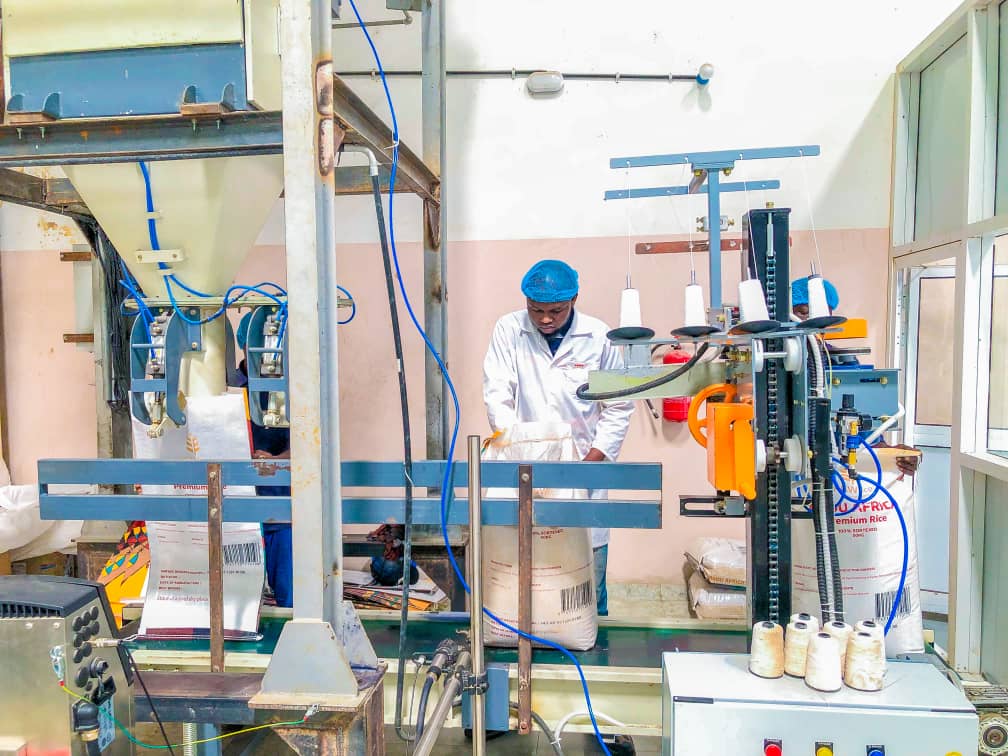
Williams added that AA&R was backing this strategy with projects such as the Demsa Integrated Rice Project and Kaiama Cassava Initiative, which connect smallholder farmers to processing plants and structured markets.
Other News
The company says these ventures not only support food security but also increase rural incomes while cutting dependence on imported staples.
The Group has also built investments in oil and gas, maritime, aviation, and technology, with the aim of constructing sustainable businesses that generate jobs and attract long-term capital. “Our subsidiaries are not standalone ventures, they are pieces of a broader economic puzzle,” Williams explained.
According to him, “Each one is designed to build resilience in the Nigerian economy, whether by reducing reliance on imports, creating local value chains, or leveraging technology to boost competitiveness.”
Williams emphasized that community investment and human capital development were central to its model, noting that Nigeria’s informal sector accounts for more than half of GDP. By formalising agricultural and small business activities, the company believes it can help unlock productivity and wealth creation in underserved areas.
He added that with Nigeria projected to become the world’s third most populous country by 2050, the company was aligning its growth plan with the need for scalable infrastructure and industrial capacity. “we view this strategy as part of a broader drive to position indigenous firms as continental leaders under AfCFTA, while also contributing to long-term stability in the Nigerian economy,” he explained.