Follow Us on Google
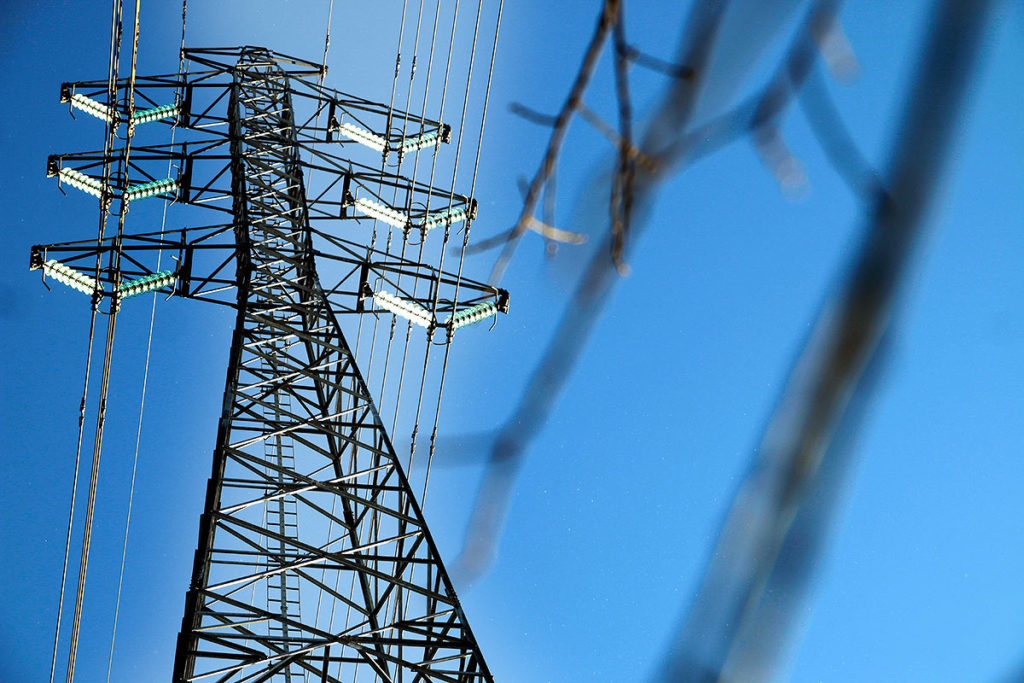
Nigeria’s power generation reached a peak of 5,403.3 megawatts (MW) on Tuesday, with only 4,379.07MW of the available power delivered to electricity distribution companies (DisCos).
The shortfall highlights the persistent gap between generation and the power reaching the distribution network.
The figure, contained in the Daily Load Allocation Table released by the National Control Centre (NCC), showed that about 1,024.18MW of the available generation was classified under exempted loads, including transmission and substation services, power station and auxiliary consumption, bilateral supplies, and international allocations.
The development comes amid continuing efforts by the federal government and industry operators to improve electricity supply and address longstanding constraints across the generation, transmission, and distribution segments of the power sector.
The NCC report showed that Abuja Electricity Distribution Company (Abuja DisCo) received the largest allocation among the distribution companies, with 700MW, representing 15.20 per cent of its NERC allocation.
Ikeja DisCo followed with 581MW, representing 15.01 per cent, while Ibadan DisCo received 550MW, or 11.93 per cent.
Benin DisCo received 531MW, while Eko DisCo was allocated 519MW.
Other allocations included 512MW for Enugu DisCo, 466MW for Port Harcourt DisCo, 161MW for Kano DisCo, 155MW for Kaduna DisCo, 134MW for Jos DisCo and 70MW for Yola DisCo.
The allocation figures reflect the distribution of available power among the various DisCos under the guidelines of the Nigerian Electricity Regulatory Commission (NERC).
Other News
The report categorised the remaining 1,024.18MW outside DisCo allocations under exempted loads.
Of this amount, 108.07MW was attributed to power stations and auxiliary consumption, while 367.87MW was allocated to transmission losses and substation services.
The balance covered various bilateral and international supplies, including electricity supplied to Niger and local industrial consumers.
The latest generation figure provides a snapshot of the complex dynamics confronting Nigeria’s electricity market, where higher generation does not automatically translate into an equivalent increase in electricity available to homes and businesses.
The power sector has continued to face challenges involving gas availability, generation capacity, transmission constraints, distribution infrastructure, and liquidity across the electricity market.
The Federal Government has, however, continued to push reforms aimed at increasing generation, improving transmission and distribution infrastructure, expanding metering, and attracting private investment into the electricity value chain.
The September 22 generation peak therefore underscores both the progress in available generation capacity and the continuing challenge of moving more electricity through the transmission and distribution networks to consumers.