Follow Us on Google

- laments dearth of teachers in basic schools
From Fred Ezeh, Abuja
Universal Basic Education Commission (UBEC), disclosed on Monday, that records in its database indicated that no fewer than 45 million children are currently enrolled in basic education system in Nigeria.
The Commission also disclosed that N100 billion was being allocated to basic education system every year from federal purse which, it said, was insufficient to tackle challenges of basic education in Nigeria.
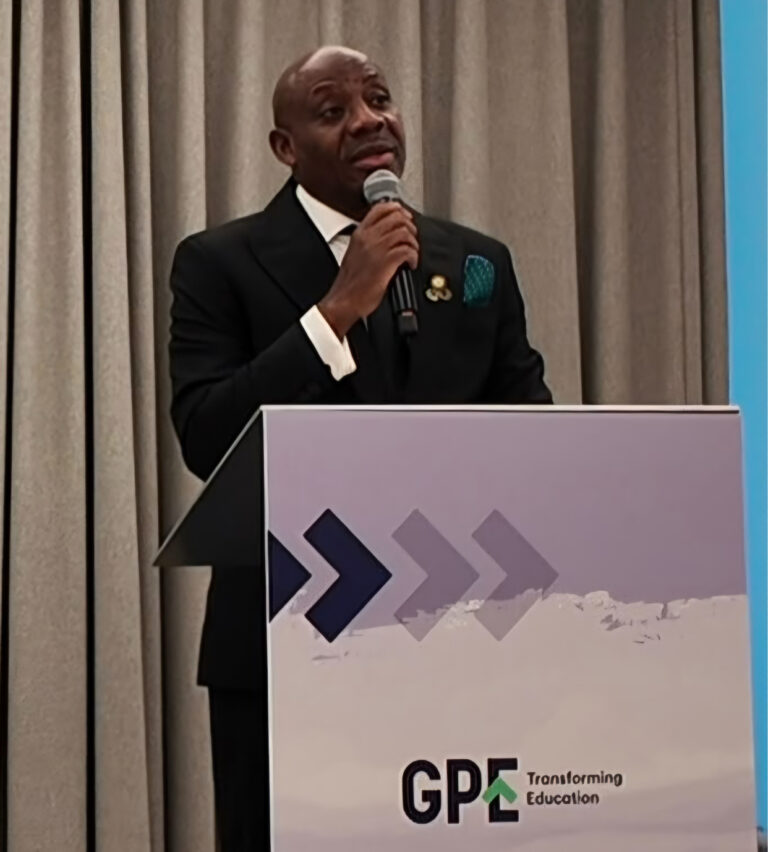
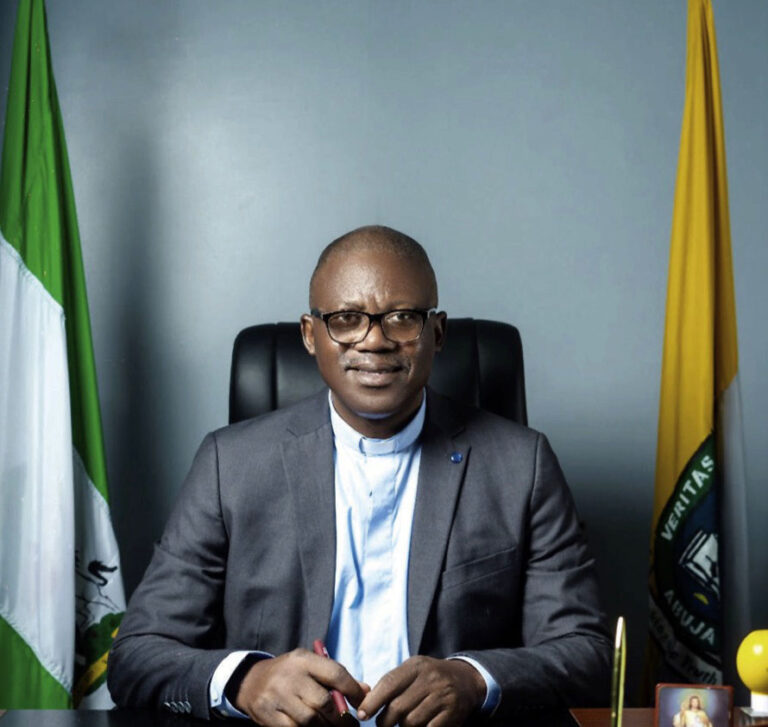
Executive Secretary of UBEC, Dr. Hamid Boboyyi, disclosed this at a one-day meeting with the organized private sector, in Abuja, that focused on promoting partnerships with relationships.
He said the objective of the meeting was to bring key stakeholders together in order to have a functional relationship with the private sector, in which the sector understands its activities and challenges in the basic education sub-sector.
He noted that part of the interface with the organized private sector was to work out a programme that can be beneficial to the development of basic education in Nigeria, in the areas of quality, expanding access and finding equity for the physically challenged.
The UBEC boss, thus called on the private sector to appreciate the importance of providing education for children at an early age, to contribute to the development of the country.
He maintained that resources from the federal government alone is clearly insufficient to run the basic education system. “For instance, Nigeria has over 45 million children in its basic education sub-sector, and with this number, we require the necessary classrooms and other logistics.
“A state may get a maximum of N3 billion in the best times. But N3 billion cannot take care of the challenges. It needs instructional materials and lots of other things to guarantee access to quality and effective basic education,” he said.
Dr. Bobbyi noted that basic education is the foundation of learning in Nigeria, hence adequate attention is required to avoid dire consequences that might accompany huge population of educated people.
He also lamented that there is 29 per cent reduction in the number of teachers in Nigeria’s basic school system following the COVID-19 crisis. “Unless we can be able to pay our teachers and compensate them properly, motivate them, it will be very difficult to deliver the kind of education that we all dream of.”
He called on stakeholders to invest in the smart school initiative to build the technological capacity of the young population.
On her part, the Head of Oando Foundation, Mrs. Adegoke Adekanla, commended UBEC for its commitment to advancing basic education in Nigeria.
Adekanla said the commitment of Oando Foundation to basic education aligns with the broader initiative to strengthen the basic education programme through collaborative partnerships.
Mrs. Adekanla who was represented by Mr. Ede Okechukwu, stressed that basic education forms the foundation upon which all other forms of learning and development rest. “It is the fundamental right of every child and the cornerstone of a prosperous and equitable society.
“Access to quality basic education is not just a goal; it is a moral imperative that shapes the future of nations. The involvement of the private sector, as emphasized by UBEC, is instrumental in enhancing the pool of resources for UBE implementation.
“This collaboration is not only an acknowledgment of the unique strengths and capabilities that non-state actors bring to the table, but also a testament to the recognition that effective partnerships are indispensable for achieving better results in development initiatives, in line with Sustainable Development Goals (SDG) 17.”