Follow Us on Google

From Ndubuisi Orji, Abuja
Vice President Kashim Shettima has said over 40 percent of Nigerian children under five years of age are suffering from malnutrition.
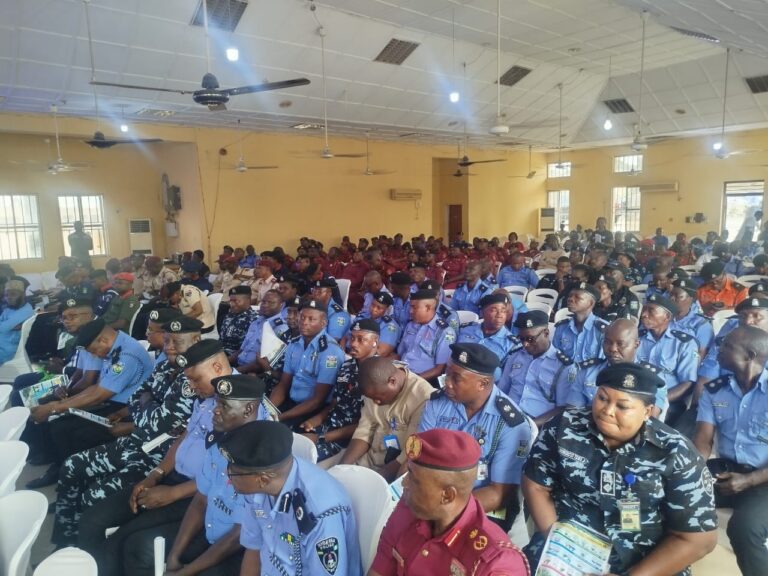
He stated this while declaring open a nutrition and food security summit, organized by the House of Representatives Committee on Nutrition and Food Security in Abuja, yesterday.
Shettima, who was represented by the Deputy Chief of Staff to the President (Office of the Vice President), Senator Ibrahim Hadejia, said the affected children are being robbed of the physical and cognitive potentials by malnutrition.
He commended the Speaker, Tajudeen Abbas, for elevating nutrition and food security to the frontline of national discourse and the nutrition and food security committee for ensuring the replication of the Committee in the 36 state Houses of Assembly.
Shettima noted that the President Bola Tinubu administration, as part of efforts to enhance nutrition and food security has introduced Nutrition 774 Initiative, grassroots based programme aimed at tackling hunger in the country.
“The occasion that brings us here today is no celebration. It is a reminder of the burden we bear, a malnutrition crisis that continues to rob nearly 40 percent of Nigerian children under five of their physical and cognitive potential.
Other News
“It is a reminder that food insecurity is not only about hunger, it is also about whether our people can afford, access the food that meets their nutritional needs. It is about the economy. It is about education. It is about the very building blocks of human capital that this nation so urgently needs at this time of its development.
“But in the face of this adversity, we have chosen not to lament but to lead. Under the Renewed Hope agenda, nutrition has been repositioned as a central pillar of our national development strategy. At the heart of this strategy lies the nutrition 774 initiative, our flagship grassroots framework. Designed not for elegance on paper but for impact.”
He charged the lawmakers to ensure that budgetary allocations for nutrition are consistent, adequate and safeguarded.
Chairman of the Committee, Chike Okafor, said malnutrition related health challenges, including stunting, low birth weight and anemia pose significant economic consequences.
Okafor noted that according to the Food and Agriculture Organisation (FAO), post-harvest food losses are estimated at $2 billion annually, which is more than the combined nutrition budgets of the ministries of agriculture, health, education and women affairs.
The lawmaker explained that the Committee is engaging with stakeholders across the country and organising strategic capacity-building sessions aimed at deepening legislative understanding of food and nutrition challenges, as part of efforts to address the challenges of food insecurity in the country.