Follow Us on Google
From Chinenye Anuforo, Nairobi, Kenya
AfricaNenda has urged African governments to digitise social safety payments, saying the move could accelerate financial inclusion among vulnerable populations, even as about 70 per cent of the continent’s estimated 31 billion social payments are still made in cash.
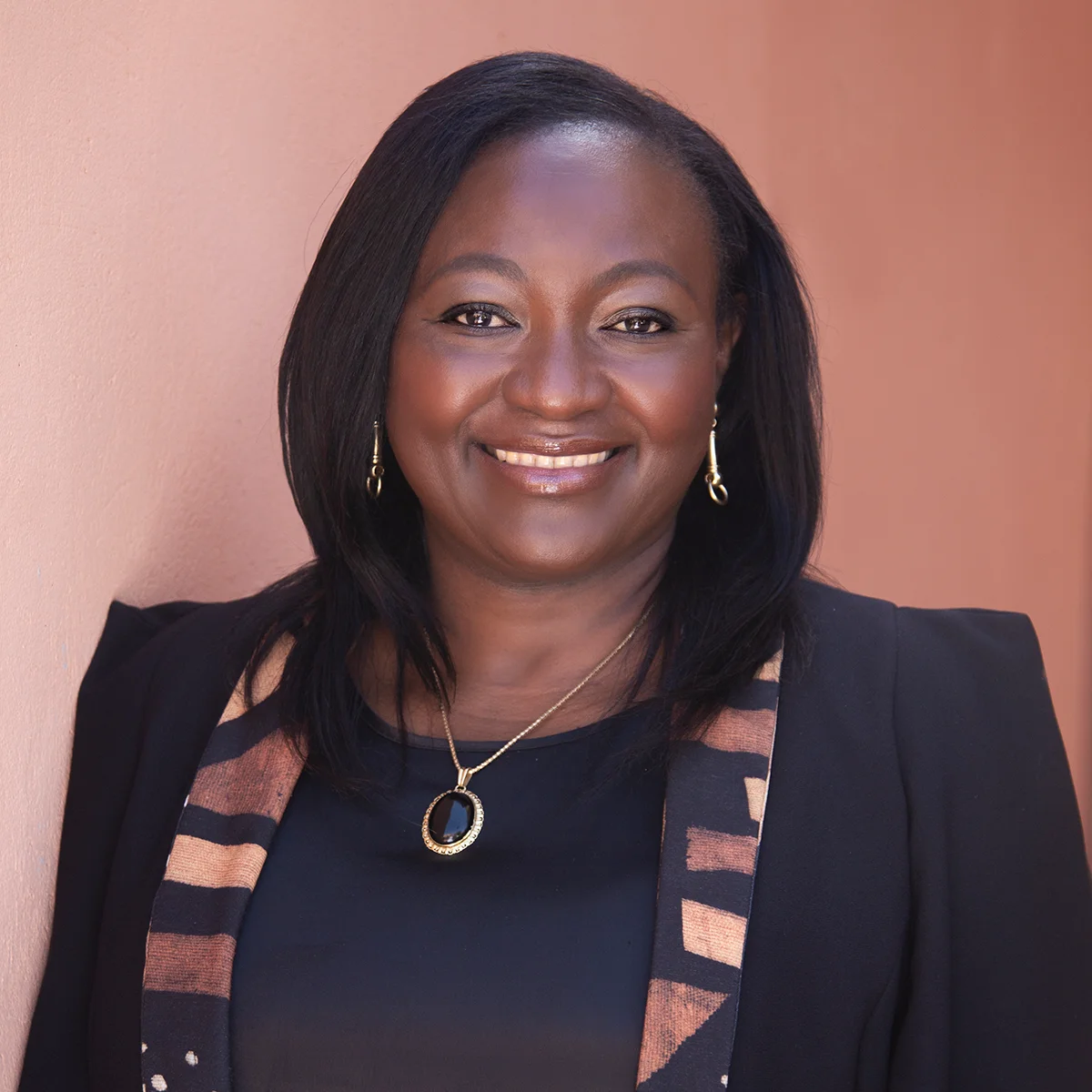
Sabine Mensah, Deputy Chief Executive Officer, AfricaNenda, disclosed this during a media workshop in Kenya on inclusive instant payment systems.
Mensah said governments have a critical role to play in driving financial inclusion because they are among the biggest payers in most African economies.
She said the scale of social payments presents a major opportunity to bring people who remain outside the formal financial system into digital finance.
“About 31 billion social safety payments a year are done in Africa. Sadly, 70 per cent of those are still cash-based,” Mensah said.
According to her, digitising the payments would give vulnerable beneficiaries an incentive to open and use formal financial accounts, creating an entry point into the wider financial system.
“Imagine if they digitise all of these payments,” she said, noting that social benefit recipients are among the most vulnerable members of society.
Mensah said the process should be accompanied by financial education to help beneficiaries understand how to use their accounts, save money and access other financial services.
She explained that regular digital transactions could also generate financial histories that may eventually help beneficiaries access credit.
“If you keep using it, your microfinance institution in your village will actually have some information and can say, ‘This person, we can provide credit based on the transaction history,’” she said.
She noted that transactions conducted entirely in cash are largely invisible to the formal financial ecosystem, making it difficult for financial institutions to assess the financial behaviour of potential borrowers.
“When transactions are in cash, they are invisible to the financial ecosystem,” she said.
Mensah also cited agricultural subsidies and other government-to-person payments as areas where digitisation could help deepen financial inclusion.
She said AfricaNenda’s research found that 13 per cent of people who opened accounts did so in order to receive government payments.
“This is a great incentive for government,” she said, adding that digitising government payments could produce benefits for both citizens and the state.
For citizens, she said, it could provide an entry point into formal financial services, while governments could benefit from greater efficiency and reduced leakages associated with cash disbursements.
She also said digitising government collections could create revenue opportunities for the state.
The AfricaNenda executive, however, cautioned that simply digitising payments would not guarantee adoption, particularly if transaction costs remain too high for low-income consumers.
Responding to concerns raised about charges in Nigeria, Mensah said affordability was central to the success of inclusive instant payment systems.
She explained that different countries have adopted different pricing models, with some central banks subsidising or absorbing costs to make certain transactions free, while others use fees from commercial or higher-value transactions to support lower-cost payments.
“The question is, who pays for it? Because this transaction and the infrastructure have a cost,” she said.
Mensah warned that placing the entire cost burden on banks, fintechs and other payment service providers could discourage them from participating in national payment infrastructure.
She therefore called for regulators and private-sector participants to work together to develop sustainable pricing models.
“If you put the cost on the participants, it’s a disincentive for them,” she said.
She added that while government mandates had worked in some markets, they were not necessarily a universal solution.
“It really has to be an ecosystem engagement to find the win-win business case,” Mensah said.
She stressed that banks, mobile money operators and fintechs remain critical to financial inclusion because they provide the last-mile services through which consumers ultimately access digital payments.
The call comes as African countries continue to expand instant payment infrastructure, with policymakers seeking to reduce dependence on cash while making digital financial services more accessible, affordable and useful to underserved populations.
Other News
AfricaNenda has urged African governments to digitise social safety payments, saying the move could accelerate financial inclusion among vulnerable populations, even as about 70 per cent of the continent’s estimated 31 billion social payments are still made in cash.
Sabine Mensah, Deputy Chief Executive Officer, AfricaNenda, disclosed this during a media workshop in Kenya on inclusive instant payment systems.
Mensah said governments have a critical role to play in driving financial inclusion because they are among the biggest payers in most African economies.
She said the scale of social payments presents a major opportunity to bring people who remain outside the formal financial system into digital finance.
“About 31 billion social safety payments a year are done in Africa. Sadly, 70 per cent of those are still cash-based,” Mensah said.
According to her, digitising the payments would give vulnerable beneficiaries an incentive to open and use formal financial accounts, creating an entry point into the wider financial system.
“Imagine if they digitise all of these payments,” she said, noting that social benefit recipients are among the most vulnerable members of society.
Mensah said the process should be accompanied by financial education to help beneficiaries understand how to use their accounts, save money and access other financial services.
She explained that regular digital transactions could also generate financial histories that may eventually help beneficiaries access credit.
“If you keep using it, your microfinance institution in your village will actually have some information and can say, ‘This person, we can provide credit based on the transaction history,'” she said.
She noted that transactions conducted entirely in cash are largely invisible to the formal financial ecosystem, making it difficult for financial institutions to assess the financial behaviour of potential borrowers.
“When transactions are in cash, they are invisible to the financial ecosystem,” she said.
Mensah also cited agricultural subsidies and other government-to-person payments as areas where digitisation could help deepen financial inclusion.
She said AfricaNenda’s research found that 13 per cent of people who opened accounts did so in order to receive government payments.
“This is a great incentive for government,” she said, adding that digitising government payments could produce benefits for both citizens and the state.
For citizens, she said, it could provide an entry point into formal financial services, while governments could benefit from greater efficiency and reduced leakages associated with cash disbursements.
She also said digitising government collections could create revenue opportunities for the state.
The AfricaNenda executive, however, cautioned that simply digitising payments would not guarantee adoption, particularly if transaction costs remain too high for low-income consumers.
Responding to concerns raised about charges in Nigeria, Mensah said affordability was central to the success of inclusive instant payment systems.
She explained that different countries have adopted different pricing models, with some central banks subsidising or absorbing costs to make certain transactions free, while others use fees from commercial or higher-value transactions to support lower-cost payments.
“The question is, who pays for it? Because this transaction and the infrastructure have a cost,” she said.
Mensah warned that placing the entire cost burden on banks, fintechs and other payment service providers could discourage them from participating in national payment infrastructure.
She therefore called for regulators and private-sector participants to work together to develop sustainable pricing models.
“If you put the cost on the participants, it’s a disincentive for them,” she said.
She added that while government mandates had worked in some markets, they were not necessarily a universal solution.
“It really has to be an ecosystem engagement to find the win-win business case,” Mensah said.
She stressed that banks, mobile money operators and fintechs remain critical to financial inclusion because they provide the last-mile services through which consumers ultimately access digital payments.
The call comes as African countries continue to expand instant payment infrastructure, with policymakers seeking to reduce dependence on cash while making digital financial services more accessible, affordable and useful to underserved populations.