Follow Us on Google
From Fred Ezeh, Abuja
The National Commission for Mass Literacy, Adult and Non-Formal Education (NMEC) has disclosed that more than 27,000 youth and adult learners, aged 15 and above, were enrolled into different literacy and empowerment programmes of the commission.
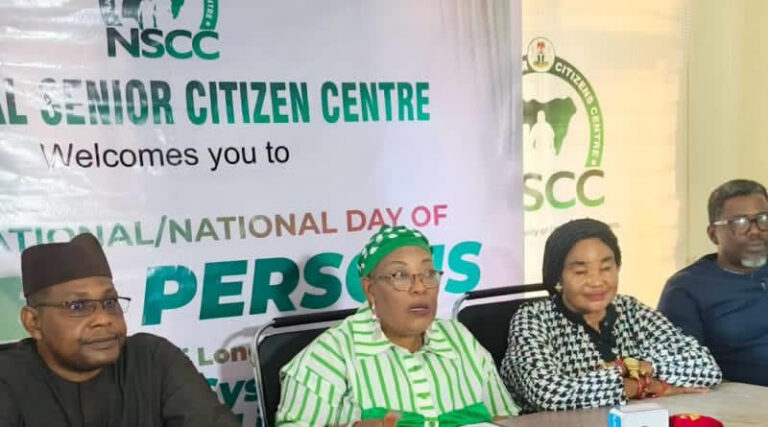
This was disclosed by Dr. John Edeh Onimisi, the acting Executive Secretary of the Commission, at a press briefing to herald the 2025 International Literacy Day in Abuja on the theme, “Promoting literacy in the digital era.” He said most of the learners were from vibrant communities in Abuja, namely, Apo Mechanic Village, Karonmajigi, Lugbe, Dogongada, Apo Resettlement, Gwarinpa, Kubwa Village, Mararaba, Kurudu and Gwagwalada.
“We set out with a modest goal and we have already surpassed it. But we are not stopping there. In the days ahead, we will be expanding this initiative to 377 local government areas (LGAs) across all 36 states and the FCT, and through our 17 community learning centres, we are going to reach thousands more. In all, we are embracing digital tools such as radio, TV, and mobile apps to make learning more accessible, more flexible and more relevant to people’s lives,” he said.
He stated that the theme for this year’s event, “Promoting Literacy in a Digital Era,” could not be more timely considering the fact that technology is changing everything. “At NMEC, we have taken that belief and turned it into action. For instance, our target for digital enrolment for youth and adults of 15 years above for Abuja Municipal Area Council (AMAC) was 3,876 learners. A representative of UNESCO, Oladeji Adeyemi, in his speech reaffirmed the organisation’s commitment to literacy as a fundamental human right and a powerful catalyst for sustainable development, peace and social inclusion.
He commended the Federal Ministry of Education for the unwavering commitment to this cause, adding that the Nigeria Education Sector Renewal Initiative (NESRI), which has the reduction of out-of-school children as one of the priorities, is highly commendable. “Literacy is more than a skill; it is a tool for empowerment, a foundation for peaceful societies, and a bridge to a more sustainable future. UNESCO remains a steadfast partner in Nigeria’s educational journey. Our ongoing collaboration includes initiatives focused on teacher training, skills development and promoting media and information literacy.
“We are also dedicated to supporting the government’s efforts to create an education system that is not only accessible and equitable but also resilient and responsive to the needs of the 21st century.”
He reaffirmed UNESCO’s commitment to a world where every individual, regardless of their background or location, has the opportunity to read, learn, and thrive in both the physical and digital worlds.
Meanwhile, the Minister of State for Education, Prof. Suwaiba Ahmad, in her remarks, disclosed that the government was conducting a comprehensive mapping exercise to identify those who are out of school or non-literate.
“With this data, we will be able to enrol millions into literacy programmes that are relevant, inclusive and empowering. We are also embracing the digital age. From mobile learning platforms to radio and television programmes, we are using technology to reach learners wherever they are, including cities, villages, IDP camps and remote communities.
“We are working with partners to adapt proven models like Cuba’s “Yes, I Can” to our local context, ensuring that literacy is not just taught but lived. The goal is clear: to achieve Sustainable Development Goal (SDG) 4.6, which calls for all youth and a substantial proportion of adults to achieve literacy and numeracy by 2030.
“This is not just a global target; it is a national priority. It is fully aligned with our Ministerial Strategic Plan, which places education at the heart of Nigeria’s transformation.”