Follow Us on Google
By Michael Anthony
There is an African proverb that says, “When spider webs unite, they can tie up a lion.” It is a timeless reminder that collective action often succeeds where individual effort fails. In an age defined by climate change, economic uncertainty, technological disruption and widening inequality, that proverb may well capture the spirit behind China’s Global Development Initiative (GDI).
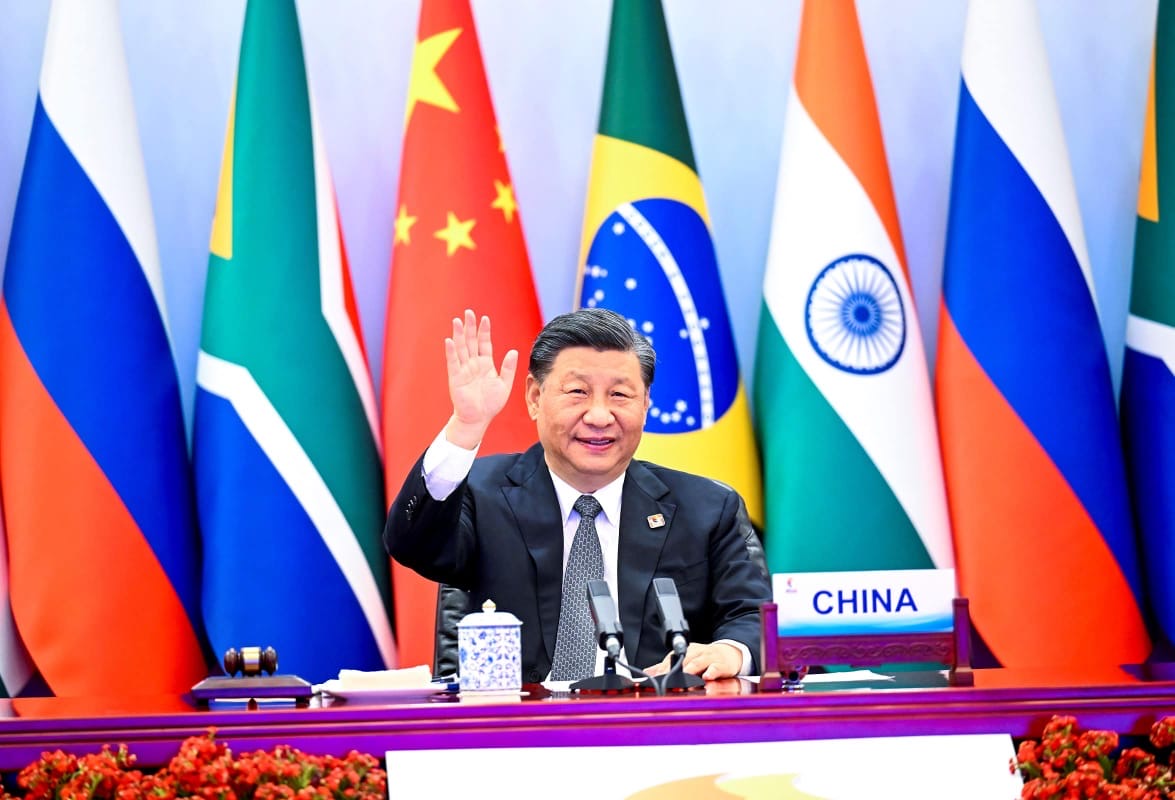
Five years ago, at a time when the world was struggling to recover from the devastating effects of the COVID-19 pandemic and confidence in international cooperation was steadily declining, Chinese President Xi Jinping proposed the GDI at the 76th Session of the United Nations General Assembly.
The initiative was conceived not merely as another diplomatic proposal but as a practical framework to place development back at the centre of international cooperation. Five years later, the Global Development Initiative has grown from an ambitious diplomatic proposal into one of the world’s most significant platforms for South-South cooperation.
As Chinese Foreign Minister Wang Yi observed during the High-Level Meeting commemorating the initiative’s fifth anniversary, the GDI has evolved from “a Chinese proposal into a global consensus” and from broad aspirations into practical programmes delivering measurable benefits across the developing world.
At a time when implementation of the United Nations Sustainable Development Goals (SDGs) is significantly behind schedule, climate change continues to deepen inequality, conflicts are disrupting economies, and financing for development remains inadequate, the GDI has become increasingly relevant.
Rather than replacing existing global development frameworks, it seeks to reinforce the United Nations development agenda while offering new resources, partnerships and practical solutions.
One of the most remarkable achievements of the initiative is the breadth of international support it has attracted. Over 130 countries and international organisations have expressed support for the GDI, while nearly 100 countries and regional organisations have entered into cooperation agreements with China under the initiative.
The Group of Friends of the GDI has grown into a coalition of 88 countries, demonstrating that development remains a shared global aspiration despite geopolitical divisions.
Beyond diplomatic endorsements, the initiative has established practical cooperation mechanisms that strengthen implementation. More than thirty specialised cooperation platforms now support developing countries in areas ranging from agriculture and digital technology to education, public health and disaster risk reduction. These institutional arrangements provide continuity and ensure that development cooperation moves beyond political declarations into sustained action.
Perhaps the greatest strength of the Global Development Initiative lies in its emphasis on tangible outcomes. Through the China-U.N. Peace and Development Fund, the Global Development and South-South Cooperation Fund and related financing mechanisms, more than US$23 billion has been mobilised for development cooperation. More than 1,800 community-based livelihood projects have been implemented across over 120 countries, while over 200,000 professionals have received technical training.
These projects illustrate an important philosophy increasingly associated with China’s development cooperation: practical solutions that directly improve people’s lives.
Agricultural innovations such as juncao technology have helped improve food production and reduce poverty. China’s Sustainable Development Science Satellite (SDGSAT-1) provides valuable Earth observation data that supports environmental monitoring and sustainable planning. Likewise, the MAZU meteorological platform strengthens weather forecasting, disaster preparedness and climate resilience for many developing countries that remain highly vulnerable to extreme weather events.
Foreign Minister Wang Yi’s address also outlined four strategic priorities that will shape the next phase of the initiative.
The first is strengthening solidarity and cooperation to create a peaceful international environment for development. Sustainable development cannot flourish amid conflict and instability. By reaffirming support for the United Nations, international law and peaceful cooperation, China argues that development and peace must be pursued simultaneously rather than treated as separate objectives.
The second priority focuses on accelerating progress towards achieving the Sustainable Development Goals. With only a few years remaining before the 2030 deadline, many developing countries face widening financing gaps and mounting development challenges.
China’s commitment to sharing financial resources, technology and development experience through bilateral, multilateral and trilateral partnerships reflects an understanding that no country can achieve sustainable development in isolation.
For instance, during the COVID-19 pandemic, China supplied vaccines, medical equipment and technical support that complemented Nigeria’s national response. Today, cooperation is expanding into pharmaceutical manufacturing, disease surveillance, digital health and public health capacity building.
Other News
As someone well acquainted with grassroots realities, I believe this aspect of China-Nigeria cooperation deserves greater recognition. Development is not measured only by highways and bridges. It is equally measured by mothers who survive childbirth, children who receive vaccines, communities protected from disease outbreaks and healthcare workers equipped with better skills.
The third proposition addresses one of the defining issues of the twenty-first century – the widening technological divide. Artificial intelligence, digital technologies and innovation increasingly determine economic competitiveness, educational opportunities and healthcare outcomes.
Yet many countries in the Global South risk being left behind. Wang Yi’s announcement of the World Artificial Intelligence Cooperation Organization (WAICO), initiated together with twenty-eight other countries, signals China’s intention to make AI governance and technological cooperation more inclusive, ensuring that developing countries participate not merely as consumers of technology but as active contributors to its development and governance.
The fourth proposition advocates stronger multilateralism and reform of global governance institutions. Many developing countries have long argued that existing international financial institutions no longer adequately reflect contemporary economic realities.
Calls for reforms in development financing, greater representation for developing nations and more equitable decision-making have become increasingly prominent. China’s support for these reforms aligns closely with broader aspirations across Africa, Asia and Latin America for a more balanced international order.
For Nigeria, the significance of the GDI extends beyond diplomatic engagement. Nigeria’s own development priorities align closely with many of the initiative’s objectives. Infrastructure development, renewable energy, digital transformation, agricultural modernisation, healthcare improvement and climate resilience all represent areas where cooperation with China has already produced measurable results.
Chinese investment in railway infrastructure, road construction, power generation and industrial parks has contributed significantly to Nigeria’s economic development over the past decade. The Abuja-Kaduna Railway, the Lagos-Ibadan Railway and ongoing investments in renewable energy projects demonstrate how infrastructure partnerships can stimulate trade, improve connectivity and create employment opportunities.
China’s growing investments in renewable energy technologies, early warning systems and climate adaptation provide opportunities for deeper collaboration that supports both Nigeria’s climate commitments and broader development goals, combating extreme weather events, flooding, desertification and food insecurity.
Across Africa more broadly, the GDI complements existing partnerships under the Forum on China-Africa Cooperation. Investments in transportation, agriculture, manufacturing, vocational education and digital infrastructure continue to support the African Union’s Agenda 2063 while reinforcing implementation of the SDGs.
Critics of China’s expanding global development role often raise legitimate questions concerning debt sustainability, transparency and long-term project viability. These concerns deserve careful consideration and constructive dialogue.
Yet they should not overshadow the substantial benefits that many developing countries have derived from increased infrastructure investment, technology transfer and development financing. As with any international partnership, success ultimately depends on sound governance, accountability and mutual responsibility from all participating countries.
Perhaps the most important lesson from the GDI’s first five years is that development cannot be separated from international cooperation. Climate change, pandemics, food insecurity, digital transformation and economic instability transcend national borders. No single nation – regardless of its economic strength – can solve these challenges alone.
As Wang Yi concluded in his remarks, “A thriving world lifts China, and a prosperous China empowers the world.” Whether one views this as diplomatic philosophy or strategic vision, the underlying message is increasingly difficult to dispute: global prosperity is interconnected.
The next five years will determine whether the Global Development Initiative evolves into one of the defining pillars of international development cooperation. For Nigeria, Africa and the wider Global South, the opportunity lies not simply in receiving development assistance, but in actively shaping partnerships that promote shared prosperity, technological innovation and sustainable growth.
The next chapter belongs to Africa. If Nigeria approaches it with strategic clarity, institutional strength and visionary leadership, the Global Development Initiative could become more than an international programme. It could become one of the catalysts for Africa’s long-awaited century of transformation.
_______________
Anthony, an international affairs analyst, writes from Lagos