Follow Us on Google
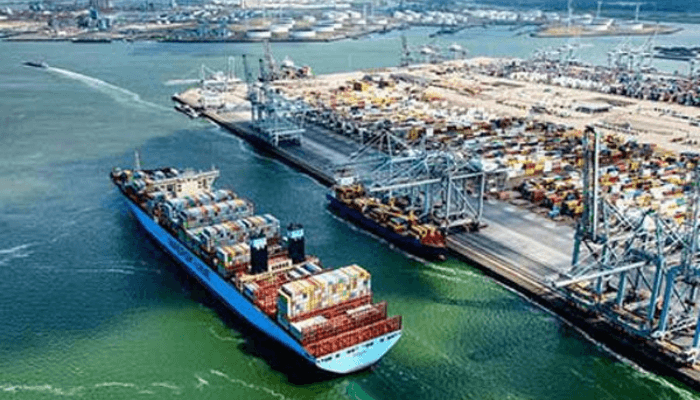
Twenty-four vessels berthed at Lagos ports to discharge petroleum products and other commodities over the weekend.
This highlights the steady flow of imports through Nigeria’s busiest maritime gateways.
The Nigerian Ports Authority (NPA) disclosed that the ships are currently being handled at the Apapa, Lekki and Tin-Can Island ports.
According to the authority, the vessels are laden with a wide range of cargoes, including petroleum products, food items and industrial raw materials critical to the nation’s economy.
Among the commodities being discharged are bulk wheat, bulk salt, general cargo, fresh fish, containers, bulk sugar, petrol, bulk gas, diesel and bulk urea.
The development comes as import activities remain robust at the Lagos ports, which serve as the country’s major entry points for both consumer goods and industrial supplies.
The NPA also revealed that nine additional vessels had arrived at the ports and were awaiting berthing space to commence discharge operations.
Other News
The ships are carrying bulk urea, crude oil, diesel, aviation fuel, gasoline, bulk fertiliser, general cargo and petrol.
Industry stakeholders say the arrival of the vessels is expected to support supply chains across key sectors, including agriculture, manufacturing, energy and transportation.
In a further indication of sustained maritime traffic, the authority said 46 more ships are expected to arrive at the Lagos ports between Friday and June 19.
The incoming vessels are scheduled to deliver various cargoes, including general cargo, bulk urea, crude oil, bulk gas, bulk wheat, bulk millet, bulk sugar, condensate, aviation fuel, bulk salt and petrol.
The steady influx of vessels reflects the strategic importance of Lagos ports to Nigeria’s trade and logistics ecosystem. The ports handle the bulk of the country’s seaborne imports and play a critical role in ensuring the availability of essential goods and industrial inputs.
Analysts note that the arrival of food commodities such as wheat, millet, sugar and fish could help support domestic supply, while shipments of fuel products are expected to bolster energy distribution across the country.
The latest vessel traffic figures also highlight continued commercial activity within the maritime sector despite ongoing efforts by government agencies and operators to improve port efficiency and reduce congestion.