Follow Us on Google
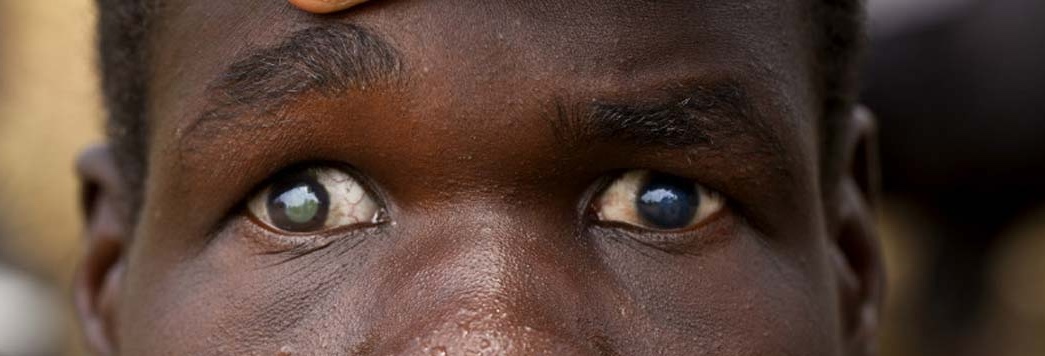
More than 24 million Nigerians are currently living with sight loss, with 84 per cent of the cases caused by preventable and avoidable conditions, the Ophthalmological Society of Nigeria (OSN) has disclosed.
The society said the disturbing figure underscored the urgent need for greater investment in eye health, stronger collaboration among healthcare professionals, and wider deployment of digital technology to make quality eye care more accessible to Nigerians.
President of the OSN, Dr Gloria Patrick-Ferife, disclosed this on Wednesday at the opening of the society’s 51st Scientific Conference and Annual General Meeting, tagged “ASO 2026”, in Abuja.
The conference brought together ophthalmologists, other eye-care professionals and stakeholders to examine emerging technologies, ethics and strategies for expanding access to quality eye care in Nigeria.
She said blindness data also showed that 4.2 per cent of Nigerians aged above 40 were blind, stressing that the country must urgently explore innovative and sustainable ways of tackling the burden.
According to her, the theme of the conference, “Re-imagining Eye Care in the Digital Era”, was timely, as artificial intelligence, teleophthalmology, digital imaging, electronic medical records, simulation-based training and data-driven research were increasingly transforming ophthalmic practice.
She, however, warned that technology must not displace ethics and the human element of healthcare.
“As we embrace these advances, we must ask ourselves an important question: How do we use technology to improve eye care without losing the human being at the centre of care?” she said.
Patrick-Ferife said digital transformation must go beyond adopting new technologies, stressing that innovations must be affordable, sustainable and equitable enough to reach underserved Nigerians.
“Technology should help us detect disease earlier, strengthen training, improve research, extend specialist care and ultimately preserve sight,” she said.
She identified the digital divide, inadequate infrastructure, affordability, data protection and the ethical use of emerging technologies as key concerns that must be addressed as Nigeria embraces digital eye care.
Other News
The OSN president also called on optometrists, ophthalmic nurses, opticians and other members of the eye-care team to embrace teamwork and collaboration in addressing the country’s eye health challenges.
She particularly congratulated the President of the Nigerian Medical Association (NMA), Prof. Afekhide Ernest Omoti, describing his emergence as the first ophthalmologist to lead the association as a landmark achievement for the specialty.
Patrick-Ferife said Omoti’s election to lead the umbrella body of Nigerian doctors represented significant recognition of the contribution of ophthalmologists to the wider medical profession.
She expressed confidence that his leadership of the NMA would further strengthen advocacy for improved healthcare delivery and professional development in the country.
The Nigerian Army, meanwhile, pledged continued investment in specialised eye care, with the Commander, Nigerian Army Medical Corps, Brigadier General Innocent Enwuchola, saying the military had upgraded and equipped eye departments in its medical facilities across the country.
Representing the Chief of Army Staff, Enwuchola said the Army had established modern and technologically robust eye-care centres across its hospitals, citing the upgraded eye department at the Nigerian Army Reference Hospital, Port Harcourt.
He said the facilities served military personnel and their families, while specialised eye-care services were also being extended to surrounding civilian communities.
The Army, he added, was sponsoring residency training, advanced courses and subspecialty exposure for military medical personnel in ophthalmology to bridge manpower gaps and sustain quality eye care.
The Medical and Dental Council of Nigeria (MDCN) also urged medical specialists to register their additional qualifications as the council updates its master register, which it described as the backbone of ethical medical practice.