Follow Us on Google
From Adanna Nnamani, Abuja
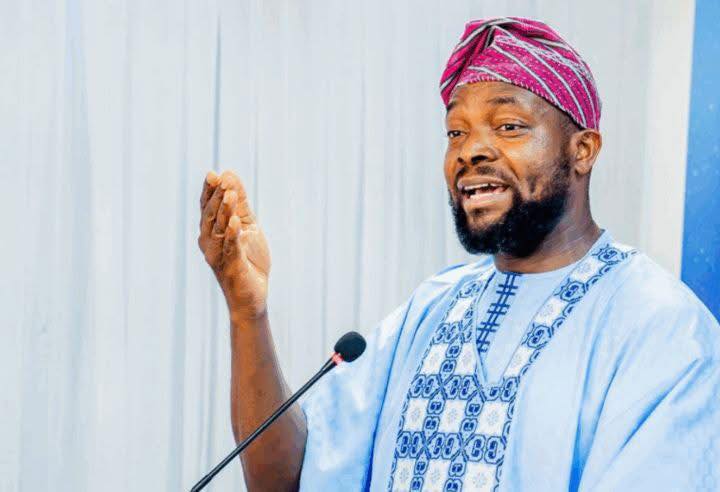
The Minister of Communications, Innovation and Digital Economy, Dr Bosun Tijani, has disclosed that about 23 million Nigerians are currently without access to communication services, as the Federal Government intensifies efforts to expand nationwide connectivity.
Dr Tijani made the disclosure while clarifying remarks he made during a recent interview on Channels Television, following public backlash to the comments.
He explained that gaps in digital infrastructure across parts of the country continue to limit economic opportunities, restrict access to essential services, and pose development and security challenges.
According to the minister, the administration of President Bola Ahmed Tinubu is addressing the situation through the deployment of new telecom towers to unserved and underserved communities, a move expected to significantly reduce the number of unconnected Nigerians.
He said the telecom towers project is part of broader digital infrastructure investments by the Federal Government, including Project Bridge, a proposed 90,000-kilometre national fibre-optic backbone designed to connect all geopolitical zones, states, and local government areas.
Dr Tijani also revealed plans to strengthen the Nigerian Communications Satellite (NIGCOMSAT) system through the replacement of its existing satellite and the launch of two new communication satellites to improve national coverage and resilience.
The minister noted that the combined impact of these initiatives would deepen connectivity, strengthen Nigeria’s digital economy, and promote inclusion, ensuring that digital infrastructure contributes meaningfully to national development.
Other News
He urged Nigerians to view his earlier comments within the context of the government’s digital inclusion agenda, stressing that the goal is to ensure no part of the country is left behind in access to communication services.
“In responding to a question during the interview, my objective was to explain that gaps in digital infrastructure and connectivity in some parts of the country represent a development and security vulnerability. These gaps limit economic opportunity, restrict access to services, and weaken coordination and inclusion.
“This is precisely why the administration of President Bola Ahmed Tinubu is making historic investments in digital infrastructure to ensure no part of Nigeria is left behind.
“These efforts include: Project Bridge, a 90,000-kilometre national fibre-optic backbone that will connect every geopolitical zone, state, and local government area, providing the foundation for ubiquitous connectivity.
“The deployment of 3,700 new telecom towers to unserved and underserved communities, which will enable over 23 million Nigerians who are currently unconnected to access reliable communication services.
“The strengthening of NIGCOMSAT, including the replacement of its current satellite and the launch of two new communication satellites, to further enhance national coverage and resilience.
“Together, these investments will deepen connectivity across the country, strengthen Nigeria’s digital economy, and ensure that digital infrastructure contributes meaningfully to economic prosperity, inclusion, and national development,” he stated.