Follow Us on Google

From Noah Ebije, Kaduna
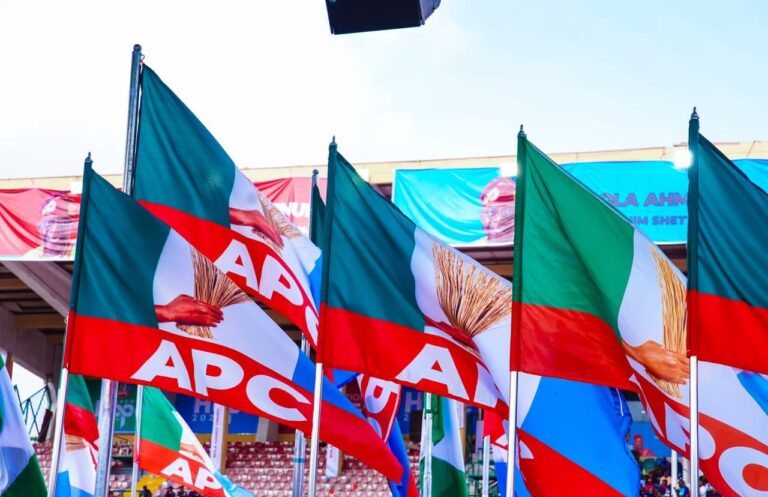
A chieftain of the All Progressives Congress (APC), Abdulhakeem Adegoke Alawuje, has said the opposition in Nigeria is gradually losing its influence as the country approaches the 2027 presidential election.
Alawuje made the remarks while commenting on recent political realignments across the country, claiming that President Bola Ahmed Tinubu currently enjoys the backing of 33 out of Nigeria’s 36 state governors.
According to him, the strength of the ruling party’s political structure has left opposition parties struggling to present a coordinated challenge.
“The ringing bell of the opposition has gradually turned into a mere firewood stick,” Alawuje said, arguing that opposition strategies have become outdated and ineffective.
He particularly criticised the coalition around the African Democratic Congress (ADC), describing it as lacking cohesion and long-term vision.
The APC chieftain said the ADC-led coalition appears to be united more by temporary political interests than by a shared ideology or national agenda.
According to him, internal divisions within the coalition are already becoming visible despite public displays of confidence.
“Many within the coalition appear united only by temporary benefits rather than by clear vision or ideological direction,” he said.
Alawuje argued that past political decisions by some opposition leaders contributed to their current challenges, alleging that they alienated key supporters when they held positions of authority.
Other News
He also suggested that some leading opposition figures may be reluctant to fully commit to the 2027 contest.
According to Alawuje, no opposition politician appears ready at this stage to deploy the level of resources and political mobilisation required to mount a strong challenge.
He added that several other opposition figures, including former ministers and governors, are currently observing political developments rather than organising a coordinated campaign.
Alawuje also commented on the situation within the People’s Democratic Party (PDP), once Nigeria’s dominant ruling party.
While the PDP may still retain strength in some local government contests, he said the party continues to grapple with internal divisions and declining national influence.
Despite his criticism of the opposition, Alawuje said democratic competition remains important for Nigeria’s political system.
However, he maintained that the political momentum heading toward 2027 currently favours President Tinubu.
“President Bola Ahmed Tinubu remains one of the most courageous and resilient democratic actors across Nigeria’s political landscape,” he said.
He added that many opposition figures are already aware of the political reality ahead of the next presidential election.