Follow Us on Google
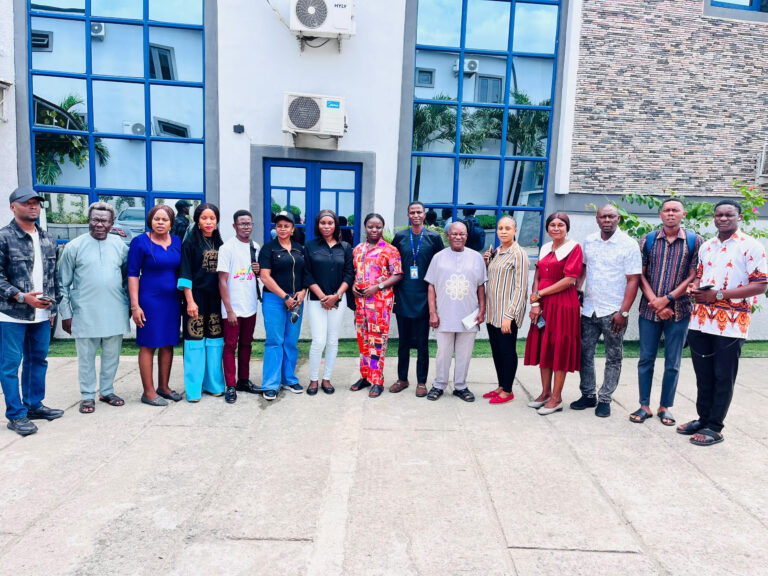
From Tony John, Port Harcourt
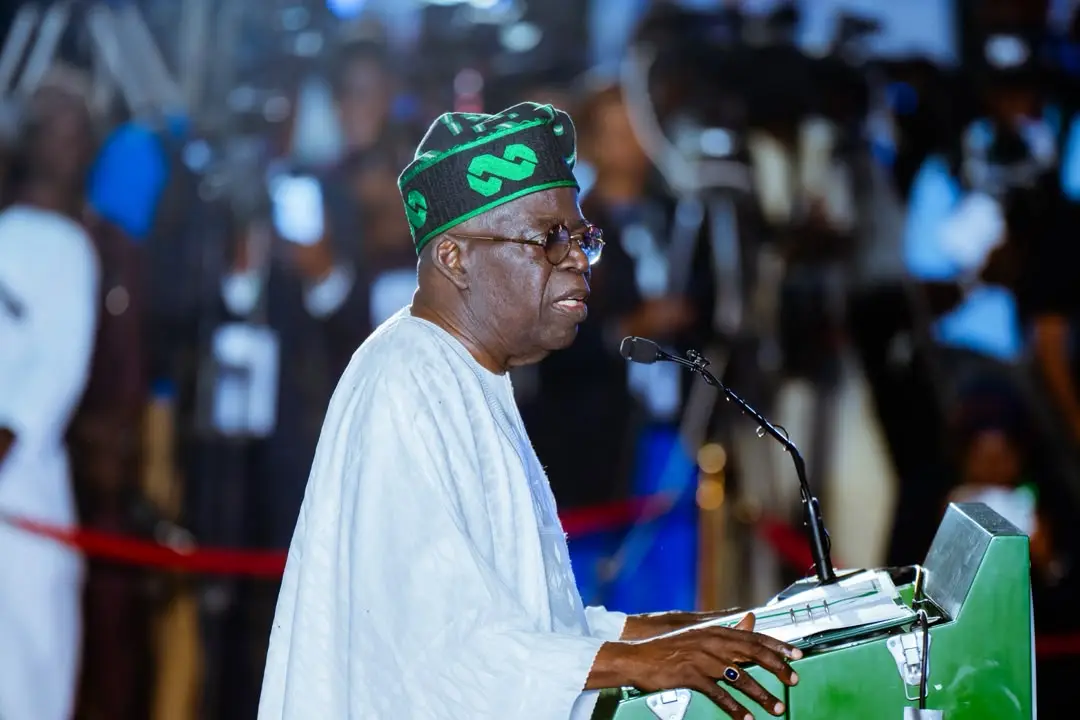
A staunch member of the All Progressives Congress (APC) in Rivers State, Princewill Dike, has declared that President Bola Tinubu’s chances of securing a second term in the 2027 presidential election will largely depend on political realignments, regional alliances and the ability of the ruling party to consolidate its influence across the country.
Dike argued that the political landscape ahead of the election appears favourable to Tinubu.
He cited developments across the South-West, South-South, South-East and northern regions as factors that could strengthen the president’s re-election bid.
According to him, the South-West remains a critical stronghold for Tinubu, who hails from the region.
He argued that the president could secure a landslide victory there, particularly in view of changing political alliances since the 2023 presidential election.
He cited Osun State, where former Vice President Atiku Abubakar won in 2023, noting that Governor Ademola Adeleke is now reportedly working towards Tinubu’s re-election and “has promised to deliver 1.5 million votes.”
Dike also expressed confidence that political developments in other South-West states could favour the president.
On the South-South, Dike maintained that Tinubu’s political fortunes had improved considerably since the last presidential election, pointing to the movement of governors in Akwa Ibom and Bayelsa States into the APC as developments that could strengthen the ruling party’s electoral prospects.
Other News
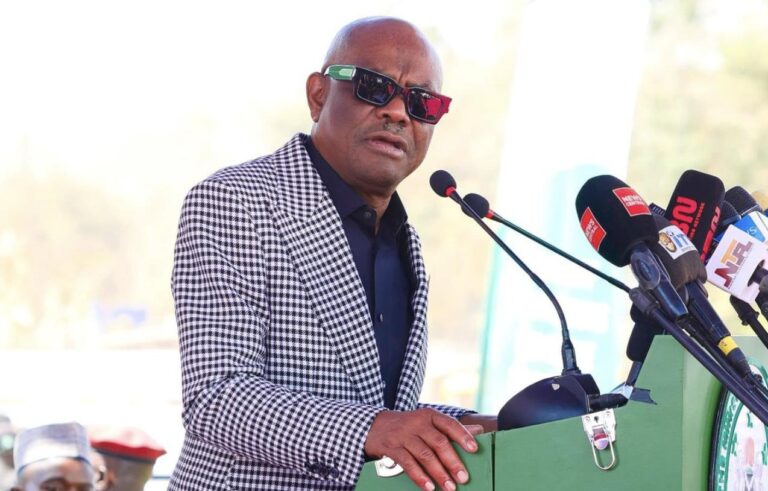
He also identified Delta, Edo and Cross River states as areas where Tinubu could consolidate support, while highlighting the political influence of the Minister of the Federal Capital Territory, Nyesom Wike, and his Rainbow Coalition in Rivers State and beyond.
Dike specifically referred to Wike’s political network in Rivers State and the activities of George Turnah in Bayelsa, arguing that the emerging alliances could weaken the electoral prospects of opposition figures, including Atiku Abubakar and Peter Obi.
In the South-East, the citizen journalist predicted that Tinubu could benefit from the calculations of some governors seeking to strengthen their political positions within the ruling party and improve their prospects in future national leadership contests.
He argued that “political ambitions among governors in the North could complicate Atiku’s efforts to secure overwhelming support in the region, particularly if influential political actors begin positioning themselves for the presidency after Tinubu’s tenure.”
Dike also highlighted Abuja as another political battleground, predicting that Wike’s influence as FCT Minister would pose a challenge to the opposition’s efforts to mobilise support in the nation’s capital.
The analysis, he said, rests on the assumption that political defections, alliances and the influence of state governors will translate into electoral support for Tinubu in 2027.
With the 2027 general election approaching, the major political parties are expected to intensify their mobilisation efforts, negotiate alliances and develop strategies to win support across the country’s six geopolitical zones.
For Dike, “the prevailing political alignments point to a strong possibility of Tinubu’s re-election.” Whether the President secures the landslide victory predicted, however, will depend on the electorate’s verdict when Nigerians go to the polls.