Follow Us on Google
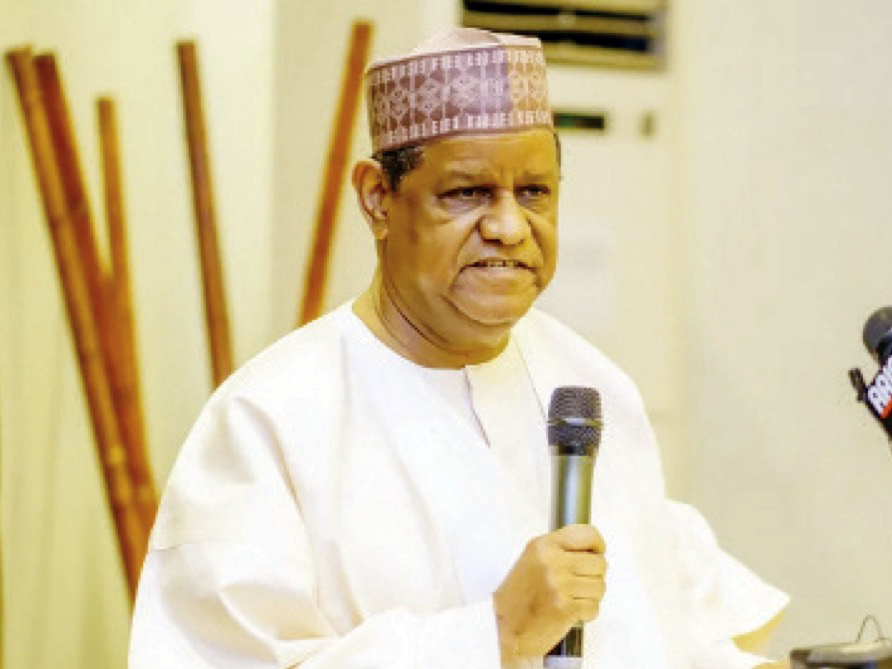
From Sola Ojo, Abuja
At a moment when Nigeria is grappling with escalating mass kidnappings, deepening poverty, and widening political uncertainty, Mohammed Hayatu-deen, a presidential aspirant contesting under the African Democratic Congress (ADC) has said the country is approaching a point of systemic exhaustion.
In this interview, the economist and former banker reflected on the worsening insecurity that has devastated communities across northern Nigeria, linking today’s crisis to decades of governance failures. He warned that poverty and unemployment have become the primary drivers of violence. Drawing from both personal experience and policy engagement, including past advisory roles to multiple administrations, he argued that Nigeria’s challenges are now structural rather than temporary.
You’ve heard disturbing reports of mass kidnappings and killings of senior military men in the North. What is your reaction?
I am completely devastated. There is so much carnage and bloodshed. For me, it is also personal. My sister was kidnapped years ago and taken to Sambisa Forest. She spent over two years in captivity before she escaped. So I understand this crisis firsthand.
But beyond that, we need to understand the background. Since the 1990s, governance challenges have created ungoverned spaces. Poverty has risen sharply. Over 100 million Nigerians are below the poverty line, and a large majority is in the North. When you combine that with poor education, weak healthcare, and unemployment, you create a pool of vulnerable young people.
Add to that external factors, the spread of weapons after the fall of Libya and the shrinking of Lake Chad, which has lost over 90 per cent of its size, affecting millions. All of this has pushed people into desperation.
Government must treat this as a top priority, something the president should focus on daily especially with available data.
Some argue that the North has held power for decades. In your view, why weren’t these issues addressed earlier?
I don’t fully agree with that framing. Governance is about leadership at a given time, not just regional identity.
Also, we must consider timing. As far back as 2008, we did not see the scale of insurgency we have today. Groups like Boko Haram emerged later, driven by accumulated deprivation.
Yes, there were underlying issues, but poverty has worsened significantly in the last 25 years. Before then, the region was relatively stable. You could sleep peacefully. What we are seeing now is a more recent escalation, and it should be understood in that context.
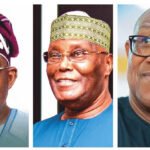
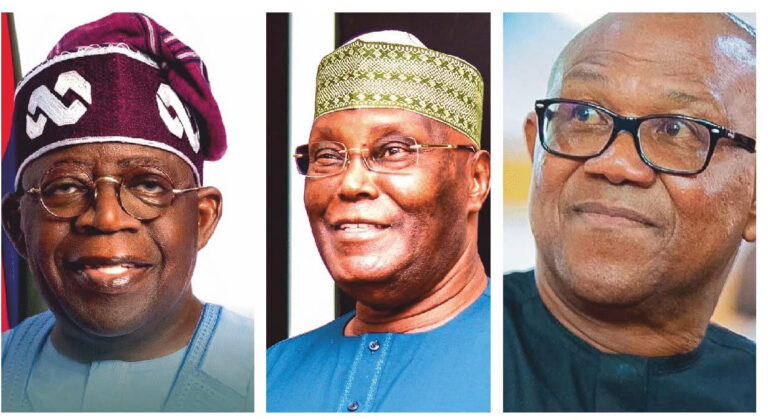
You are up against experienced politicians like Peter Obi, Atiku Abubakar, Rabiu Musa Kwankwaso, Rotimi Amaechi, Aminu Tambuwal, and Nasir El-Rufai, among others. What makes you a serious contender?
I am not an outsider. Since 1984, I have contributed to Nigeria’s development across public and private sectors. I have advised three administrations and played key roles in economic policy, including Vision 2010.
Others may have electoral experience, but I bring economic management and institutional leadership. Right now, Nigeria needs someone who understands how to fix a broken economy.
What is the first tough decision you would take in your first 100 days if you’re elected the next Nigerian president?
First, we must stop separating security from the economy. Poverty, unemployment, and lack of opportunity are driving insecurity.
I would elevate both national security and the economy to the highest level and convene experts across sectors to develop a clear national framework similar to what we did during Vision 2010 which has been working for the country since then.
Why did you choose the African Democratic Congress (ADC) as a political platform to run?
Other News
The opposition space has been weakened. The Peoples Democratic Party (PDP), where I was active, has declined. The New Nigeria Peoples Party (NNPP) and Labour Party are also facing crises.
ADC, on the other hand, is attracting experienced leaders and building a resilient platform. Despite obstacles even in organising conventions, the party has shown determination and growth.
You come from a technocratic background. Do you have the grassroots political strength to win elections?
I have been involved in politics all my life. From my education to my professional career, I have built relationships across Nigeria.
At institutions like the Nigerian Industrial Development Bank, I worked with multiple stakeholders, including state governors. That environment itself was highly political.
I also have networks across sectors and have quickly adapted to the realities of Nigerian politics in recent years. Politics is learned through experience, and I have that experience.
Do you have a political base, or are you relying on ideas alone?
I bring both ideas and growing support. Nigerians are increasingly looking for credible leadership with the right background to fix the country.
What is driving your ambition; national service or personal ambition?
It is a lifelong passion. From a young age, I have been deeply concerned about development and how societies function. I want to help rescue this country. That is my motivation.
If you don’t secure the ADC ticket, will you remain in the party?
Yes. I am not a political opportunist. That is why I took time before leaving the PDP.
I respect the ADC leadership and trust them. The presence of political movers like Senator David Mark and Rauf Aregbesola, among others, as leaders of the party means a lot. I will abide by whatever decision the party makes.
Do you prefer consensus or primaries?
That decision rests with the party. However, the current environment makes organising proper primaries very difficult due to time constraints and other challenges.
Why should Nigerians trust a technocrat to lead politically?
I will run a competent government. The principles of discipline, integrity, and accountability apply in both business and governance. When you make promises to the people, you must keep them.
Nigeria is heading toward serious trouble if leaders do not act responsibly. We are already seeing signs of strain. The country is, frankly, running out of oxygen.