Follow Us on Google
From Timothy Olanrewaju, Maiduguri
The World Health Organisation (WHO) has stepped up sensitisation of people against the spread of Lassa Fever in the northeast as 20 new cases of the disease reported in parts of the country.
WHO Northeast Emergency Manager, Dr Beatrice Muraguri said awareness about hygiene and the threat of Lassa Fever and other public health emergencies has increased in Borno, Adamawa and Yobe (BAY states) in recent times following the engagement of community volunteers by the global body to get information to the people.
“WHO has trained105 community health champions to create awareness, timely and optimum response to outbreak at the community level including hard-to-reach locations,” he told The Sun through the organisation’s public health officer, Dr Bala Hassan.
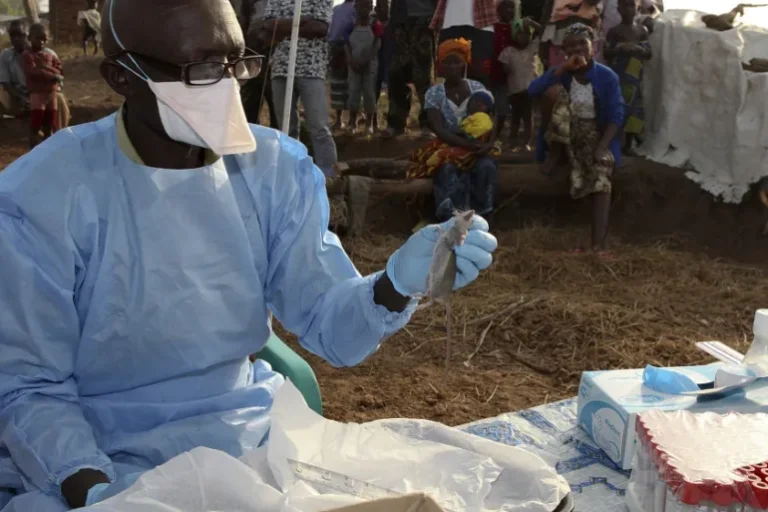
He said community hygiene to discourage rodents or rats from entering the house was key in the prevention of Lassa Fever.
An update this week by the National Centre for Disease Control (NCDC) shows a record of 20 new cases reported in 14 local governments in the country, a figure far higher than week 15 which recorded nine (9) cases.
“In week 16, the number of new confirmed increased from nine (9) in previous week 15, 2023 to 20 cases,” the centre disclosed on its Lassa Fever dashboard this week.
Two deaths related to the disease were also recorded, the centre revealed.
The update also puts the number of suspected cases within the week at 206 bringing the total suspected cases in the country from January till date to 4, 908.
The disease has also killed a total of 154 persons within the last four months (January to April), indicating the devastation it can cause to public health.
According to NCDC, the new cases were recorded in Edo, Ondo, Bauchi, Gombe and Taraba states. The disease has spread to 26 states.
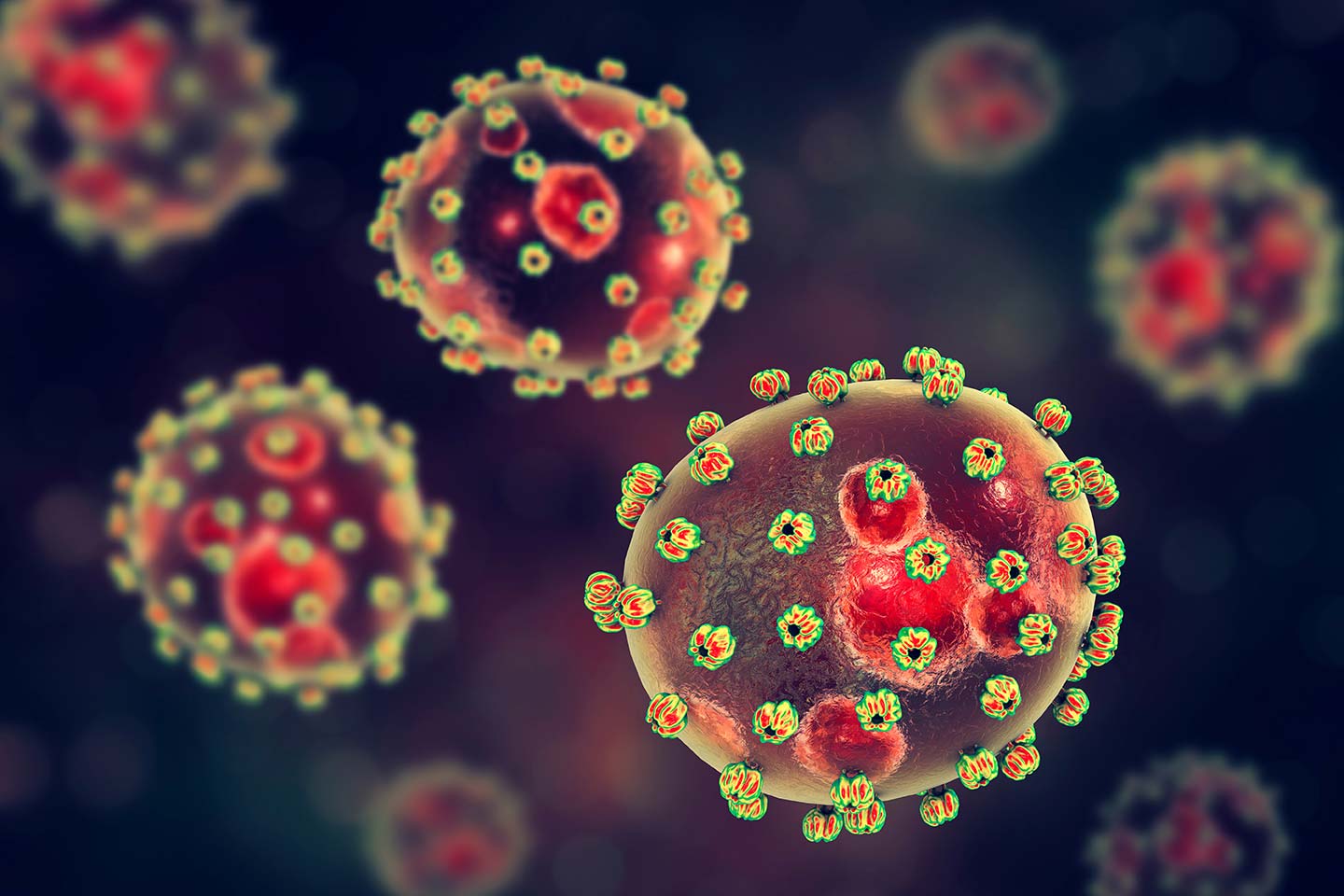
Lassa virus which leads to acute fever, is a viral disease often caused by rodents’ faeces, medical experts said. The virus in the rodents’ faeces when dropped on foods and consumables caused contamination and when consumed leads to severe fever.
Dr Bala Hassan, the WHO public health officer said human-to-human transmission also occurs in hospitals “where infection prevention measures and control are poor. “
He urged people to keep their foods in secure places and ensure a clean environment to prevent rodents.