Follow Us on Google

From Timothy Olanrewaju, Maiduguri
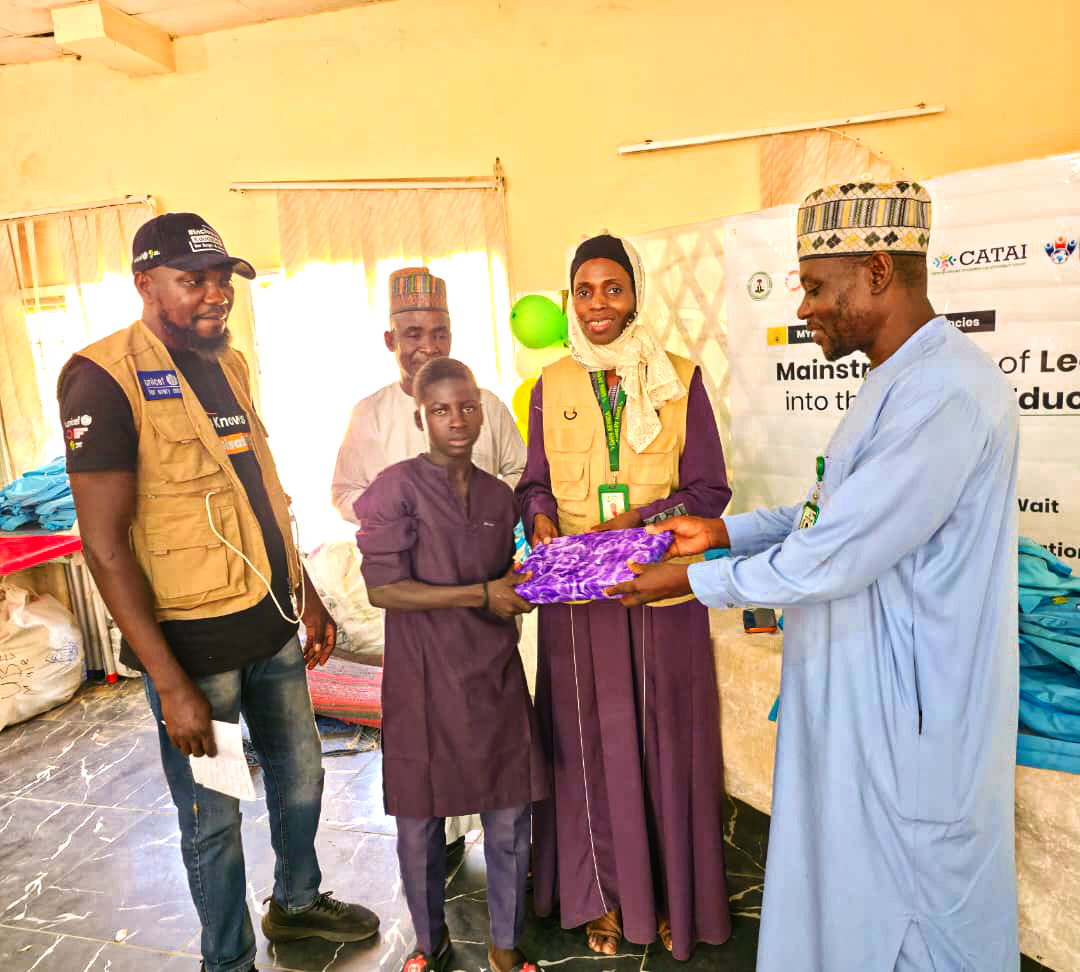
A total of 1,080 out-of-school children in Yobe State have completed a non-formal learning programme, with 877 set to enter formal schools, 150 proceeding to livelihood and vocational skills centres, and 53 continuing their Islamic education.
The children participated in a mainstreaming ceremony in Jakusko Local Government Area at the weekend following the programme implemented by Global Village Healthcare Initiative for Africa (GHIV Africa).
Speaking at the ceremony, the Commissioner for Basic and Secondary Education, Abba Idris Adam, said the intervention had provided an opportunity for children whose education was disrupted by conflict, displacement and other challenges to resume learning.
Represented by the ministry’s Director of Quality Assurance, Adamu Garba, the commissioner commended GHIV Africa and UNICEF for supporting the children’s return to education. He urged learning facilitators to identify more out-of-school children in rural communities, markets and other public places and enrol them in learning centres.
Adam also called on parents, caregivers and community leaders to support the intervention, stressing that education was a fundamental right of every child.
He assured development partners of the ministry’s readiness to support similar programmes across the state.
Other News
The Executive Director of GHIV Africa, Mulikat Bamidele, described the transition as a milestone in efforts to expand access to education for children affected by conflict and displacement.
She said the three-year programme was in its second year, with plans to enrol another cohort of learners and extend the intervention to more communities.
“GHIV Africa’s work will not end with the non-formal programme,” Bamidele said, pledging continued support to ensure the children’s successful transition.
She said the organisation would work with community volunteers, parents, teachers and school authorities to monitor attendance, address challenges and prevent the children from dropping out.
Bamidele acknowledged the support of UNICEF and Education Cannot Wait, alongside the cooperation of government agencies, traditional institutions, parents and community stakeholders.
Giving a breakdown of participation, she said 1,131 learners initially enrolled in the programme, while 1,080 sat for the final examinations.
Of those who sat for the examinations, she said 877 would transition to formal schools, 150 would proceed to livelihood and vocational skills centres, while 53 learners from Tsangaya centres opted to continue their Islamic education.