Follow Us on Google
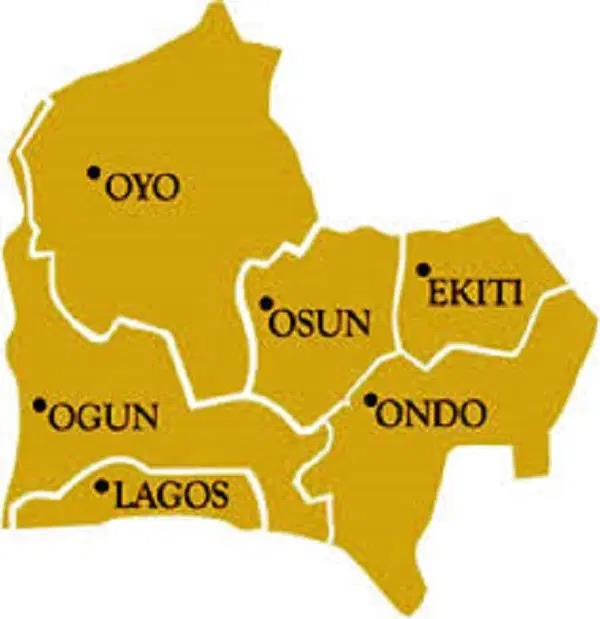
Awujo Omoluwabi, a Yoruba self-determination group, has rejected calls for a return to regional government in Nigeria, insisting that only an independent Yoruba nation can ultimately satisfy what it describes as the political, security and developmental aspirations of the Yoruba people.
The group, in a statement signed by its National General Secretary, Taiwo Odumosu, and National Organising Secretary, Prof. Olakunle Folami, said advocates of regionalism should not present the proposal as a constitutional settlement accepted by all ethnic nationalities.
It acknowledged the developmental achievements of the defunct Western Region, including free primary education, agricultural and industrial development, advancement in broadcasting and the establishment of public institutions, but argued that these achievements should not be interpreted as evidence that regionalism provided sovereignty.
According to the group, the regions of the First Republic enjoyed substantial autonomy but remained within a federation in which important responsibilities, including defence, external affairs and currency, were assigned to the centre. Awujo -Press Release -9 Sept 2026.docx
It cited the 1962 declaration of a state of emergency in the Western Region as evidence of the extent to which federal authority could intervene in regional affairs during a political crisis.
The statement said: “Regionalism may be the preferred destination of some nationalities, but it is not the final aspiration of the Yoruba people.”
It maintained that restoring regional governments while retaining overriding federal authority would not, in its view, resolve questions surrounding identity, security, resource control and political self-determination.
The group consequently declared support for an independent Yoruba nation, arguing that sovereignty would enable the Yoruba to determine their constitutional arrangements, economic priorities, security institutions and management of resources.
It, however, stressed that its campaign was not directed against other ethnic or religious groups and rejected violence as a means of achieving its objective.
“Independence does not require isolation, hatred or violence. It requires consent, negotiation, constitutional dialogue and an orderly democratic process through which the people may determine their political future,” it said.
Awujo Omoluwabi also called on Yoruba traditional institutions, professional bodies, intellectuals, workers, students, market associations, religious leaders, community organisations and members of the diaspora to participate in discussions on its proposed Yoruba nation.
It particularly urged advocates of regionalism not to suggest that their proposal enjoyed the consent of every ethnic nationality, saying the political future of the Yoruba should be determined through the freely expressed wishes of the people.
The group reiterated its opposition to violence and ethnic hatred, saying its campaign would pursue what it called “peaceful self-determination, democratic consultation” and an independent Yoruba nation.