Follow Us on Google

From Juliana Taiwo-Obalonye, Abuja
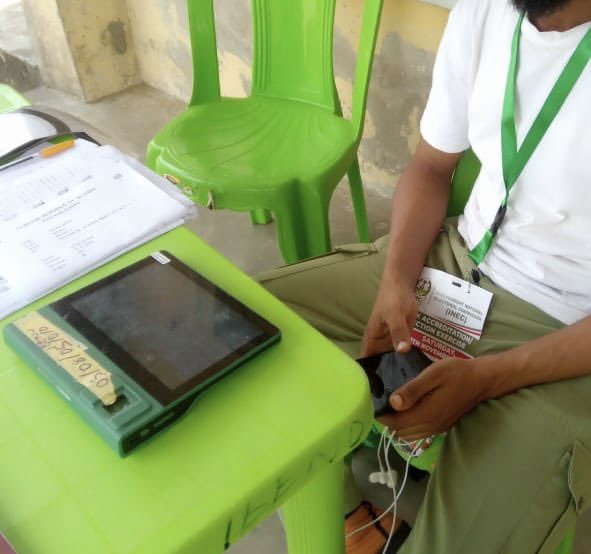
The election observer group Yiaga Africa has reported that accreditation and mock voting commenced in only 65 per cent of the polling units monitored by its citizen observers during the Independent National Electoral Commission’s (INEC) nationwide mock election exercise on Saturday.
The finding raises questions about the readiness of the electoral technologies and operational processes being tested ahead of the 2027 general election.
In its preliminary assessment, released through its Watching The Vote initiative, Yiaga Africa disclosed that only 195 of the 300 polling units in its observation sample had commenced accreditation and mock voting as of 10am.
The organisation said 275 of the 300 polling units had submitted reports to its monitoring platform as of 11am.
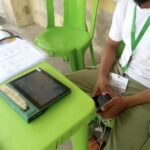
The exercise is designed to test the functionality and operational efficiency of the Bimodal Voter Accreditation System (BVAS) and the electronic transmission and uploading of polling-unit results ahead of the 2027 elections.
Yiaga Africa said its observers were tracking the performance of the technologies, including the accreditation process and the upload of results to INEC’s Election Results Viewing Portal (IReV).
Other News
The organisation is deploying its Process and Results Verification for Transparency (PRVT) methodology to independently assess the exercise, while its Election Results Analysis Dashboard (ERAD 2.0) is being used to monitor results uploaded to IReV.
INEC had selected 17,676 polling units across the 36 states and the Federal Capital Territory for the nationwide mock exercise. The selected polling units represent two polling units in each of the country’s 8,838 Registration Areas.
Yiaga Africa’s observation sample comprises 300 polling units, where it deployed 347 trained citizen observers and 60 data clerks to collect, transmit and analyse reports on the exercise.
The mock exercise forms part of INEC’s preparations for the 2027 general election, providing an opportunity to identify and address potential technological and logistical challenges before the systems are deployed during the actual polls.
The exercise is particularly significant as the commission seeks to strengthen public confidence in the use of technology for voter accreditation and the electronic transmission of election results.
Yiaga Africa’s independent observation is expected to provide an additional layer of scrutiny of the exercise and generate evidence-based recommendations for improving electoral transparency and credibility.