Follow Us on Google

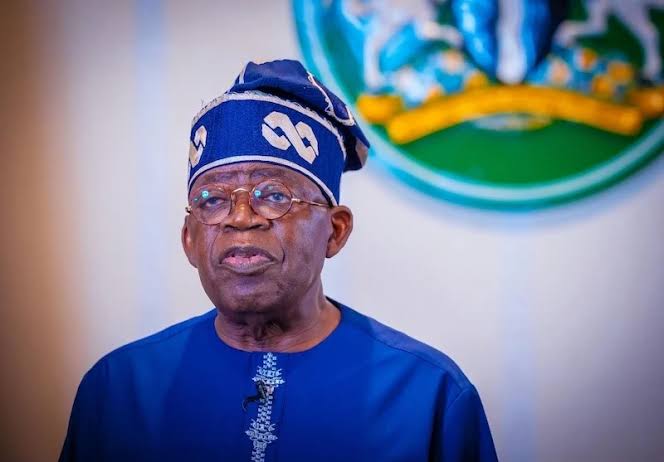
From Adanna Nnamani and Francis Onyedikachukwu, Abuja
The Special Adviser to President Bola Tinubu on Economic Affairs, Tope Fasua, has said Nigeria has passed through the worst period of its ongoing economic reforms, expressing optimism that the country’s economy is beginning to recover.
He said the most difficult phase of the reforms occurred between late 2023 and 2024, while 2025 also presented challenges, particularly in ensuring that the benefits of the economic changes reached more Nigerians.
Fasua spoke on Thursday at the “Nigeria We Want” Dialogue organised by the host of Moneyline with Nancy on African Independent Television (AIT), Nancy Nnaji, in Abuja.
He said although Nigerians were still facing economic hardship, the removal of fuel subsidy and changes to the foreign exchange system were necessary to address long-standing problems in the economy.
According to him, the former fuel subsidy system cost the country about $15bn annually, while multiple exchange rates created opportunities for people to make profits from currency differences at the expense of the wider economy.
The presidential aide said the reforms were beginning to produce results, including improved access to foreign exchange for businesses and manufacturers and changes in the petroleum sector.
He, however, warned that the gains could only be sustained through higher productivity, investment and stronger economic fundamentals rather than excessive government spending and short-term interventions.
“I think that the worst is over. The worst of the reforms were late 2023 and 2024,” he said.
Fasua explained that a stable national economy was necessary for businesses to expand, create jobs and improve household incomes.
“The micro-economy sits on the macro-economy. If you don’t build a strong macro, you can’t go anywhere with the micro,” he said.
He cautioned against relying mainly on cash handouts and other temporary measures to address economic hardship, arguing that such interventions would not solve the country’s deeper economic problems.
Instead, he urged Nigerians to identify business opportunities in the country’s challenges, particularly in agriculture, manufacturing, housing, transportation, healthcare, education, technology and oil and gas.
Using the example of two young Nigerians with similar ambitions, Fasua said while one could decide to seek opportunities abroad, the other could identify gaps in the local economy and turn them into profitable businesses.
“Where others see problems, he sees customers. Where others see achievements, he sees the market,” he said.
Other News
He added that Nigeria had plenty of opportunities but needed greater confidence, information, creativity and determination to develop them.
“Nigeria is not short of opportunity. We are sometimes short of the confidence, information, imagination, and determination to develop Nigeria,” he said.
Fasua also called for a change in public discussions about the economy, warning that excessive attention to negative developments could weaken confidence and discourage investment.
He cited the country’s 4.43 per cent economic growth in the second quarter of 2026, inflation of 14.06 per cent in October and foreign reserves above $55bn as signs of improving economic conditions.
He said a stronger naira must be supported by increased production, exports, investments, foreign reserves and confidence in the monetary system.
“A stronger naira must be earned through a stronger economy. It cannot be legislated into existence,” he said.
The presidential aide also urged Nigerians to improve their personal financial management through savings, investments, responsible borrowing and financial education.
He described financial literacy as essential for managing current economic realities, warning that earning more money without proper spending habits could still leave individuals in financial difficulties.
“Financial literacy is not a luxury. It is a survival skill,” he said.
Fasua said the responsibility for building a prosperous Nigeria rested on its citizens rather than foreign countries.
“The people we have been waiting for to build Nigeria are sitting in this room. In our homes, in our businesses, in our universities, and in our communities. It is us. We are the ones we have been waiting for. Nobody is going to develop Nigeria for free,” he said.
Earlier, the convener of the dialogue, Nancy Nnaji, said the event was organised to bridge the gap between government economic policies and the everyday experiences of Nigerians.
She said the forum was designed to help citizens understand how government decisions affect their businesses, incomes and livelihoods.
Nnaji added that it would also provide practical information on accessing loans and other funding from Development Finance Institutions, as well as managing, protecting and growing personal finances.
She said financial knowledge should not be limited to people who already had money but should help more Nigerians build wealth and make informed financial decisions.