Follow Us on Google
By Uche Usim
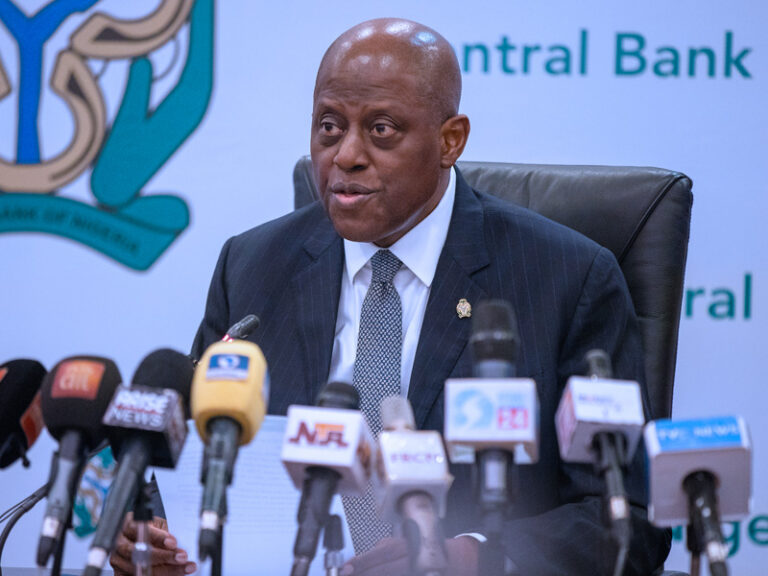
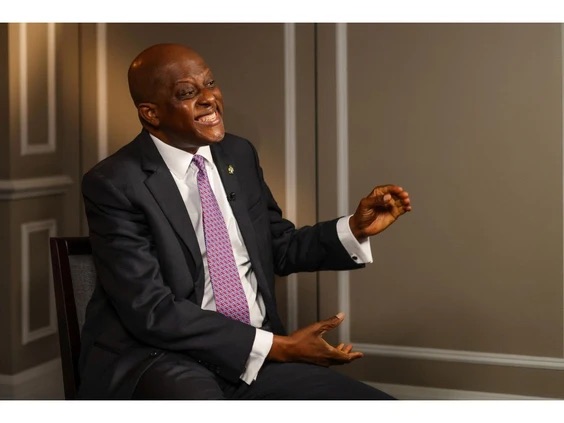
Nigeria’s Central Bank Governor, Olayemi Cardoso, expressed measured satisfaction with the strides made in stabilizing the naira, signaling a hopeful end to the currency’s severe fluctuations.
In an interview with Bloomberg TV on Tuesday, Cardoso conveyed his optimism, stating, “I do believe that we have more or less seen the worst in terms of volatility.” He elaborated on the Central Bank’s proactive approach, emphasizing their vigilant monitoring of market operations. “We are keenly observing the dynamics of the market to ensure it operates in a manner that maximizes value. By employing specific instruments, we aim to maintain this newfound stability,” he added. Cardoso’s remarks highlight a strategic commitment to sustaining the naira’s stability, reflecting both a cautious optimism and a forward-looking vision for Nigeria’s financial landscape.
He said the Monetary Policy Committee of the CBN will continue to work hard to reign in inflation and ultimately stabilise the economy.
CBN Governor Olayemi Cardoso has prioritised tackling inflation as essential for achieving sustainable economic growth and improving living standards. His commitment to this mission is reflected in the central bank’s ongoing efforts to control inflation through rigorous monetary policy measures.
Recently, the apex bank noted that its monetary policy tightening measures are effectively curbing inflation as headline month-on-month inflation rate slowed for the third consecutive month in May 2024.
According to the National Bureau of Statistics (NBS), headline inflation decelerated to 2.14 percent in May from 2.29 percent in April and 3.02 percent in March. This marks a significant drop from the 3.12 percent recorded in February.
Food inflation, a key driver of overall inflation, also declined for the third straight month. It fell to 2.28 percent in May from 2.50 percent in April, and significantly from 3.79 percent in February. This reduction in food inflation reflects a slowdown in price increases for essential goods, providing some relief to consumers.
The consistent decline in monthly inflation rates underscores the CBN’s Monetary Policy Committee (MPC) confidence in their strategy. The combination of tighter monetary policies and coordinated fiscal measures from the Federal Government aims to address the high cost of living that has plagued Nigerians, particularly following the Covid-19 pandemic. While year-on-year inflation remains elevated, the monthly figures are crucial for gauging the immediate impact of the CBN’s policy interventions since interest rate hikes began in February this year.
The continued success in reducing inflation rates is critical for stabilizing Nigeria’s economy and enhancing the welfare of its citizens. The CBN’s proactive stance demonstrates a firm resolve to navigate the challenges posed by inflation and set the country on a path to long-term economic stability.
In April, at the Spring Meetings of the IM-World Bank in Washington DC, Cardoso commented on inflationary pressures and high FX demand saying strategic efforts were made to achieve relative stability, particularly in the FX market.
“We have transitioned from firefighting to strategic planning across key areas.
“These areas include improving the ease of doing business in Nigeria, to consolidating and sustaining the gains through an efficient and transparent market system and boosting financial and economic inclusion for small businesses and households, interrogating all potential ways to leverage smarter use of technology, and remote banking to reduce the cost of transactions and expand accessibility to the financial system”, he explained.
He said the Nigerian foreign market was experiencing robust activities, with turnover reaching levels not seen in over seven years.
“This liquidity boost instills confidence among investors, businesses, and other partners, ensuring fluidity in their interactions with Nigeria’s FX markets.
“However, we remain vigilant, recognizing the challenges that persist, such as elevated inflation driven by rising food prices, transportation costs, and energy expenses. We note that inflation though rising is doing so at a decelerated rate and we are confident it will soon commence a fall.
“Security concerns in food-producing regions and infrastructure challenges also demand attention. The CBN has implemented a number of policy reforms to address some of these various pressures and, while I am confident enough today to talk about some of our early success, I am at the same time extremely mindful of our ongoing challenges.
“We still have work to do in solving all our problems, however, we do have a determined pathway and a sequenced approach to tackling all challenges ahead, working hand in hand with our key stakeholders including investors, banks, businesses – and, notably, our counterparts on the fiscal side”, he added.