Follow Us on Google
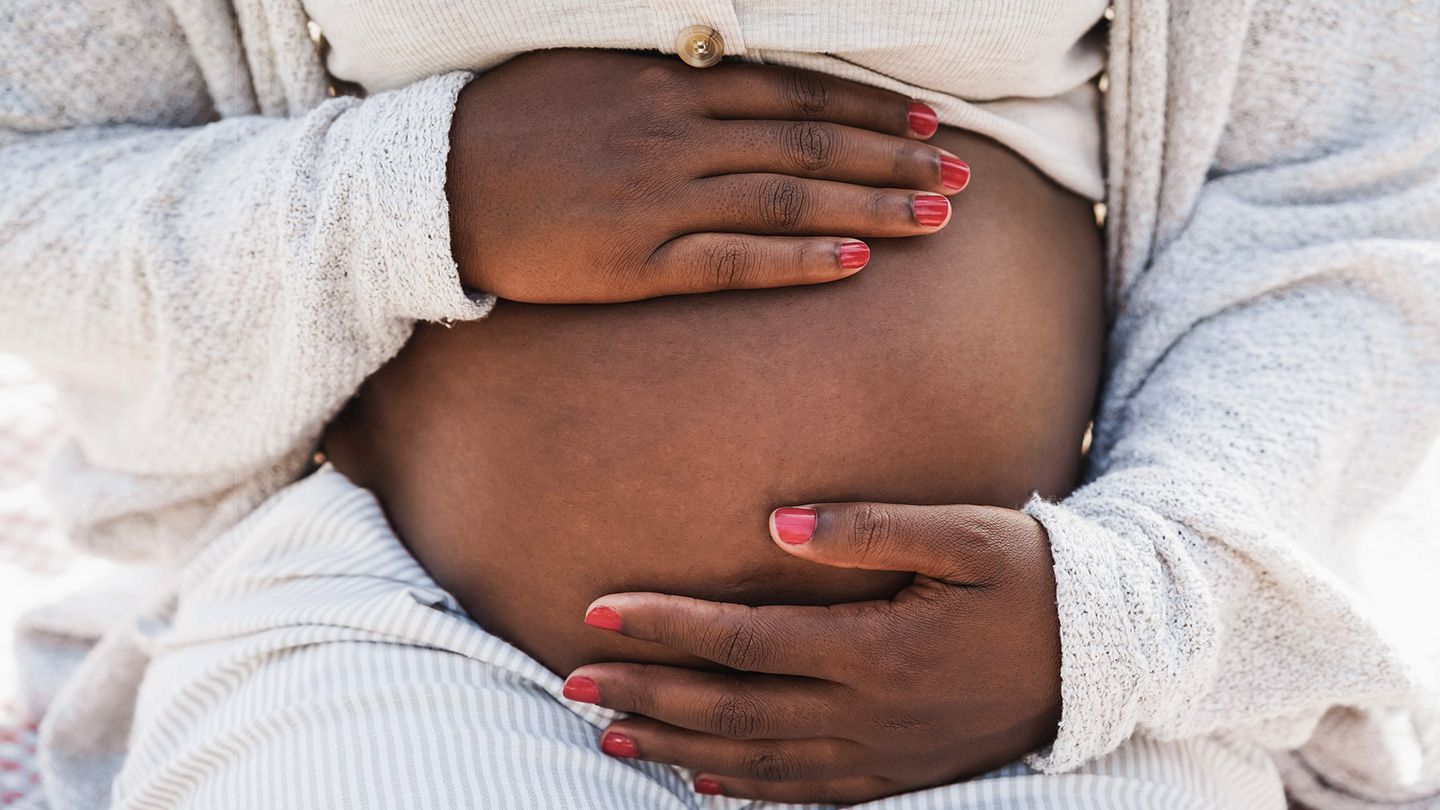
The new report by the United Nations (UN) agencies that every two minutes, a woman dies in the world during pregnancy and childbirth is lamentable. It further shows the poor state of maternal and child care in sub-Saharan Africa, which accounts for most of the deaths. It is also a wake-up call on governments and health authorities in the affected countries to invest more resources on healthcare, especially at the primary healthcare level, which unarguably carries over 70 per cent of the disease burden in these countries.
In 2004, the World Health Organisation defined maternal mortality as the death of a woman from pregnancy-related causes during pregnancy or within 42 days of pregnancy, expressed as a ratio to 100,000 live births in the population being studied. The report, ‘Trends in Maternal Mortality 2000-2020,’ which was recently unveiled by the World Health Organisation (WHO), United Nations Children’s Fund (UNICEF), United Nations Population Fund (UNFPA), World Bank Group and the United Nations Department of Economic and Social Affairs (UNDESA), showed the decline in women’s health in recent years.
The report also revealed that 70 per cent of all maternal deaths in 2020 were recorded in sub-Saharan Africa. The Director General of the WHO, Dr. Tedros Adhanom Ghebreyesus, commented that “while pregnancy should be a time of immense hope and a positive experience for all women, it is tragically still a shockingly dangerous experience for millions around the world who lack access to high quality, respectful health care.”
Globally, the report showed that there were about 287,000 maternal deaths in 2020. This indicated a marginal decrease from 309,000 in 2016, following the inauguration of the UN’s Sustainable Development Goals (SDGs). According to WHO, it is estimated that in sub-Saharan Africa, 390 women will die in childbirth for every 100,000 live births by 2030.
This figure is more than five times above the 2030 SDG target of a fewer than 70 maternal deaths per 100,000 live births, and much higher than the average of 13 deaths per 100,000 live births witnessed in Europe in 2017. This is more than the global average of 211. It observed that while Africa has scored some of the fastest reduction rates globally in key health objectives, the momentum is waning. According to Dr. Matshidiso Moeti, WHO Regional Director for Africa, “this means that for many African women, childbirth remains a persistent risk and millions of children do not live long enough to celebrate their fifth birthday.”
Moeti also advised that “it is crucial that governments make a radical course-correction, surmount the challenges and speed up the pace towards the health goals. These goals aren’t mere milestones, but the very foundations of healthier life and well-being for millions of people.”
Medical experts state that the major causes of maternal mortality include infections, usually after childbirth; high blood pressure during pregnancy (pre-eclampsia and eclampsia); complications from delivery; and unsafe abortion. The major causes of maternal deaths in Nigeria include hypertensive disease of pregnancy, antepartum hemorrhage and prolonged labour.
In Nigeria, the maternal mortality rate is still very high at 576 deaths per 100,000 live births. About 262,000 babies die at birth every year in the country. The Nigerian situation, as far as maternal mortality is concerned, is not encouraging. Experts say that lack of access to health is the major trigger of maternal deaths in the country. At present, the nation’s primary health care system is performing below expectation. In some states, the primary health care is not working at all. Some rural communities in Nigeria do not have a health centre and even patent medical vendors.
It is sad that many Nigerian women still die during pregnancy and child birth despite our abundant human and material resources. Therefore, we call on all tiers of government to invest more resources in maternal and child health care. Since lack of skilled birth attendants contributes so much to our high maternal mortality rate, local birth attendants should be trained, especially in areas without any health facility.
At the same time, there is need to train more midwives as well as doctors on maternal and child care. Nigeria must reverse the trend of worrisome maternal deaths. We call on the WHO, UNICEF, UNFPA and other development agencies to assist countries in sub-Saharan Africa overcome the challenge of maternal deaths.