Follow Us on Google
By Seyi Babalola
A health intervention supported by the SARMAAN Project has reached more than seven million children across parts of northern Nigeria through the administration of azithromycin, according to data from the first quarter of 2026.
The mass drug administration (MDA) was carried out in Kaduna, Kano, Bauchi and Jigawa states, targeting children with medication aimed at preventing infections linked to high child mortality rates.
Health workers involved in the programme say community acceptance remains a key factor in its implementation.
Blessing Fwaje, a nurse and midwife, noted that parents play a central role in the success of such interventions.
“Parents are essential partners in MDAs,” she said, adding that informed caregivers often support efforts to improve children’s health outcomes.
Other News
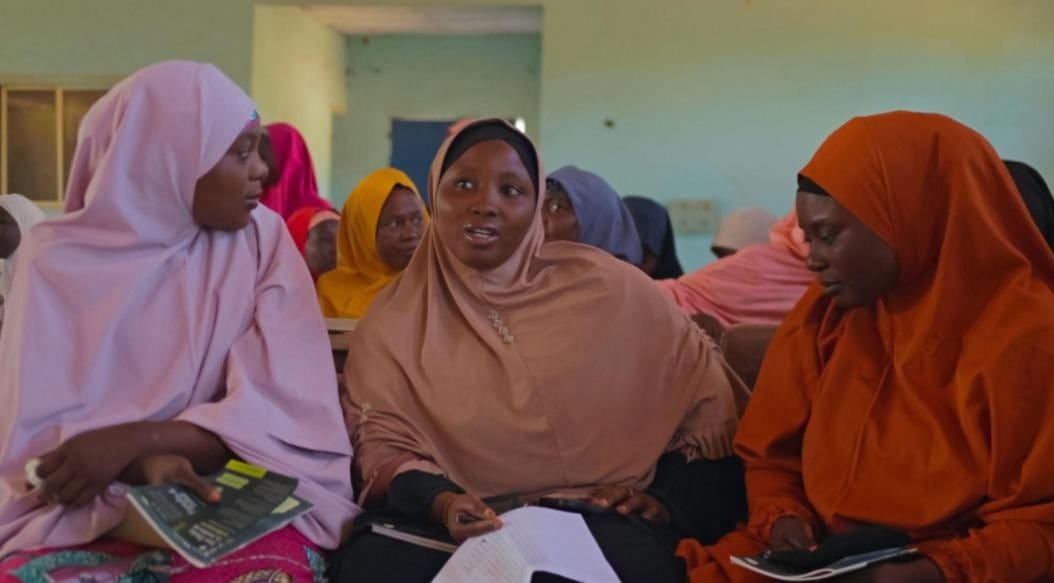
As part of the programme, engagement sessions were held with parents and caregivers before the distribution of drugs.
These sessions focused on explaining the purpose of the medication, eligibility, and safety measures.
Community, religious and women leaders were also involved in the sensitisation efforts to encourage participation and address concerns within local communities. In Kaduna and Kebbi states, over 1,000 parents and caregivers were reportedly reached through such engagements.
Health experts note that factors such as access to healthcare, cost of living, and differing health beliefs continue to influence decisions by families on whether to participate in medical programmes.
The intervention coincides with activities marking World Health Day 2026, with stakeholders highlighting the role of community cooperation in improving child health outcomes.