Follow Us on Google
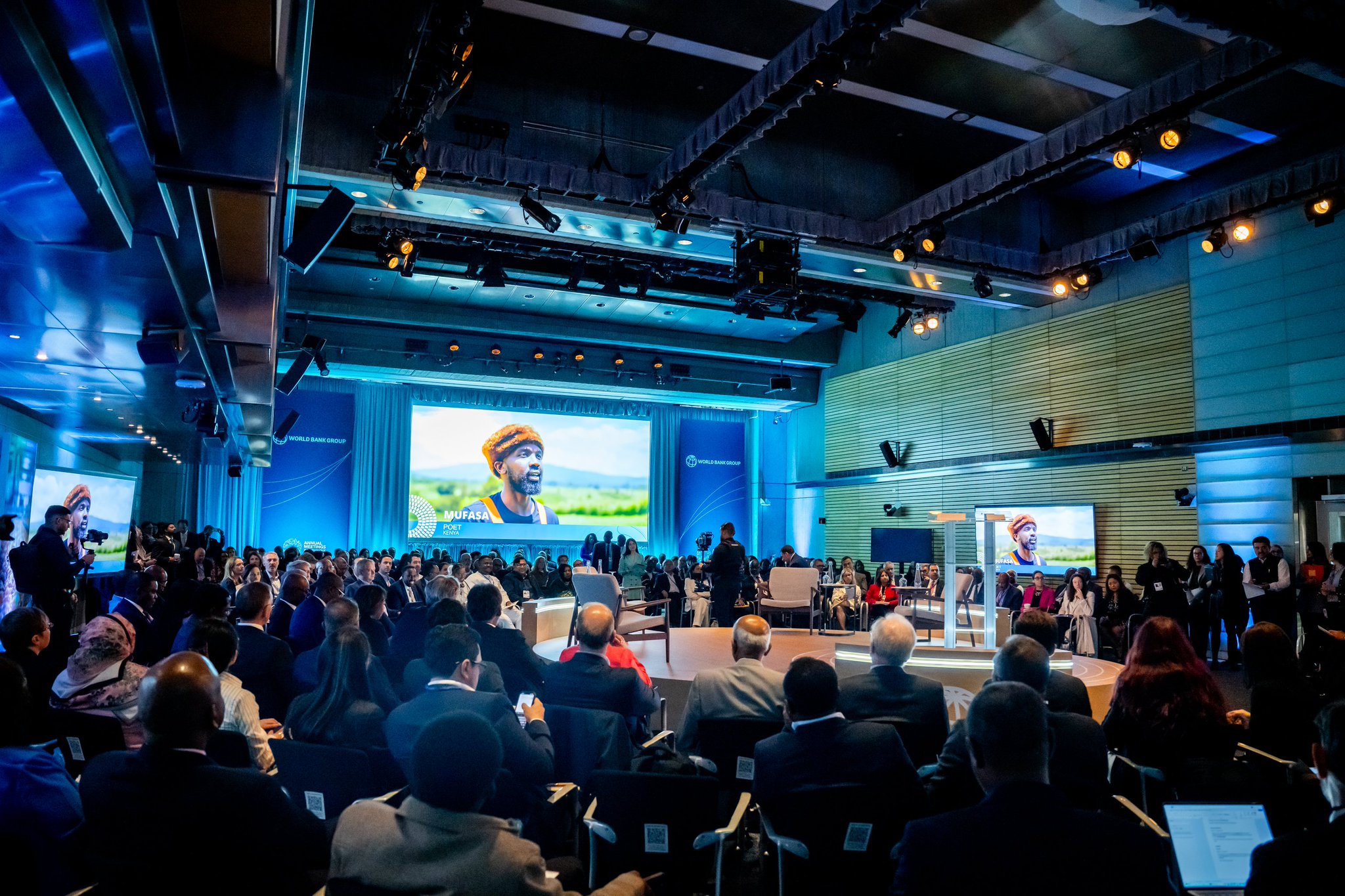
From Uche Usim, Washington DC
With over a billion young people in developing countries set to enter the workforce over the next decade, World Bank Group President, Ajay Banga, has warned of a looming global employment crisis, and identified agribusiness as a key solution.
“Over the next 10–15 years, about 1.2 billion young people in developing countries will come of age, yet current trends suggest only 400 million jobs will be created,” Banga told delegates at the AgriConnect Flagship Event during the 2025 Annual Meetings.
He added: “That gap, hundreds of millions, could either power the global economy or spill over into unrest and migration.”
Banga emphasised that agriculture is central to bridging this gap. “The challenge today is not just to grow more food—but to turn that growth into businesses that deliver higher incomes for smallholder farmers and generate opportunities across entire economies,” he said.
Other News
The World Bank’s strategy focuses on building infrastructure and skills, creating a business-friendly environment, and backing investors with risk tools to attract capital. Agribusiness is at the forefront, particularly in Africa, Asia, and Latin America, where smallholder farmers manage most farmland but remain stuck in subsistence agriculture. “Globally, 500 million smallholders produce 80% of the world’s food, yet fewer than one in ten have access to commercial finance,” Banga noted.
To tackle these challenges, the World Bank aims to double its agribusiness commitments to $9 billion annually by 2030 and mobilize an additional $5 billion. “Producer organizations can connect farmers to suppliers, insurers, buyers, and lenders. That creates predictable routes to market, raises incomes, and strengthens job creation,” Banga explained.
Digital technology is also crucial. “Tools like AI crop diagnostics and mobile payments build credit histories, lower financing costs, and draw more lenders. That is the virtuous loop we are building,” he added.
Banga concluded with a warning and a call to action: “We must act now. Governments, businesses, and development partners must row together to ensure the next generation has jobs, income, and opportunities.”