Follow Us on Google

The World Bank and BudgIT have raised fresh concerns over how Nigeria’s state governments are managing their growing fiscal resources, warning that higher revenues since 2023 have not translated into faster budget execution or stronger investment in education, healthcare and social protection.
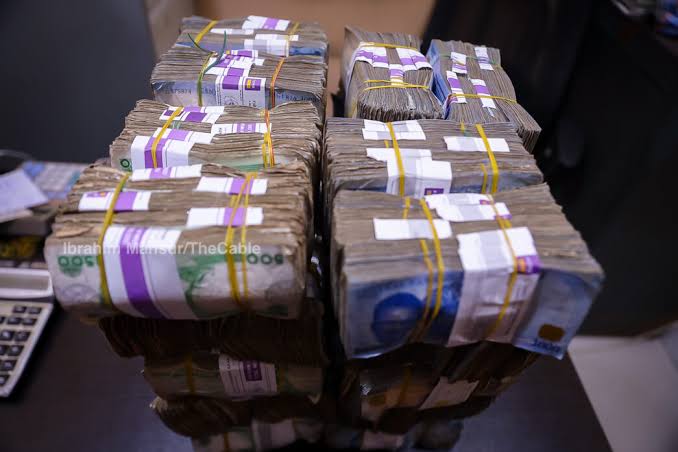
While transport infrastructure has absorbed an increasing share of state spending, BudgIT reports that 34 states spent only N8.60 trillion, 24.4 per cent of their combined N35.22 trillion approved budgets, in the first half of 2026, leaving N26.62 trillion unspent by the end of June.
The findings were disclosed at the launch of the 11th edition of BudgIT’s State of States Report, themed From Allocation to Impact: Rethinking State Spending Priorities.
A representative of the World Bank, Gloria Joseph-Raji, said the assessment was timely because state governments had received substantially higher revenues following recent macroeconomic reforms, including exchange-rate unification, the removal of petrol subsidy and improvements in tax administration.
She said additional resources had also accrued to states through federal settlements of longstanding obligations and dedicated intervention funds for infrastructure and security.
“Since mid-2023, exchange rate unification, petrol subsidy removal, and improvements in tax administration have expanded fiscal revenues across all tiers of government,” Joseph-Raji said.
According to her, states have also improved their internally generated revenue, giving them greater capacity to meet obligations and finance essential public services.
She noted that whereas many states previously struggled to pay salaries, all states were now meeting salary commitments and had additional resources available for service delivery.
However, the World Bank warned that the growth in transport infrastructure expenditure had outpaced investment in education, healthcare and social protection, including in states with weaker human-capital outcomes.
Joseph-Raji said the findings were consistent with the World Bank’s October Nigeria Development Update, titled Beyond the Federal Purse – How Higher State Revenues Reshape State Priorities. The report examined expenditure patterns across the 36 states and assessed how priorities had changed following the increase in public revenues since 2023.
It found that most states had expanded transport infrastructure investment and reduced domestic debt burdens. But the expansion in infrastructure spending had not been matched by comparable growth in spending on human development.
“The challenge is no longer simply how much revenue state governments receive, but whether the resources are being directed towards sectors with the greatest development impact,” Joseph-Raji said.
Other News
She stressed that state governments have primary or shared responsibility for education, healthcare, roads, agriculture and electric power, while working with local governments on primary healthcare, basic education and sanitation. How they allocate resources, she said, therefore has direct implications for Nigerians’ welfare and human capital.
BudgIT’s Country Director, Vahyala Kwaga, said the slow budget performance in the first half of 2026 raised concerns about the pace of implementation and the ability of states to convert rising revenues into developmental outcomes.
He called for closer scrutiny of how state governments allocate and deploy public resources, arguing that larger budgets would mean little if projects and services remained delayed or unimplemented.
The warnings come despite a significant improvement in state finances. The World Bank said federation transfers remained the dominant source of funding for most states, accounting for 73 per cent of aggregate state revenues between 2021 and 2025, excluding Lagos State, which has a relatively large internally generated revenue base.
Joseph-Raji warned that this dependence left most states exposed to fluctuations in federally shared revenues. She added that internally generated revenue remained narrowly based and was sufficient to cover recurrent expenditure in only two states.
She urged states to strengthen public financial management by improving budget credibility, cash management, commitment controls and public investment management. States should also integrate fiscal risk and debt management more closely into budget processes, she said.
Joseph-Raji further called on state governments to incorporate donor-funded activities into their budget systems and report them consistently in budget implementation reports and annual financial statements.
She acknowledged that fiscal transparency had improved since BudgIT began its assessments. When the initiative started, only five of Nigeria’s 36 states publicly released their budgets; today, nearly all states publish annual budgets, quarterly implementation reports, audited financial statements and debt reports.
But she said more needed to be done to ensure that improved reporting translated into better expenditure decisions and measurable improvements in living standards.
“The effectiveness of public expenditure is essential to ensuring that higher revenues translate into better spending outcomes and into lasting improvements in the living standards of Nigerians,” she said.
Joseph-Raji also urged greater attention to local government fiscal operations, noting that local governments are closest to communities and play a key role in delivering essential services.
She encouraged BudgIT and development partners to extend fiscal transparency and accountability assessments to the local government level.