Follow Us on Google
From Juliana Taiwo-Obalonye, Abuja
The Federal Ministry of Women Affairs and Social Development has signed two game-changing memorandums of understanding (MoUs) to equip 10,000 Nigerian women and vulnerable groups with electric tricycles and deliver four million solar electric cookstoves, advancing green jobs, gender equality and Nigeria’s climate goals.
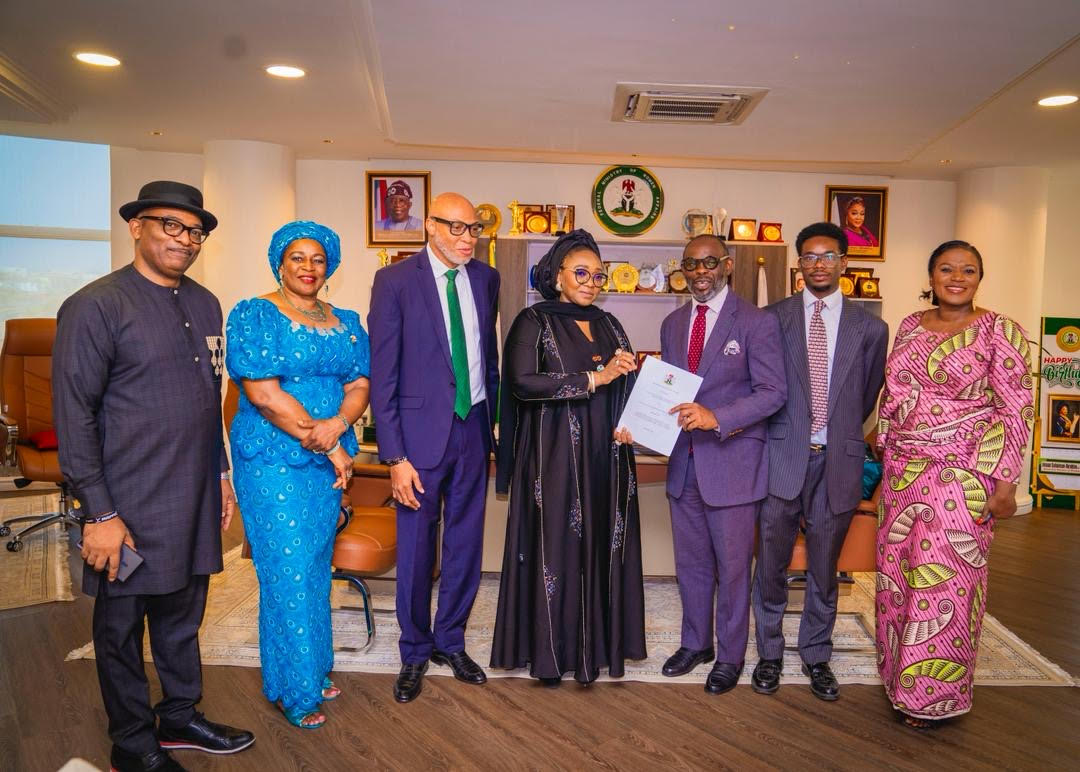
Under the Green Economy Empowerment 774 (#GEE774) programme spanning all 774 local government areas, Permanent Secretary, Esuabana Asanye, signed the first MoU on behalf of Minister Imaan Sulaiman-Ibrahim with Sparrow Mobility Limited, represented by Director of Sales, Adeniyi Ologunleko. The deal provides three-wheeler electric tricycles – including eight-seater models and rice mill variants – for commercial use.
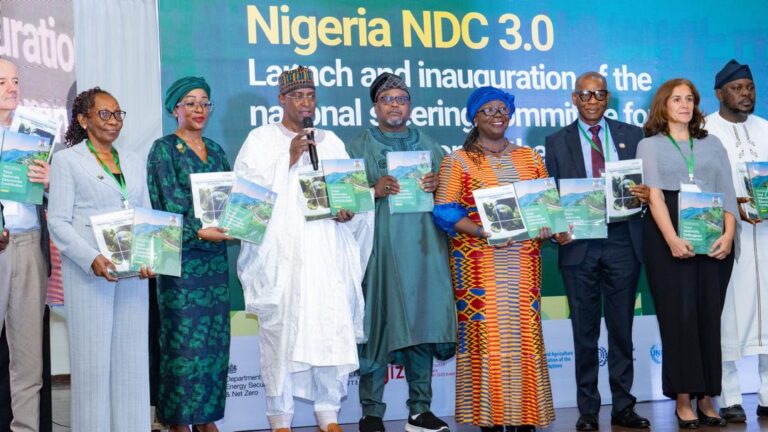
“This initiative aligns with Nigeria’s Nationally Determined Contributions (NDCs) under the Paris Agreement, propelling the nation closer to net zero emissions by 2060,” the minister stated. “By embracing electric mobility, we are not only reducing greenhouse gas emissions but also fostering a cleaner, healthier environment for future generations.”
Other News
She added, “We are not just providing transportation; we are opening doors to economic opportunities. This initiative will create green jobs, foster entrepreneurship, and empower women to fully engage in the economy, leading to greater stability and growth in line with President Bola Ahmed Tinubu’s Renewed Hope Agenda.”
In a related development, Mrs Asanye signed another MoU with Clean Sustainable Renewable Solutions Limited (CSR Solutions) for the cookstoves, targeting households nationwide to slash indoor air pollution, which kills about 95,000 Nigerians yearly, mostly women and children, and offset 4.5 tonnes of CO2 per unit annually.
The minister highlighted the dual benefits: “By easing the burden of traditional cooking methods, we’re giving women more time for education and economic opportunities.” She emphasised, “As we commit to clean cooking and zero emissions today, we promise a healthier, cleaner, and more equitable future for our women, children, and communities.”
Women, the minister noted, are “integral to our communities, and their empowerment is a catalyst for positive change”, positioning them as “dynamic agents of transformation”.