Follow Us on Google
By Josfyn Uba
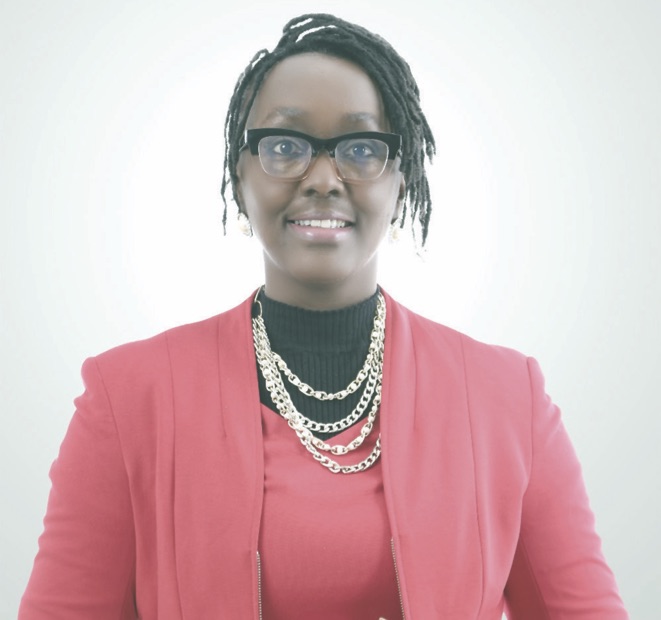
Barr. Chika Vivian is an advocate for the Nigerian girl child. As a lawyer, she brings professional rigour and passion to a cause that continues to impact on people’s lives across the country.
In this interview with Daily Sun, the convener of VeeBee Foundation reflects on her journey, the challenges, and the broader fight for gender equality.
Nigeria has several pieces of legislation, including the Child Rights Act. To what extent have these laws been effective in protecting children in general and girls in particular?
The Child Rights Act is, without doubt, a comprehensive and commendable piece of legislation. However, its effectiveness has been uneven across the country. One of the core issues is that not all states have fully domesticated the Act, which means its protections are not applied universally.
Where it has been adopted, enforcement mechanisms are often weak, with limited accountability when violations occur.
Public awareness remains low, particularly in rural areas, where many citizens are unaware of the legal rights afforded to children. Cultural resistance also plays a significant role, especially when it comes to issues like child marriage and female autonomy—topics that are still considered sensitive or taboo in some communities.
As a result, girls, who are often more vulnerable, frequently fall through the cracks. This highlights a hard truth: legislation on its own is not enough. Without social reform, education, and a cultural shift in how girls are valued and protected, even the strongest laws will struggle to deliver meaningful impact.
Concerning SDG 5 (Gender Equality) and SDG 10 (Reducing Inequality), what are the realistic prospects for Nigerian women, considering the present socio-political landscape?
Nigeria is currently navigating complex challenges—gender inequality, political instability, and economic hardship all weigh heavily on the nation, particularly on women and girls. While some progress is evident, especially in the areas of advocacy and female entrepreneurship, the reality is that structural inequality remains deeply entrenched.
There is, however, room for optimism. We are beginning to see more women step into leadership roles, particularly within politics and civil society. There is growing momentum behind policy reforms aimed at addressing wage disparities, gender-based violence, and access to education. In addition, youth-led movements and innovations are bringing fresh energy and new approaches to these long-standing issues.
Yet, for any of this progress to be sustainable, women must be placed at the centre of policy design and decision-making. It is not enough to include them in the conversation—they must have a meaningful voice and the power to shape outcomes. Political will is essential to drive true inclusion and systemic change.
At the VeeBee Foundation, we remain hopeful, not based on idealism, but grounded in action. Our work is firmly aligned with the goals of SDG 5 and SDG 10. We believe that a more equal Nigeria is not only possible—it is within reach. The key lies in early intervention: invest in the girl child, instill in her a strong sense of value, and she will rise. And when she does, she brings others with her.
What began as a spark of compassion has grown into a movement for transformation.
Nigeria currently has one of the highest numbers of out-of-school children globally—an alarming statistic, with girls making up the majority. In your view, how can we reverse this trend, and what role is your foundation—and others like it—playing to address the issue?
Reversing this trend demands a comprehensive approach. We must begin with community engagement, challenging the cultural beliefs and social practices that devalue girls’ education. It’s also vital to introduce meaningful incentives that support school attendance, such as scholarships, school meal programmes, and vocational training opportunities. Above all, we need to ensure that schools are safe, inclusive spaces—particularly for adolescent girls who are at greater risk of harassment or dropout.
At the VeeBee Foundation, we are tackling this issue from multiple angles. We provide essential educational materials to under-resourced girls and run sustained awareness campaigns that promote the importance of education for girls, both within families and across communities. In addition, we offer safe mentorship spaces where girls are encouraged to pursue learning and personal growth in a nurturing environment. Our goal is not simply to get girls into classrooms, but to keep them there, thriving.
Recent court rulings in Lagos resulting in convictions for child sexual abuse suggest a shift in societal tolerance. How can we build on this progress to more firmly embed protective measures for young girls?
Those rulings are encouraging. It’s important that justice is seen to be done. But one or two victories aren’t enough—we need systemic change. Survivors must have access to legal aid, emotional support, and safe places to recover. Educators and community leaders must be trained to identify and report abuse, and the public must be reminded that silence protects perpetrators, not victims.
Media and storytelling are also powerful tools. They help normalize difficult conversations and shift mindsets. We must celebrate legal victories not just to mark progress, but to inspire others to speak out and demand justice. At the Foundation, we work hard to ensure that girls know their rights and have access to trusted adults and safe, confidential channels through which they can report abuse. But this work cannot—and should not—fall solely to NGOs. The responsibility lies with all of us. Government, civil society, the private sector—we must all commit to building a safer, more protective environment for every child.
Given the moral decline evident in today’s society, how can we establish meaningful mentorship structures for young people, and why is this especially critical for the girl child?
Mentorship, at its core, is the power of presence—the presence of a sound guardian who provides guidance, accountability, and a positive example. Sadly, such figures are becoming increasingly scarce. One of the central pillars of the VeeBee Foundation is our unwavering belief in the transformative power of mentorship, particularly for girls.
We live in a society that is loud, confusing, and often morally disoriented. Many girls are surrounded by conflicting messages and lack safe, consistent, empowering voices in their lives. What they need are individuals who will truly see them, listen to them, and walk alongside them, not just give advice, but be present and intentional.
At the VeeBee Foundation, we train women from all walks of life—teachers, mothers, professionals—to serve as mentors. These women meet regularly with girls to talk about values, purpose, self-worth, and practical life skills. Mentorship, in our view, gives girls both the permission to dream and the tools to realise those dreams.
Establishing effective mentorship structures means starting within communities. We recruit and train mentors who reflect the realities of the girls they’re guiding—women they can relate to and trust. We work with faith-based organisations and schools to provide structured mentoring programmes and develop age-appropriate, value-driven content that speaks to the challenges girls face today.
This work is critical because when girls are mentored with care and consistency, they grow in confidence, resilience, and vision. They are better equipped to navigate societal pressures and make choices that reflect their true potential.
What legislative or societal interventions do you believe are still necessary to ensure the welfare and rights of the girl child are properly safeguarded?
From a legislative standpoint, the Foundation is a strong advocate of the Child Rights Act, along with other existing laws designed to protect children. However, the reality is that only around two-thirds of Nigeria’s states have fully domesticated the Act. This leaves a significant number of girls outside the protection of the law, vulnerable to abuse, neglect, and exploitation.
Even in states where the law is in place, enforcement tends to be weak. Many families are unaware of their legal rights, and unfortunately, perpetrators are too often shielded by silence, societal norms, or their social status. This culture of silence must be broken if we are to make meaningful progress.
We believe institutions like the National Orientation Agency have a vital role to play in this. They must step up their efforts to raise awareness and educate the public, particularly in rural communities, about the rights of the child and the legal protections that exist. Awareness campaigns need to be far more vigorous, reaching both urban and remote populations with clear, consistent messaging.
We are calling for full and uniform domestication of the Child Rights Act across all Nigerian states, along with stronger, child-friendly systems for reporting abuse and accessing justice. These systems must be supported by widespread public awareness, as well as localised monitoring efforts that involve parents, teachers, religious leaders, and community figures. Penalties for crimes such as child marriage, trafficking, and abuse must be enforced more consistently, and schools and institutions must be held accountable through mandatory reporting mechanisms. We also need gender-inclusive policies in both public and private sectors to ensure that girls are given equal opportunities in education, employment, and leadership. Ultimately, safeguarding the girl child requires not only laws, but a shift in cultural mindset—and that begins with education, advocacy, and consistent community engagement.
What have been the most significant challenges the Foundation has faced?
Despite the progress we’ve made, the journey has been anything but easy. One of the most persistent challenges has been cultural resistance. In some communities, speaking up for the girl child is viewed as rebellious or even disrespectful to tradition. We’ve had to invest time and effort into building trust, showing that empowering girls does not threaten family structures—it strengthens them.
Funding has also been a constant hurdle. The Foundation operates with limited financial resources, which makes it difficult to scale our work or provide ongoing support to the girls we reach. Maintaining long-term contact with beneficiaries, especially those in high-risk or highly mobile populations, remains a particular challenge.
Reaching rural or remote communities also presents logistical difficulties. Many of the areas where help is most needed are the hardest to access, either due to poor infrastructure or limited transport links.
Another pressing issue is the lack of adequate support systems for girls who have experienced abuse or dropped out of school. Even when we intervene, sustaining that support without broader institutional backing is tough. On top of all this, the national security situation has restricted our ability to operate in certain regions altogether. In areas with serious security threats, there is often little we can do, despite the urgent needs on the ground.
What inspired you to focus your foundation’s work in this specific area of service?
The inspiration came from direct, personal encounters with vulnerable girls who were exposed to abuse, neglect, and denied access to their most basic rights—especially education, guidance, and moral grounding. I saw, time and again, how the absence of values and direction could lead to damaging ideologies, not only for the girl child but for the boy child as well.
I came to understand that changing the story of just one girl could have a generational impact. That belief, combined with my professional background in human resources and community engagement, led to the creation of a platform dedicated to promoting dignity, values, and empowerment.
At the VeeBee Foundation, we focus on raising a generation of unique girls through our V.A.L.U.E. framework—Voice to communicate, Access to the support they need, Leadership that empowers, Understanding that nurtures, and Empowerment that equips them to thrive.
Importantly, we do not exclude the boy child from this mission. We are actively partnering with other foundations to extend our support and value-based approach to boys as well. In investing in the moral and emotional development of both girls and boys, we believe we are laying the foundation for a stronger, more responsible future.
Since the establishment of VeeBee Foundation in 2020, what would you identify as its key achievements to date?
Since its establishment in 2020, the VeeBee Foundation has quietly but powerfully been reshaping the narrative for hundreds of girls across Nigeria. These are the stories of girls who have known pain, faced fear, and yet chosen to rise.
The Foundation serves as a strong and unwavering voice for the girl child, standing against teenage pregnancy, child marriage, trafficking, and the silent erosion of potential. It exists to challenge norms, defy limitations, and open doors that have too often been closed. At its core, VEEBEE stands for Voices of Empowerment and Education, Bridging Ethical Excellence—a name that reflects both its mission and its method.
At a time when national headlines are filled with troubling statistics on out-of-school children, rising cases of sexual abuse, and deeply rooted gender inequality, the Foundation remains firm in its belief that one inspired vision, when paired with consistent grassroots action, can drive lasting and meaningful change.
Over the years, the VeeBee Foundation has made significant strides in promoting the welfare of the girl child. Its community-based mentorship programmes have helped girls aged seven to eighteen build confidence, develop core values, and acquire vital life skills. Public awareness campaigns have tackled issues ranging from menstrual hygiene to gender-based violence and the importance of education. Educational support—through the provision of school supplies—has brought relief to countless underprivileged families. In addition, the Foundation has hosted capacity-building workshops and interactive media sessions, equipping adolescent girls with a better understanding of their rights and the freedom to make informed choices.