Follow Us on Google
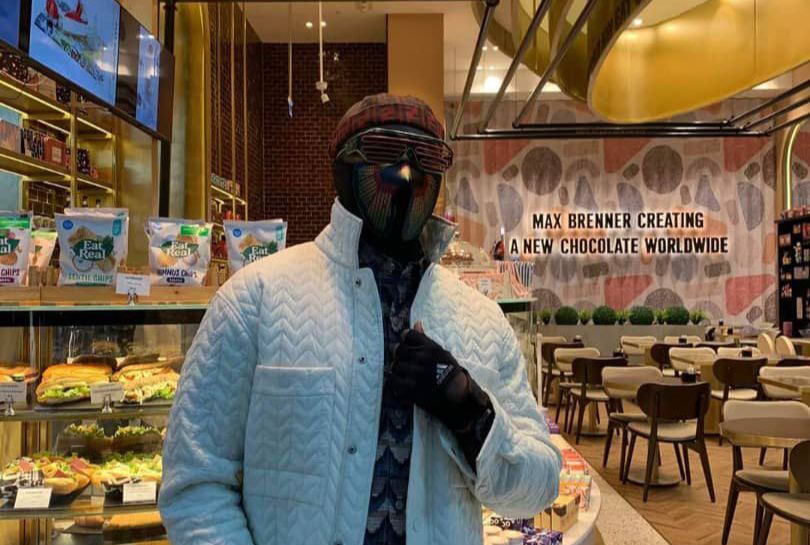
The Nigerian musician and academic, says his mask is meant to redirect attention away from celebrity culture and toward ideas many people are uncomfortable confronting.
Speaking on the Life Before Fame podcast, Uptown the Maskking said modern Africa is suffering from what he described as “mental slavery” and cultural amnesia.
“The face is inconsequential,” he said. “Follow the sound. Follow the spoken word.”
Uptown the Maskking believes Africans have been taught to see themselves through Western narratives that diminish their value and history. According to him, this mindset has fueled dependency, weak institutions, and poor leadership across the continent.
“We don’t see Africa from African eyes,” he said. “We see ourselves from the eyes of the West, and that is a serious fault in our thinking.”
The artist traced many of today’s challenges to historical disruptions caused by slavery, colonialism, and what he described as modern forms of economic control. He cited foreign debt arrangements, loss of local industries, and declining food security as evidence that Africa has failed to protect its interests.
“You cannot borrow money and be told how to use it,” he said. “There is no freedom in that.”
Uptown the Maskking also questioned why African countries remain disconnected from one another, pointing to the lack of integrated transport systems, poor intra-African trade, and weak collaboration across borders. “How can Africa be united when we cannot even travel freely among ourselves?” he asked.
Despite the depth of his political commentary, Uptown the Maskking insists his work is rooted in music, not activism alone. He described songs like Africa and Maffo as attempts to balance intellectual depth with accessibility.
“Everybody is a champion,” he said, explaining the message behind Maffo. “People are on their knees because they haven’t been given the right opportunities to stand.”
He expressed concern that many contemporary artists avoid difficult truths in order to protect endorsements and income. “We are trying to be politically correct,” he said. “But truth is not always comfortable.”
According to him, the role of the artist is to challenge power, not to echo popular opinion. “When conscious music dies, society loses its voice,” he said.
Uptown the Maskking said Africa’s future depends on leaders who think beyond short-term gains and focus on systems that will serve generations yet unborn. He warned that emerging technologies like artificial intelligence could deepen inequality if African societies fail to prepare intentionally.
As for his place in Africa’s future cultural history, Uptown the Maskking said the mask will remain a symbol of both struggle and renewal. “It reflects where we are and where we must go,” he said.
He closed the conversation with a message of personal responsibility. “Before we criticize others, we must train ourselves,” he said. “Change in Africa begins with the individual.”