Follow Us on Google
From Adesuwa Osunde
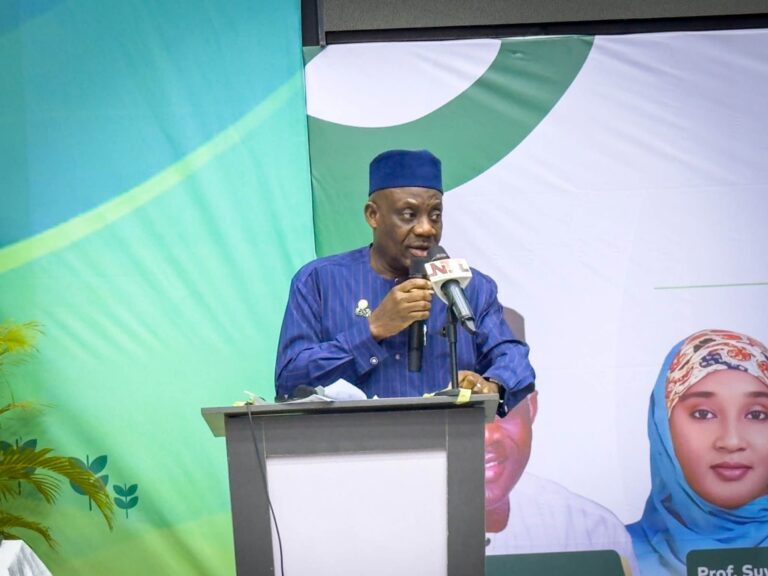
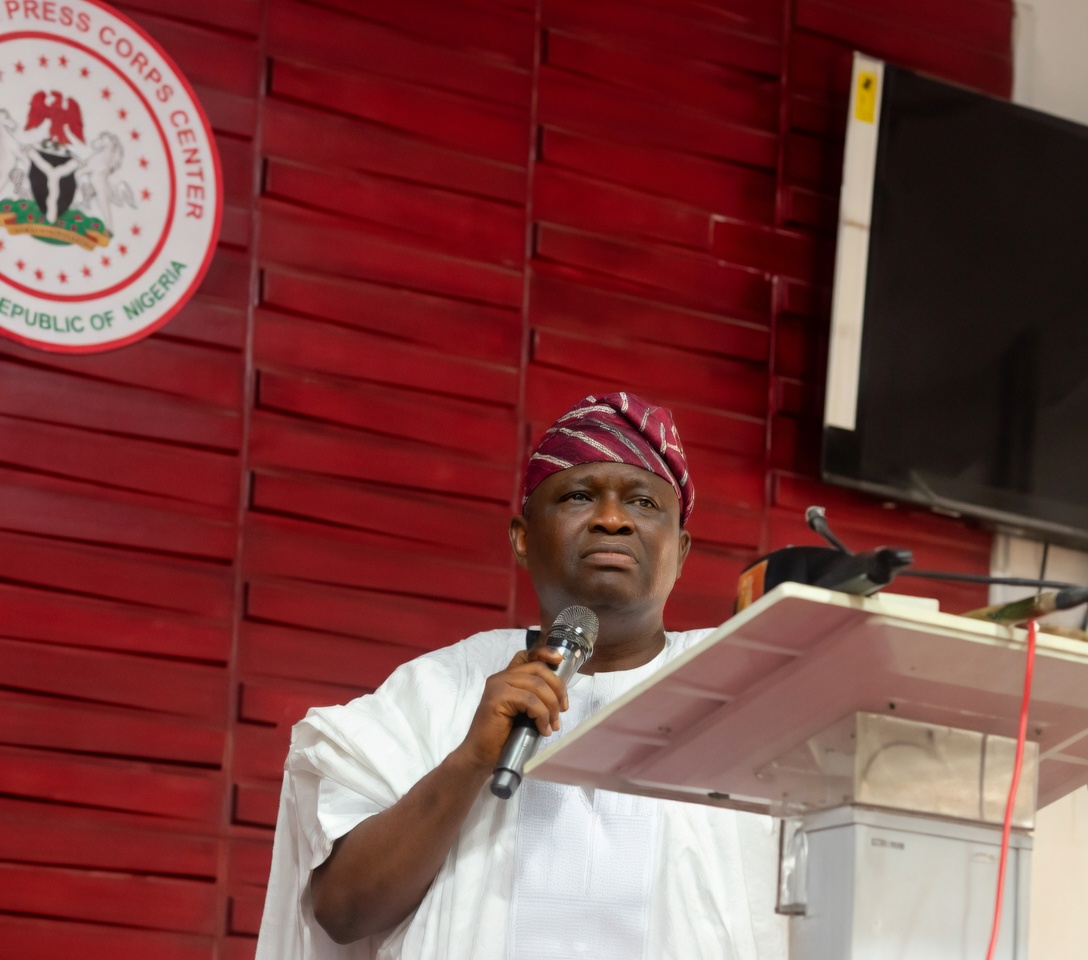
The Chairman of the Senate Committee on Appropriation, Olamilekan Adeola Solomon, has explained the rationale behind the National Assembly’s approval of an additional ₦9 trillion to the 2026 Appropriation Bill, raising the total budget to ₦68.323 trillion.
Addressing Senate correspondents on Tuesday after the passage of the 2026 budget, Adeola said the upward review became necessary following formal requests from the executive arm to accommodate emerging national priorities and address funding gaps in key sectors of the economy.
According to him, President Bola Ahmed Tinubu had initially presented a ₦58.4 trillion budget to the National Assembly in December 2025. However, after joint legislative scrutiny by both chambers, lawmakers approved an additional ₦9 trillion following detailed consideration of supplementary proposals submitted by the executive.
Adeola stressed that the process followed due legislative procedures and was fully transparent, noting that every addition was backed by official correspondence and subjected to rigorous scrutiny by both the Senate and House of Representatives.
He described the revised fiscal plan as consistent with President Tinubu’s Renewed Hope Agenda, adding that it represents a “Budget of Consolidation” aimed at sustaining ongoing reforms and strengthening Nigeria’s economic recovery trajectory.
Responding to concerns over the scale of the increase, the lawmaker said the legislature was mindful of public scrutiny and ensured that each component of the supplementary provisions was properly justified to avoid disruption in government operations.
He disclosed that a major component of the adjustment includes ₦456 billion earmarked for a strategic infrastructure initiative intended to promote balanced development across the country. He also noted that about ₦482 billion was provided as counterpart funding in the health sector, tied to international obligations supporting healthcare delivery partnerships.
According to him, the judiciary also received additional support, with about ₦403 billion allocated to address workload pressures, case backlogs, and manpower shortages, particularly within appellate courts.
Adeola further explained that part of the increase was necessary to prevent disruptions in ongoing projects as the 2025 budget cycle winds down, noting that implementation delays had created funding gaps that required urgent attention.
To address this, he said ₦5.71 trillion was set aside for the continuation of ongoing capital projects, while another ₦2 trillion was allocated to legacy projects inherited from previous administrations. He added that these provisions were intended to ensure continuity and timely completion of critical national infrastructure.
Other News
He also referenced allocations for preparatory works, including ₦8.69 billion for feasibility studies linked to the proposed super highway project, as part of broader efforts to expand national infrastructure development.
On funding sources, Adeola explained that the ₦9 trillion increase was financed through improved revenue projections, independent revenue inflows, and borrowing.
He said the benchmark oil price was revised upwards from $65 to $75 per barrel, generating an estimated additional ₦2.5 trillion in revenue. He also cited expected contributions from the Nigerian Communications Commission (NCC) and increased tax and investment inflows from the telecommunications sector, including operators such as MTN and Airtel.
While acknowledging that borrowing remains part of the financing structure, Adeola maintained that it is a standard global practice used to support development financing. He added that Nigeria’s debt obligations are being serviced regularly, much of which he said was inherited from previous administrations.
According to him, consistent debt servicing is necessary to maintain the country’s financial credibility and sustain access to international credit markets.
He urged Nigerians and stakeholders to focus not only on borrowing levels but also on the tangible impact of public spending, particularly infrastructure delivery and economic growth outcomes.
Adeola also expressed optimism about Nigeria’s economic direction, noting that recent reforms under the current administration were beginning to yield measurable improvements in macroeconomic stability and investor confidence.
He further pointed to growing international engagements that have attracted investment commitments running into billions of dollars across key sectors of the economy.
The Appropriation Committee chairman reaffirmed that the National Assembly will continue to work closely with the executive to ensure effective implementation of the 2026 budget, describing the collaboration as essential to achieving national development goals and sustaining economic stability.
He expressed confidence that, with continued reforms and prudent fiscal management, Nigeria is on course towards stronger growth and improved economic resilience.