Follow Us on Google
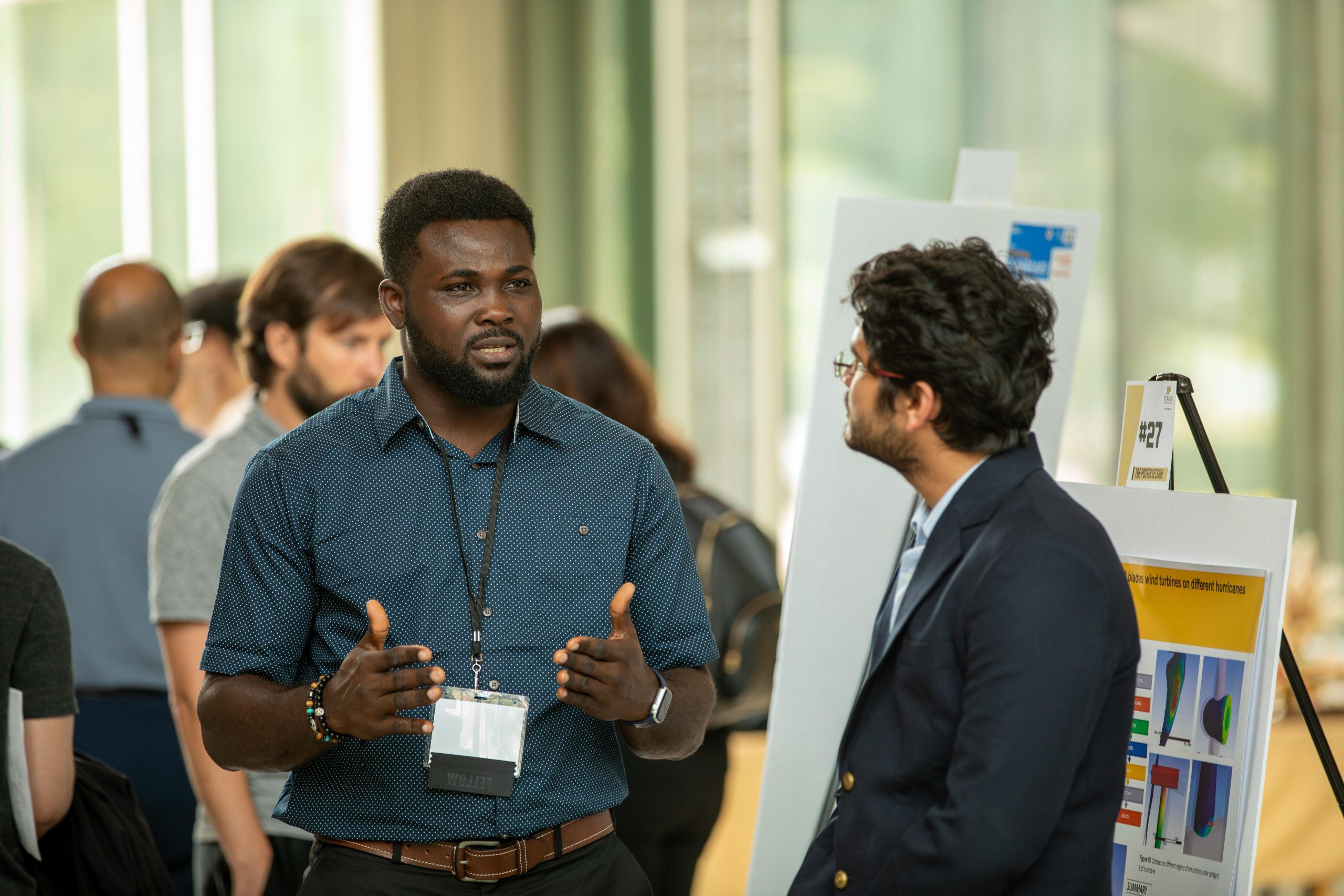
By Rita Okoye
Nigeria’s energy insecurity has quietly evolved into a national emergency, shaping economic performance, social stability, and development outcomes across every sector.
Despite decades of reforms and repeated promises, the country continues to struggle with unreliable electricity supply that falls far short of national demand.
Today, Nigeria generates an average of about 4,000 megawatts for a population exceeding 220 million people. The scale of this deficit becomes clearer in comparison: South Africa produces roughly 58,000 megawatts for less than one-third of Nigeria’s population, while China generates over 2.2 million megawatts to power its industrial economy.
According to engineer and energy researcher Johnson Oluwatuyi Nelson, the problem extends far beyond power plants and transmission lines. He argues that Nigeria’s electricity crisis is rooted in deeper structural failures that have remained unresolved for decades.
“Beyond the visible failures lies a more troubling issue,” Nelson said. “Nigeria is not training the engineers required to design, operate, and sustain a modern, resilient power system.”
He identified policy inconsistency as one of the most damaging obstacles undermining the sector. Successive administrations, he noted, frequently discard long-term energy plans in favor of short-term political agendas, disrupting continuity and weakening institutional accountability.
“Nigeria doesn’t really have a policy problem,” Nelson observed. “We have a policy obedience problem. Plans are written, but they are rarely followed through.”
Equally concerning, he said, is the widening knowledge gap within the country’s engineering education system. Many university curricula, he explained, have failed to keep pace with global advances in renewable energy, smart grids, cybersecurity, and climate-resilient power infrastructure.
As a result, large numbers of engineering graduates enter the workforce equipped for an outdated power sector that no longer exists. “We are preparing students for the electricity challenges of the 1980s in a world that now runs on data, automation, and decentralised energy systems,” Nelson said.
This disconnect, he warned, has far-reaching consequences beyond poor electricity supply. Inadequate power access, he noted, correlates strongly with rising unemployment, economic stagnation, and insecurity, particularly in vulnerable communities.
“When electricity systems fail, institutions weaken,” Nelson said. “You see the effects in healthcare, education, manufacturing, and even national security.”
He further argued that without modern engineering expertise, investments in power plants, transmission infrastructure, and renewable-energy projects will continue to underperform, regardless of funding levels. “Technology without competence is wasted capital,” he said.
To reverse the trend, Nelson called for a comprehensive and deliberate transformation of Nigeria’s energy knowledge ecosystem. He stressed the urgent need to modernize engineering curricula and align university training with national energy priorities.
He also advocated upgrading laboratories, retraining faculty, establishing regional research hubs, and creating stronger links between academia, industry, and policymakers to ensure that innovation translates into real-world impact.
According to Nelson, Nigeria already possesses the natural resources and human capital needed to lead Africa’s clean-energy transition. “We have sunlight, wind, hydropower, and talent,” he said. “What we lack is disciplined planning and sustained investment in knowledge.”
Ultimately, he maintained that Nigeria’s electricity challenge is not merely about increasing megawatts. “The future of our power sector,” Nelson concluded, “depends on the engineers we choose to train and the systems we choose to build around them.”